


LFP batteries are becoming more common in business, industrial, energy storage, and transportation applications. They are valued for stability, long service life, and practical performance, especially in systems where safety and durability matter.
But like any battery, an LFP battery eventually reaches the end of its useful life. When that happens, it should not be treated like ordinary waste. LFP battery recycling helps businesses manage lithium iron phosphate batteries through a proper recycling process instead of leaving them in storage, mixing them with general scrap, or sending them into the wrong disposal stream.
- What Is LFP Battery Recycling?
- Why LFP Battery Recycling Matters
- How LFP Batteries Work and What They Are Made Of
- How LFP Battery Recycling Works
- Step 1: Identify the Battery Type
- Step 2: Separate and Sort the Batteries
- Step 3: Check for Damage
- Step 4: Prepare for Proper Handling and Pickup
- Step 5: Processing and Material Recovery
- The Main Benefits of LFP Battery Recycling
- It Supports Responsible Battery Management
- It Helps Manage Bulk Battery Loads
- It Keeps Batteries Out of General Waste
- It Supports Material Recovery
- The Main Challenges of LFP Battery Recycling
- LFP Batteries Can Be Large and Heavy
- They May Be Built Into Larger Systems
- They Must Be Properly Identified
- Damaged Batteries Need Extra Care
- Common Uses for LFP Batteries
- Why Businesses Need Proper Recycling or Disposal for LFP Batteries
- How LFP Batteries Compare to Similar Batteries
- LFP Batteries vs NMC Batteries
- LFP Batteries vs Lead Acid Batteries
- LFP Batteries vs Standard Lithium-Ion Batteries
- When LFP Battery Recycling Is the Right Fit
- When LFP Battery Recycling May Need Extra Planning
- How Battery Recycling & Solutions Helps With LFP Battery Recycling
- Frequently Asked Questions About LFP Battery Recycling
- What is LFP battery recycling?
- What does LFP stand for in batteries?
- Can LFP batteries be recycled?
- Are LFP batteries lithium-ion batteries?
- Why do LFP batteries need proper handling?
- How should businesses dispose of LFP batteries?
- Does Battery Recycling & Solutions recycle LFP batteries?
- Conclusion
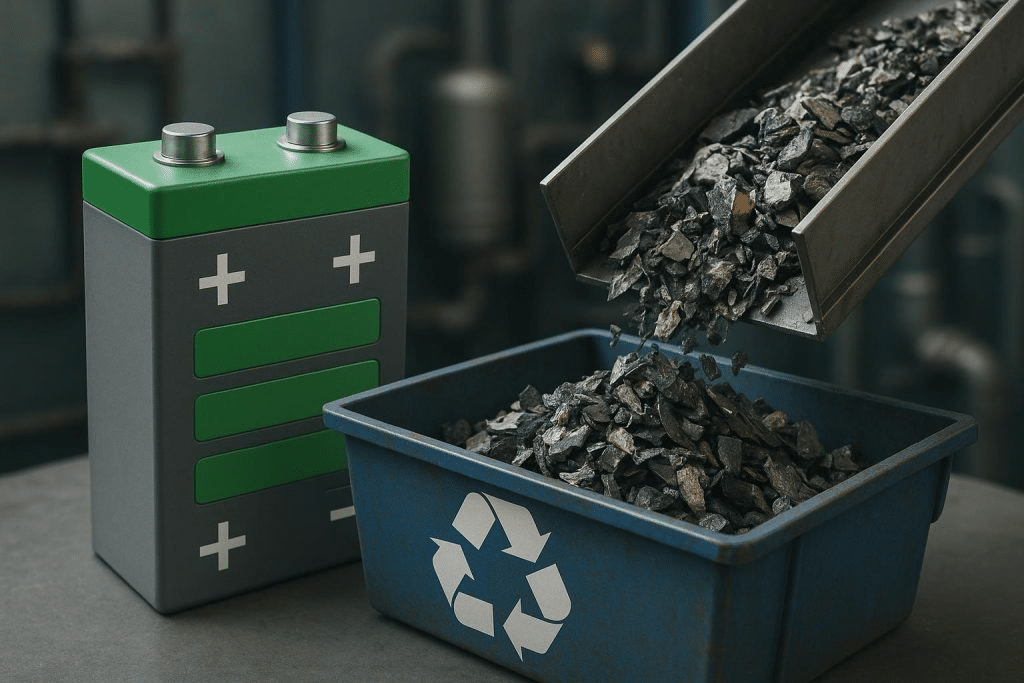
Battery Recycling & Solutions helps businesses identify, sort, collect, and recycle LFP batteries through an approved recycling process built for commercial battery recycling and bulk battery loads.
What Is LFP Battery Recycling?
LFP battery recycling is the process of collecting, sorting, handling, and processing lithium iron phosphate batteries at the end of their useful life.
In simple terms, LFP battery recycling means taking used, damaged, or unwanted lithium iron phosphate batteries and sending them through the right battery recycling process.
LFP battery recycling usually involves:
- Identifying the battery chemistry
- Separating LFP batteries from general waste
- Checking batteries for damage or swelling
- Sorting batteries by size, format, and condition
- Preparing batteries for proper storage and transportation
- Sending them to an approved recycling process
LFP stands for lithium iron phosphate. These batteries are part of the larger lithium-ion battery family, but they use a different cathode chemistry than many other lithium-ion batteries. That chemistry affects how they perform, where they are used, and how they should be handled at end of life.
Why LFP Battery Recycling Matters
LFP batteries are often used in systems that run hard and last a long time. You may find them in solar battery storage, electric vehicles, backup power systems, industrial equipment, telecom systems, and commercial energy storage projects.
Because these batteries can be large, heavy, and valuable to the equipment they support, they are not always easy to manage when they fail or are replaced.
For businesses, LFP battery recycling matters because it helps:
- Keep lithium batteries out of regular trash
- Reduce clutter from old or failed battery packs
- Support responsible battery recycling
- Improve battery sorting and storage practices
- Manage bulk battery loads more efficiently
- Reduce the risk of improper handling
LFP batteries are known for being stable compared to some other lithium-ion chemistries, but that does not mean they can be ignored. Damaged, aging, or improperly stored batteries still need proper handling.
How LFP Batteries Work and What They Are Made Of
An LFP battery is a type of rechargeable lithium-ion battery. During charging and discharging, lithium ions move between internal battery materials to store and release energy.
The key difference is the cathode material. LFP batteries use lithium iron phosphate as the cathode. This is what gives them many of their well-known strengths, including thermal stability, long cycle life, and reliable performance in demanding applications.
An LFP battery may contain:
- Lithium iron phosphate cathode material
- Graphite or carbon-based anode material
- Electrolyte
- Separator material
- Copper and aluminum current collectors
- Steel or aluminum casing
- Plastic housing
- Wiring and terminals
- Battery management system components in larger packs
These parts are one reason battery recycling matters. An LFP battery is not just one material. It is a complete energy storage product made from metals, plastics, electronics, and chemical components that need to be handled correctly.
How LFP Battery Recycling Works
LFP battery recycling starts before the battery ever reaches a processor. The first step is proper identification.
Step 1: Identify the Battery Type
Businesses should first confirm whether the battery is LFP, lithium-ion, lead acid, nickel-cadmium, alkaline, or another chemistry.
Some batteries may be clearly labeled as LFP, LiFePO4, lithium iron phosphate, or lithium ferrous phosphate. Others may be part of a battery pack or device and may require closer review.
Correct identification matters because different battery chemistries may follow different handling and recycling paths.
Step 2: Separate and Sort the Batteries
After identification, LFP batteries should be separated from general waste and other battery types when possible.
Sorting may be based on:
- Chemistry
- Size
- Voltage
- Condition
- Device source
- Loose cells versus battery packs
- Damaged versus undamaged batteries
This step helps make the recycling process cleaner and safer for bulk loads.
Step 3: Check for Damage
Before pickup or transport, batteries should be checked for visible damage.
Signs of concern may include:
- Swelling
- Cracking
- Burn marks
- Leaking
- Exposed wires
- Broken casing
- Unusual heat
- Physical crushing or punctures
Damaged LFP batteries should be separated and handled with extra care. Businesses should not mix damaged batteries into general collection containers without guidance.
Step 4: Prepare for Proper Handling and Pickup
LFP batteries need to be stored and prepared properly before they are moved. This may include protecting terminals, keeping batteries from being crushed, separating damaged units, and placing batteries in suitable containers.
For businesses with larger packs or bulk volumes, this step is especially important. A warehouse, solar installer, municipality, or industrial facility may have batteries that require planning before collection.
Step 5: Processing and Material Recovery
Once collected, LFP batteries are sent into a battery recycling process. The exact process depends on the battery type, condition, volume, and recycling method used.
In general, processing may involve dismantling, shredding, separating materials, and recovering usable components where possible. Metals, plastics, casings, and battery materials may be separated into different streams.
LFP batteries do not always have the same material value as some lithium batteries that contain cobalt or nickel, but recycling is still important. The goal is proper handling, material recovery where practical, and responsible end-of-life management.
The Main Benefits of LFP Battery Recycling
It Supports Responsible Battery Management
LFP battery recycling gives businesses a clear path for handling used or failed batteries. Instead of storing batteries indefinitely or mixing them with scrap, companies can move them into a proper recycling stream.
This is especially useful for operations teams, facility managers, and businesses with multiple locations.
It Helps Manage Bulk Battery Loads
LFP batteries are often used in larger systems. That means end-of-life batteries may not be small or simple to manage.
Commercial battery recycling helps businesses handle larger volumes from solar installations, backup power systems, EV-related equipment, and industrial projects.
It Keeps Batteries Out of General Waste
LFP batteries should not be thrown into ordinary trash. Recycling helps prevent improper disposal and keeps these batteries separated from materials that could crush, puncture, or damage them.
It Supports Material Recovery
LFP batteries may contain recoverable materials such as copper, aluminum, steel, plastics, graphite, and battery-grade materials depending on the recycling process.
Even when the recycling value varies, the proper recycling process is still the responsible option.
The Main Challenges of LFP Battery Recycling
LFP Batteries Can Be Large and Heavy
Some LFP batteries are small cells or packs. Others are large modules used in energy storage, vehicles, or industrial systems.
Large packs may require special planning, equipment, packaging, or pickup coordination.
They May Be Built Into Larger Systems
LFP batteries are often part of solar storage systems, backup power units, telecom systems, and commercial equipment. In some cases, batteries need to be removed from the system before recycling.
That can make recycling more involved than simply collecting loose batteries.
They Must Be Properly Identified
LFP batteries may look similar to other lithium-ion battery packs. If labels are missing or damaged, sorting can become harder.
For mixed battery loads, proper identification is one of the most important steps.
Damaged Batteries Need Extra Care
Even though LFP batteries are known for strong stability, damaged batteries still require proper handling. Crushed, burned, swollen, leaking, or punctured batteries should be separated and reviewed before pickup.
Common Uses for LFP Batteries
LFP batteries are used in many commercial, industrial, and institutional applications.
Common uses include:
- Solar battery storage systems
- Commercial energy storage systems
- Backup power systems
- Electric vehicles
- Low-speed electric vehicles
- Electric forklifts and warehouse equipment
- Telecom backup systems
- Data center support systems
- Marine and RV battery systems
- Industrial equipment
- Security and emergency power systems
- Municipal equipment
- Renewable energy projects
Because these batteries are used in long-life systems, they may appear during upgrades, replacements, facility cleanouts, equipment failures, or project decommissioning.
Why Businesses Need Proper Recycling or Disposal for LFP Batteries
Businesses should not treat LFP batteries like ordinary trash or mixed scrap. They are lithium-based batteries with stored energy, mixed materials, and specific handling needs.
Proper recycling helps businesses manage:
- Sorting
- Safe storage
- Bulk collection
- Battery pickup
- Damaged battery separation
- Material handling
- Responsible disposal
- Commercial recycling needs
For businesses with multiple battery types, the process starts with separating LFP batteries from lead acid, alkaline, nickel-cadmium, nickel-metal hydride, and other lithium chemistries.
This keeps the recycling process more organized and helps reduce confusion for employees and facility teams.
How LFP Batteries Compare to Similar Batteries
LFP Batteries vs NMC Batteries
NMC batteries use nickel, manganese, and cobalt in the cathode. They are often chosen for applications where energy density and range are important.
LFP batteries are often chosen for stability, long cycle life, and durability. From a recycling standpoint, NMC batteries may contain higher-value metals, while LFP batteries still require proper handling and responsible recycling.
LFP Batteries vs Lead Acid Batteries
Lead acid batteries are commonly used in vehicles, UPS systems, golf carts, and backup power. They are heavy and follow a very different recycling process.
LFP batteries are lighter, lithium-based, and used in many modern energy storage and equipment applications. They should be sorted separately from lead acid batteries.
LFP Batteries vs Standard Lithium-Ion Batteries
LFP is part of the lithium-ion family, but not all lithium-ion batteries are LFP.
Many laptops, phones, and power tools use different lithium-ion chemistries. LFP batteries are often used when long life, stability, and consistent performance matter more than maximum energy density.
When LFP Battery Recycling Is the Right Fit
LFP battery recycling makes sense when a business has lithium iron phosphate batteries that are no longer working, no longer needed, damaged, or being replaced.
It is a strong fit for:
- Solar battery replacement projects
- Commercial energy storage upgrades
- Backup power system removals
- Industrial equipment battery replacements
- Telecom battery cleanouts
- Municipal battery collection programs
- Warehouse equipment battery recycling
- Bulk lithium battery disposal projects
If your organization has end-of-life LFP batteries, recycling is the right next step.
When LFP Battery Recycling May Need Extra Planning
LFP battery recycling may need extra planning when batteries are large, damaged, built into equipment, unlabeled, or part of a mixed battery load.
This does not mean they cannot be recycled. It simply means the collection and handling process should be planned carefully.
Businesses should gather basic information before scheduling recycling, such as battery type, quantity, condition, weight, location, and whether the batteries are loose or still installed in equipment.
How Battery Recycling & Solutions Helps With LFP Battery Recycling
Battery Recycling & Solutions helps businesses manage LFP battery recycling with a focus on proper handling, commercial service, and responsible battery recycling.
The service can help with:
- LFP battery recycling
- Lithium iron phosphate battery recycling
- Commercial battery recycling
- Bulk battery pickup
- Mixed battery sorting
- Damaged battery guidance
- Battery recycling for businesses, municipalities, and facilities
For many organizations, the hardest part is figuring out what type of battery they have and how it should be handled. Battery Recycling & Solutions helps make that process easier by giving businesses a clear path for sorting, pickup, and proper recycling.
Frequently Asked Questions About LFP Battery Recycling
What is LFP battery recycling?
LFP battery recycling is the process of collecting, sorting, and recycling lithium iron phosphate batteries at end of life. It helps businesses manage used or damaged LFP batteries through a proper recycling process.
What does LFP stand for in batteries?
LFP stands for lithium iron phosphate. It refers to the battery’s cathode chemistry and is also commonly written as LiFePO4.
Can LFP batteries be recycled?
Yes. LFP batteries can be recycled through proper battery recycling channels. The process may vary depending on the size, condition, chemistry, and volume of the batteries.
Are LFP batteries lithium-ion batteries?
Yes. LFP batteries are a type of lithium-ion battery. They use lithium iron phosphate chemistry, which makes them different from lithium-ion batteries that use cobalt, nickel, or manganese-based cathodes.
Why do LFP batteries need proper handling?
LFP batteries contain stored energy and mixed materials. Even though they are known for stability, they should not be crushed, punctured, overheated, or mixed with regular trash.
How should businesses dispose of LFP batteries?
Businesses should identify the batteries, separate them from general waste, check for damage, store them properly, and work with a battery recycling provider for pickup and recycling.
Does Battery Recycling & Solutions recycle LFP batteries?
Yes. Battery Recycling & Solutions helps businesses, municipalities, facilities, and commercial generators with LFP battery recycling, bulk battery pickup, sorting, and responsible battery recycling services.
Conclusion
LFP battery recycling is an important part of responsible battery management for businesses using lithium iron phosphate batteries. These batteries are durable, stable, and widely used in energy storage, backup power, industrial equipment, and commercial systems, but they still need proper recycling at end of life.
The process starts with identification, sorting, damage review, safe storage, and commercial battery recycling pickup. From there, LFP batteries can move into an approved recycling process instead of sitting in storage or entering the wrong waste stream.
Battery Recycling & Solutions helps businesses with LFP battery recycling, battery pickup, sorting, and bulk battery management, making it easier to handle lithium iron phosphate batteries the right way.