


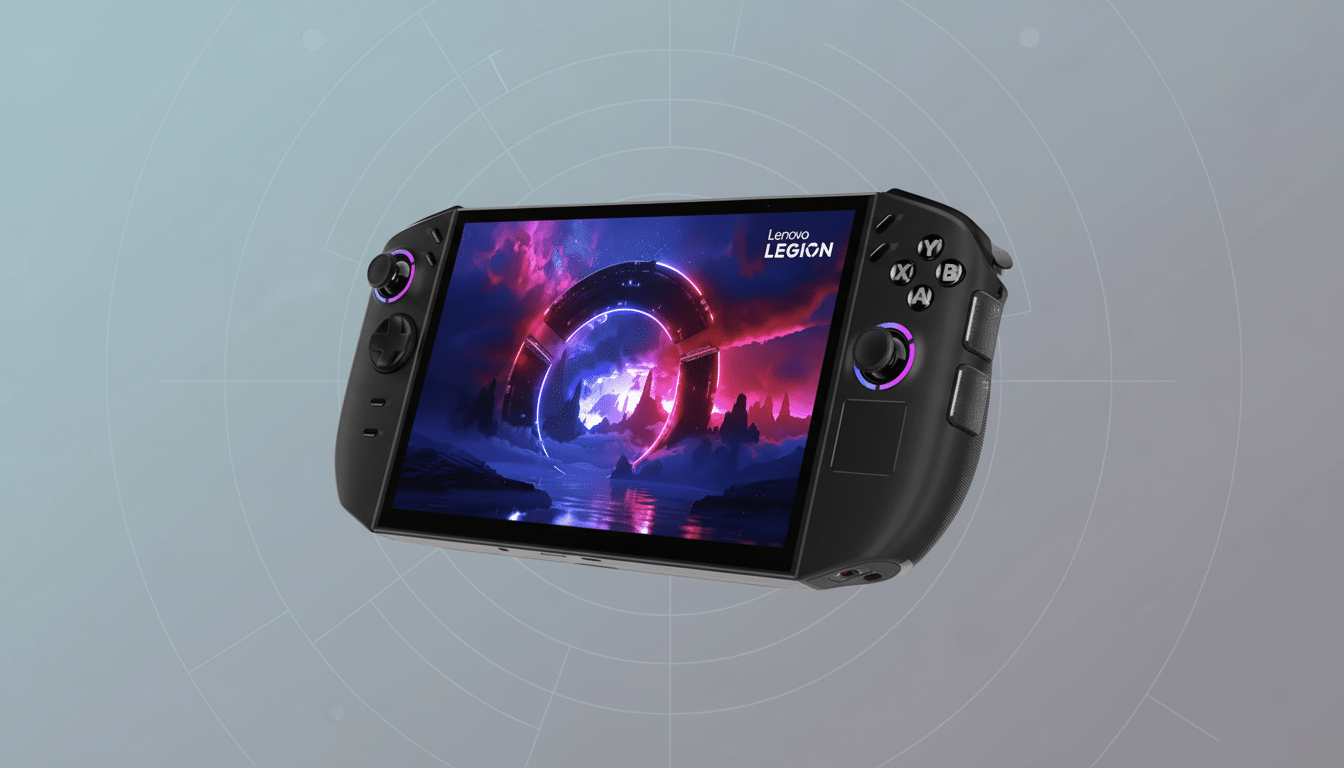
If you’ve been jonesing for a real live Steam Deck 2, a newly leaked version of Lenovo’s Legion Go 2 could finally scratch that itch. Lenovo, if reports from both Windows Latest and supply chain rumblings are accurate, is gearing up the Legion Go 2, which trades in Windows for Valve’s SteamOS to provide a more console-like handheld experience that will (hopefully) eliminate friction that has thwarted Windows-based portables.
SteamOS on a Large OLED Could Turn the Tables
The Legion Go 2 has sounded incredibly promising on the hardware front; however, much like every other Windows handheld, it’s still fighting an operating system that simply wasn’t designed to be on a seven- to nine-inch screen. Lenovo’s hope, if the leak is to be believed, would be to sell a SteamOS version directly on the hardware itself, since Windows’ creaky UI scaling/background services/controller-layer inconsistencies could all get in the way of a purpose-built interface from Valve.
Features such as integrated Big Picture navigation, fast suspend and resume, and a power management stack specifically optimised for handheld APUs come with SteamOS. Reviewers and testers at places like Notebookcheck and GamersNexus have documented in test after test that Linux-based handhelds can commonly get substantially greater battery life, and more consistent frame times, than their equivalent Windows builds—sometimes by double-digit percentages on both metrics depending on the titles and power profiles.
Microsoft’s solution was the Xbox Full Screen Experience with partners such as the ROG Ally line. It’s progress, but it remains predominantly a layer above Windows. That SteamOS path dives deeper: far fewer background processes, more predictable controller support, and a storefront that’s constructed around couch-first navigation. Community projects, such as Bazzite, have already demonstrated that it can be done by creating a SteamOS-like layer that turns Windows handhelds into game consoles—and Lenovo may soon make it all official.
Old Hardware, New Software Soul for Lenovo Legion Go 2
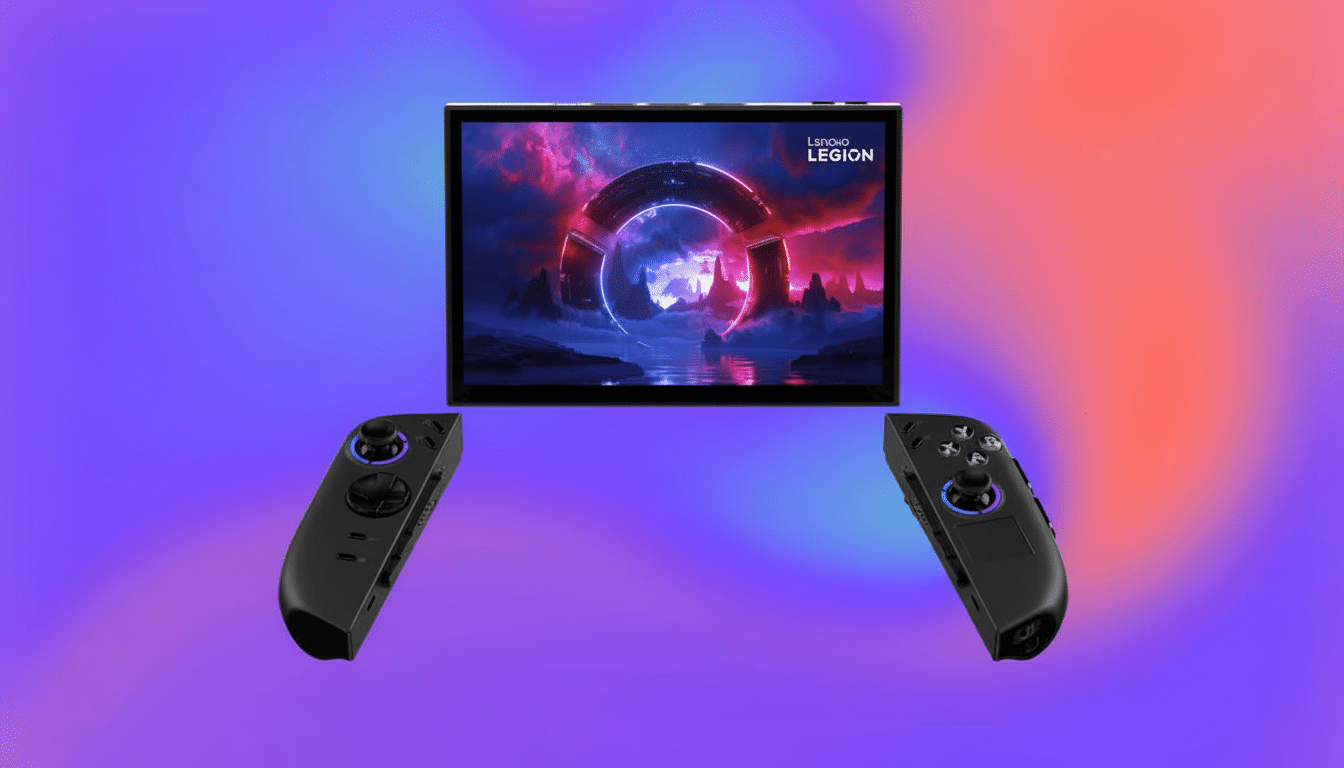
Don’t expect a spec bump. That SteamOS version is rumoured to retain the core platform: an AMD Ryzen Z2 Extreme APU, up to 32GB of LPDDR5X and as much as 2TB of PCIe storage. The headlining display is supposed to still be an 8.8-inch, 144Hz OLED—something that sets the experience apart from competitors whose displays are mostly LCD-based even now.
This is a software pivot, not a new chassis. That’s sensible. In terms of raw throughput, it already beats Valve’s current Steam Deck hardware; we just needed a proper, efficient OS to bring everything together. If Lenovo gets driver support and input integration right with SteamOS, you could feel like the Go 2 was made for gaming more than as a baby PC.
A Credible Stand-In for a Steam Deck Sequel
Valve has overtly stated that a real Deck follow-up will sit on ice until a significant jump in performance per watt is available, in interviews with The Verge and PC Gamer. In the meantime, AMD’s Z-series APUs have demonstrated real performance advantages over the Deck’s special chip. We’ve seen 50 per cent-plus performance uplifts from closely related silicon in competing handhelds at like-for-like settings in many games, particularly at the 720p to 800p level.
That crazy-high horsepower combined with SteamOS is the perfect bridge for players who are looking to enjoy the simplicity of the Deck paired with higher frame rates and more impressive graphics. Proton makes it possible to enjoy many AA/AAA Windows games natively on Linux, and ProtonDB’s member reports have seen over 25,000 games confirmed as working through its verification system used by the community. There are still edge cases, but the difference has lessened significantly.
What to Watch Before You Buy a SteamOS Legion Go 2
Three questions loom large. First of all, pricing: a SteamOS model may help you skirt the OS licensing fee, but don’t count on there not being labour involved in driver work and support. The second part is updates, of course; Lenovo will require a good, solid update pipeline for kernel, Mesa and firmware in order to keep up when new games come out as well as security fixes. And third, migration: don’t expect an official method for swapping existing Windows-based Legion Go 2 systems over to SteamOS, though enthusiasts can and do flash community builds.
Market context matters too. Recent Steam Hardware Survey data generally has Linux representing 1%–2% of active users, but handheld momentum is bumping that share during high-profile releases. If Lenovo can get a polished SteamOS handheld out the door with the Go 2’s display and APU in it, that thing could end up being an easy recommendation by default for folks who want all of the Deck’s living-room-friendly simplicity, but with more playability against today’s AAA games.
The bottom line: Assuming the leak holds, Lenovo isn’t just throwing another SKU at the problem—it’s betting that the direction of travel for handheld PC gaming is less “shrunken laptop” and more, well, console.
This may be the most compelling stopgap yet for anyone holding out for a Steam Deck 2.