


At the convention here organized by CES in Las Vegas, Lenovo’s top executive, Yang Yuanqing, had a message for anybody skittish about artificial intelligence: “Nobody can avoid it.” The comment was made as Lenovo introduced a raft of AI-first products, including a cross-device personal assistant named Qira and concept wearables that push on-device intelligence into the lives of consumers.
Yang’s stance is hardly an empty slogan: It reflects pragmatic judgment about the direction in which the industry is moving. Lenovo is banking on personal AI becoming as core a part of computing as the internet or smartphone, and it’s building around that premise with software, devices and relationships that take AI out of mere cloud processing and infuse it right beside you.
Why Lenovo Believes A.I. Is Inevitable for Computing
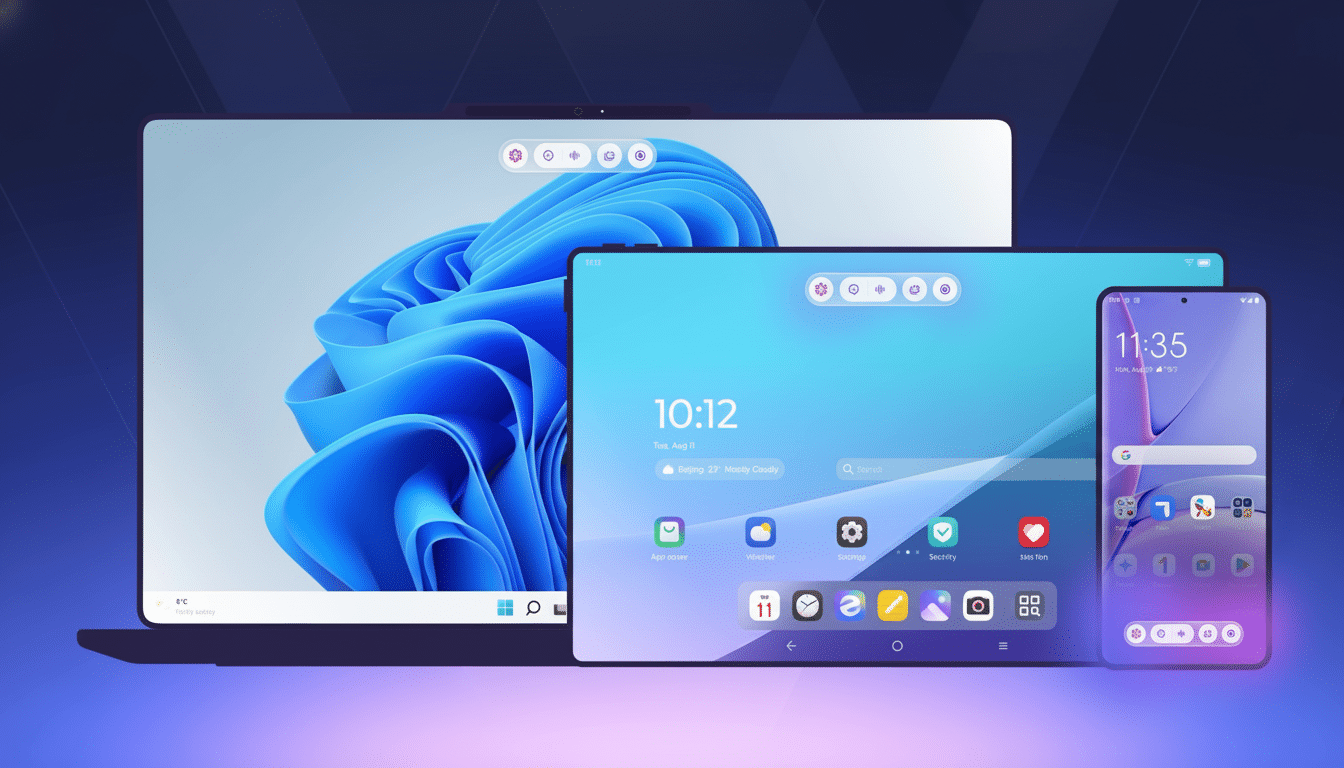
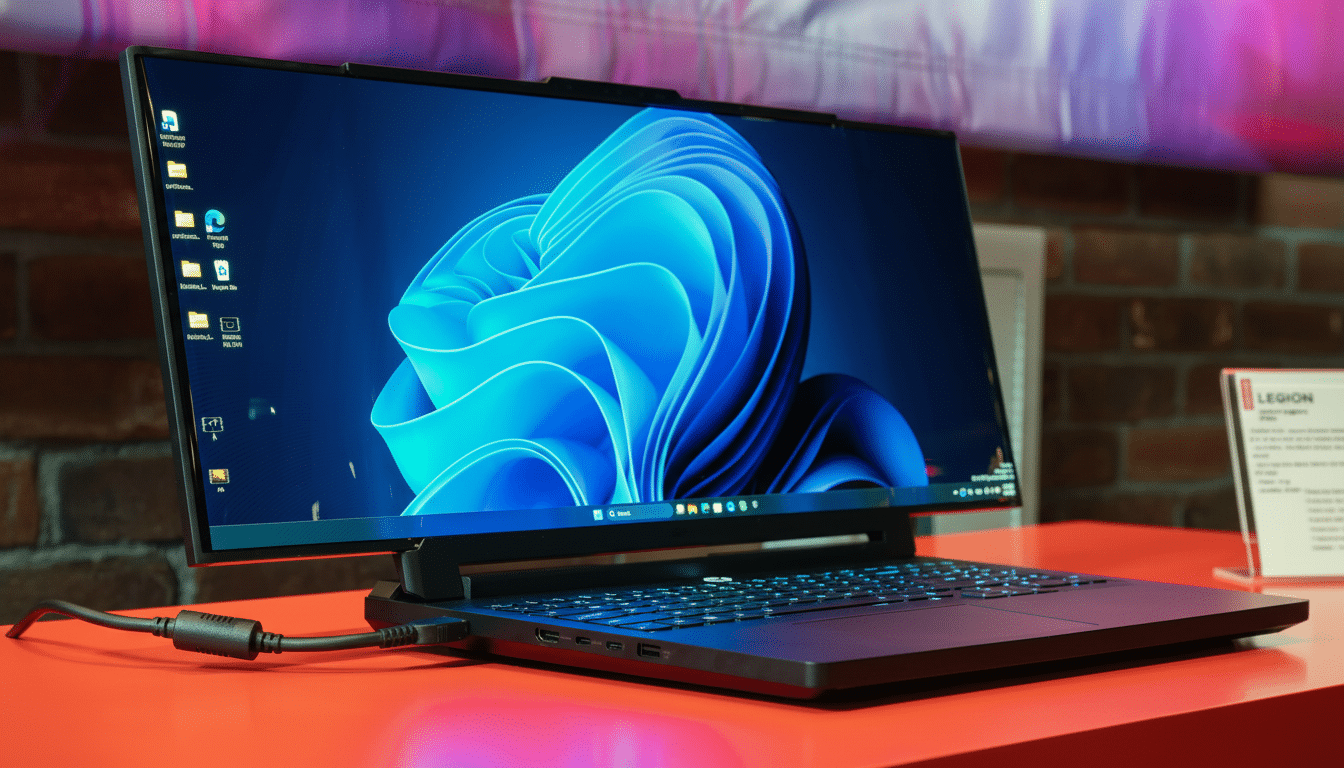
Qira is made to follow a user throughout Lenovo and Motorola hardware, understanding context and managing tasks that jump from phone to PC to smart display. The company also teased AI-first laptops and a prototype wearable that senses what it sees and hears to predict your needs. The throughline is on-device processing via neural processing units, which offer the potential for lower latency, better privacy and longer battery life over cloud-only assistants.
Yang is presenting AI as augmentation, not substitution. “A.I. is not going to replace you, it’s going to enable you,” he added in an echo of a larger trend as manufacturers re-architect operating systems, search engines and productivity apps around generative and multimodal models. From noise-canceling calls that transcribe and summarize in real time to photo tools that process scenes, not pixels, AI capabilities are quickly becoming table stakes in high-end devices.
Guardrails and Governance Upstaged in the AI Rush
Rapid deployment must be accompanied by responsible development, said Tolga Kurtoglu, Lenovo’s chief technology officer. He noted that internal guardrails and a rigorous privacy-focused process also aligned with emerging standards for such systems, like the NIST AI Risk Management Framework and ISO/IEC 42001 on AI management systems as well as regulatory regimes, such as the EU’s AI Act.
What this means in practice:
- More on-device inference
- More explicit opt-ins
- Enterprise-grade controls for model provenance and data handling
Market Signals Encourage the CEO’s Wager
Analysts expect a multiyear refresh cycle as “AI PCs” become the norm. By 2027, it is estimated that AI-capable devices will represent a majority of shipments, fueled by new software experiences which demand NPUs in order to deliver on what matters most to consumers. Inside the enterprise, McKinsey’s State of AI research has found that over half of companies are now using AI in at least one business function, and generative tools have moved from pilots to production workloads at faster rates.
At the same time, the economic underpinning of AI remains huge. PwC projects, for instance, that AI could add as much as $15.7T to global GDP by 2030, a number that—debatable though it may be—explains why basically every tech giant on the planet is reworking its product roadmap around machine intelligence. Device manufacturers are witnessing a surge in demand for A.I.-ready components, and software developers are racing to bundle copilots into productivity, design and customer service tools.
Addressing the Skeptics on AI in Everyday Devices
There are good reasons to be cautious. Consumers wonder if they really need an “AI” fridge or washing machine — and fret about what it means for devices to always be listening, or watching. Lenovo’s response centers around control and visibility: preserve sensitive operations whenever they can on-device, expose permissions and data flows explicitly, ensure strong offline spokespersons. For organizations, that translates to audit trails, policy-based access and the ability to bring proprietary data to models without exposing it elsewhere through shared training pipelines.
There are also warnings of an AI investment bubble. Yang disagreed, arguing that demand is only just beginning as personal assistants grow up and companies sift through them to create knowledge. The distinction from past hype cycles, he said, is that today’s AI is already baked into workflows and hardware — rather than a speculative add-on waiting for a use case.
What Qira and AI Hardware Could Do Across Devices
If Lenovo’s vision comes to fruition, voice assistants such as Qira will evolve from being simple voice-command interfaces to being always-on, multimodal services. Consider making a phone call in a ride share, having your laptop write down the transcript as you work from your computer and instructing your PC to automatically craft follow-ups based on your files and calendar — without sending data across the internet. In education, that might be tutoring that recognizes a student’s learning across devices; in field work, maybe it is hands-free guidance that adjusts on the fly.
The benefit for users is ease and speed. The burden on vendors is to ensure that convenience is safe and predictable — and that you don’t actually have to live with it. The leader of one such company, at least, is betting the company’s business model in favor of both — making the case that AI ubiquity isn’t just possible but inevitable, and that the victors will be those who succeed in engendering trust while providing real-life daily value.