


The highly anticipated OnePlus 15 leak might be on the cards. New teasers from OPPO’s premium range seem to follow similar design cues seen in those early OnePlus images, hinting that the next OnePlus flagship may also sport a daring new form factor born out of the group’s shared hardware DNA.
OPPO’s Find X9 teasers suggest a common design language
OPPO has teased the Find X9 series, and it’s starting to catch our attention: a square, raised camera island featuring an inverted L-shaped triple-lens array and smaller auxiliary sensors banked on either side of it. That layout lines up well with the leaked OnePlus 15 photos reportedly making the rounds in fan circles. OPPO representative Zhou Yibao also unveiled titanium-looking finishes that go with colorways purportedly for the OnePlus 15.
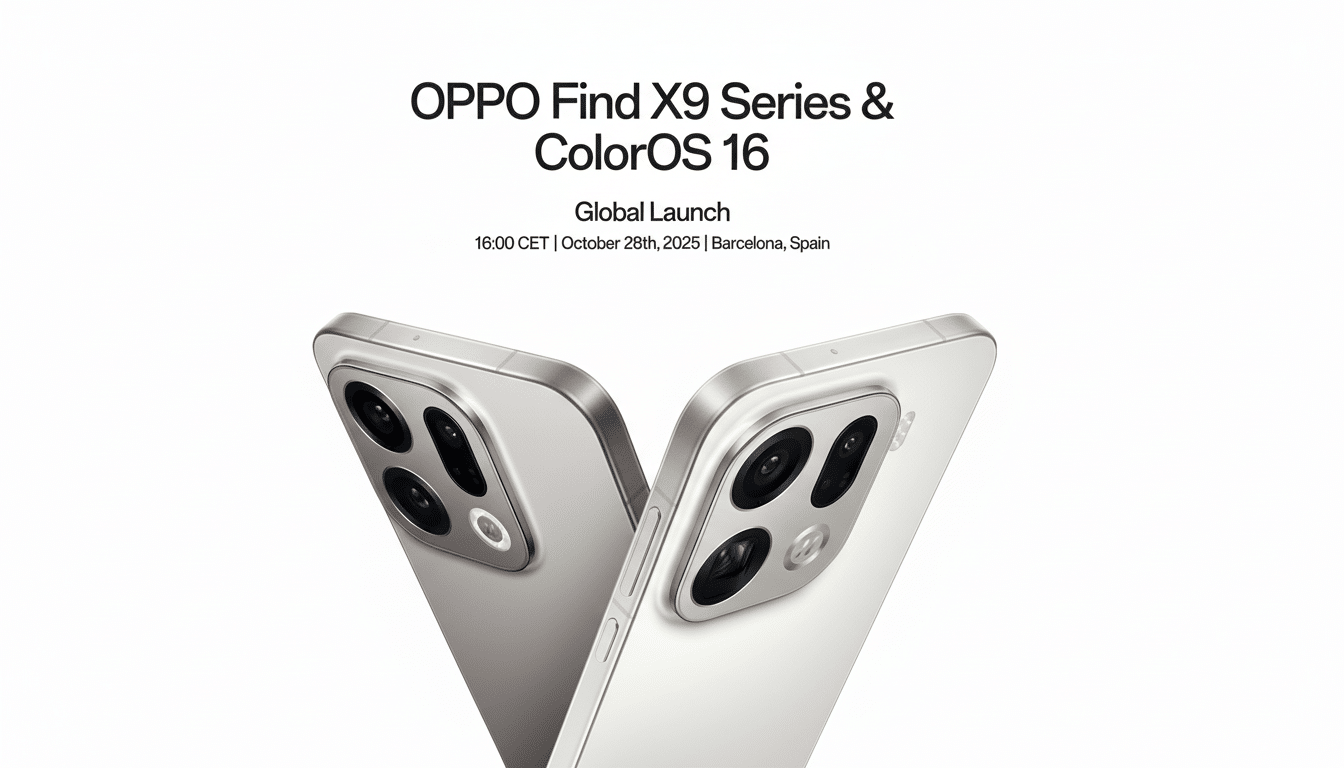
Stuff like this isn’t new (cross-company convergence, I mean). Ever since OnePlus and OPPO merged R&D together under the OPLUS banner, we’ve seen coordinated platform decisions and a shared chassis basis. The most recent and obvious example is the OPPO Find N3 and OnePlus Open, which shipped with a near-identical hardware package but were tailored to different markets. There’s good reason to believe a flagship slab will take the same approach.
Camera bump rethink: more form, less froufrou
There’s function to the square camera island. A squared platform, on the other hand, would free up space for heat dissipation, sensor placement, and periscope packaging relative to the circular modules OnePlus has used for recent flagships. The darkened profile of OPPO’s reveal does seem to make out a primary camera, a periscope telephoto, and a secondary module in that space-saving inverted L shape, with two smaller cutouts to contain laser autofocus, spectral sensors, or a flicker detector.
Leaks have suggested a high-resolution periscope telephoto lens — as much as even chatter about a 200MP sensor — but exact details are still unconfirmed for either model. One interesting difference: OPPO’s preview keeps the Hasselblad branding, and its parent company has stated publicly it is “transitioning to an in-house-developed imaging code-named Moon” from a system code-named Mars that had been a collaboration within the group. That would represent a change in strategy from co-branding to vertically integrated camera processing that could also lead to more tightly aligned firmware across OPPO and OnePlus products.
Titanium hues and enormous batteries set expectations high
Materials and finishes are another tell. OPPO has been flaunting titanium-esque colors for the Find X9 series, coinciding with the rumored palette for OnePlus’s next flagship. Even if the alloys are different — true titanium frames don’t come cheap — coordinating color treatments can be a sign of joint supplier pipelines and a common design brief.
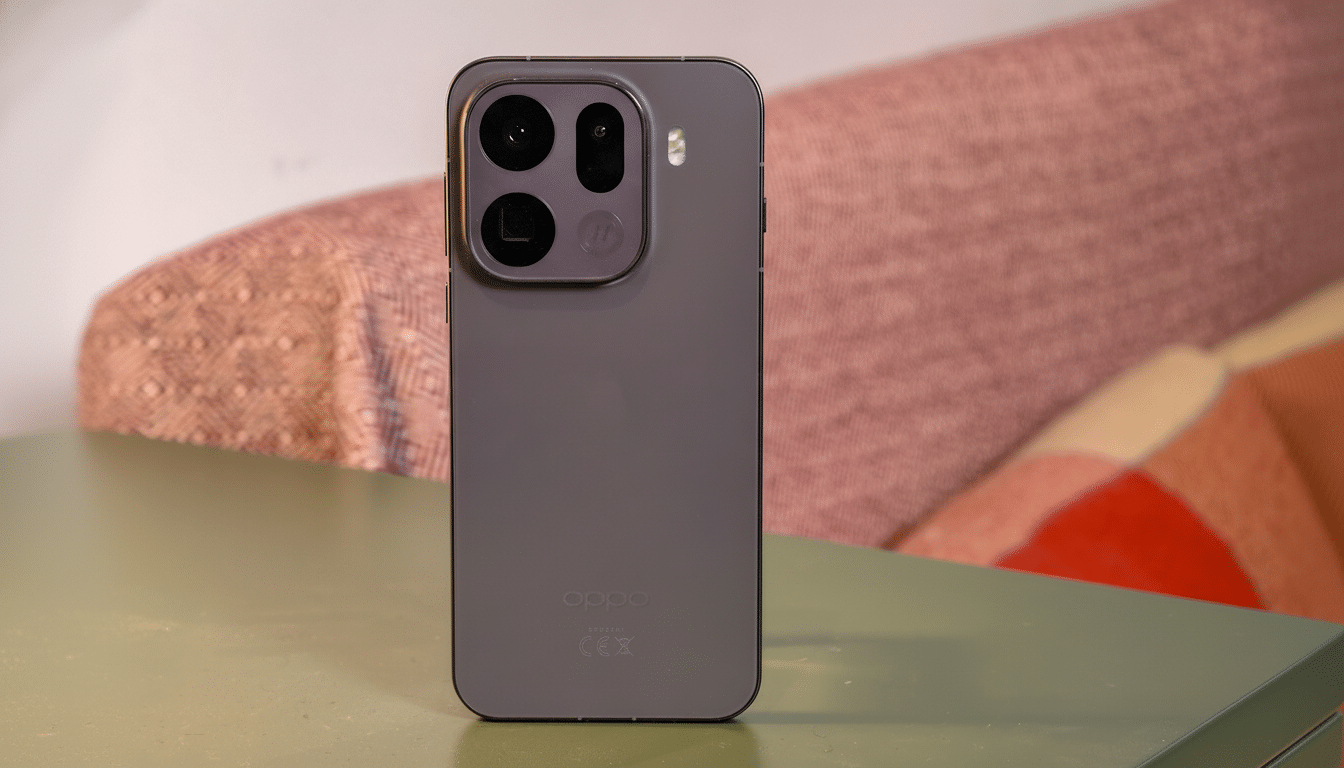
Where endurance is concerned, OPPO’s teasers list impressive numbers: 7,025mAh for the Find X9 and 7,500mAh for the Find X9 Pro. If that’s anything to go by, the OnePlus 15 could deliver a revolution in terms of battery life compared to last year’s models. That being said, regional restrictions, part availability, and target weights may result in different pack sizes outside of China. Fast charging will be a major theme there, as OnePlus at times has provided triple-digit-watt power in a few markets, and that would make sense to fully match OPPO’s flagships.
Software alignment: ColorOS in China, OxygenOS elsewhere
OnePlus has already confirmed that its China-exclusive flagship will be released with ColorOS 16, which is built on Android 16. “We are going to see a more unified codebase with OxygenOS 16, and we will still have the nice gestures, launcher behaviors, but benefiting from the system optimization on ColorOS.” The shared base generally speeds updates and enables deeper camera feature parity between brands.
Why the leak now appears credible and consistent
Read the pieces, and a picture’s becoming clearer: OPPO’s official imagery backs up these reports for what to expect from the OnePlus 15 — square island, three-camera setup, premium metallic finishes. Past form supports it as well; when OPPO and OnePlus align industrial design, the alignment tends to stretch over an entire generation rather than just a single model. And as both brands will surely want to vindicate the respective imaging improvements and battery life gains each has in store, a shared hardware platform is actually strategically sound — fine-grained tuning aside.
There are still open questions. The camera sensors themselves, whether the periscope resolution rumors are legitimate, and just how large a battery OnePlus makes available beyond China all remain to be seen. But the trend line is clear: that leaked OnePlus 15 design isn’t an outlier anymore — it matches the official direction OPPO has flagged in its flagship teasers.
History shows that this next wave of teasers will firm up the imaging stack, charging specs, and material details. The bottom line, for now: the most conservative conclusion is the most exciting: OnePlus looks on course to launch a slicker, more focused camera experience coupled with bigger batteries and uniform software under one OPLUS roof.