


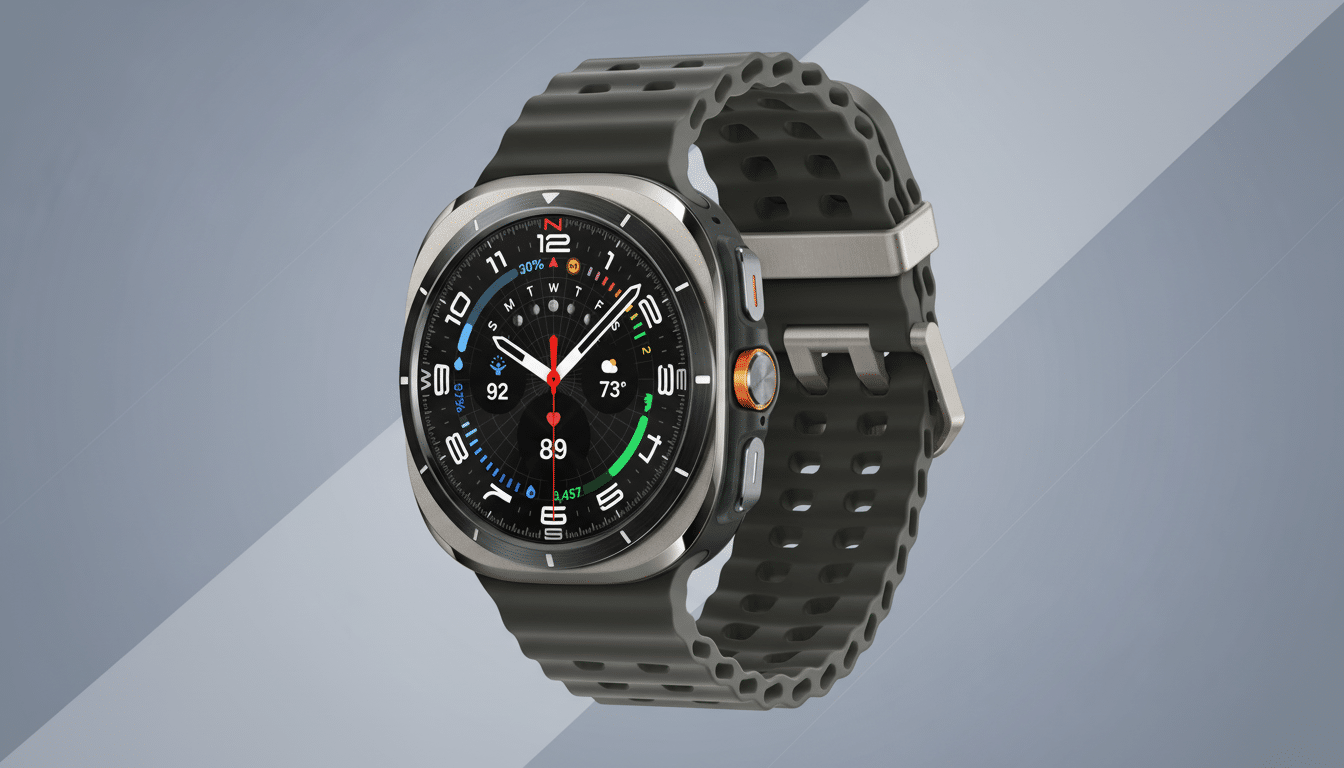
A new leak has given some credence to the idea that Samsung is ready and waiting with a Galaxy Watch Ultra 2 this summer, which should kick off the biggest premium smartwatch clash of the year on the built-for-toughness, hard-nosed endurance tier.
The report also notes the device will be “developed with” the next mainline Galaxy Watch, suggesting it may have shared underpinnings and a joint release with Samsung’s upcoming wave of foldables.
What the leak reveals about Samsung’s upcoming watches
It’s by Dutch outlet GalaxyClub and alleges that Samsung has begun work on the follow-up to its Ultra as well as the next in line Galaxy Watch 9. The project is referred to internally as “Galaxy Watch 9 Ultra,” but this is likely a placeholder and not a marketing label. The development cadence that’s been reported is said to be similar to Samsung’s typical cycle that arrives late and results in a launch around midyear — roughly when we see new Galaxy Z foldables.
The inference is plain: The Ultra line isn’t a one-shot experiment. Samsung looks like it’s going all in on a second-generation Ultra, which could keep the brand’s heaviest-duty watch in rotation and provide an incremental upgrade path for power users, athletes, and outdoorsy types.
Why the reported summer timing for Ultra 2 matters
A midyear release window also keeps Samsung’s wearables front of mind during one of its biggest hardware beats, one in which foldable devices usually dominate the coverage. That cross-category momentum matters. Counterpoint Research estimates Apple has about a third of the world’s smartwatch shipments, and Samsung typically competes for second by relying on ecosystem pull across phones, earbuds, rings, and watches. Placing an Ultra refresher in that same launch phase, alongside new phones and foldables, maximizes that network effect.
Strategically, debuting a summer Ultra will mean Samsung has the space before the fall, when rival platforms often renew their offer. It allows Samsung to put the emphasis on season-long narratives about durability, battery life, and pro-grade features — the exact same tentpoles that separated the first Ultra from Apple’s own rugged flagship.
What upgrades are plausible for a second-gen Ultra 2
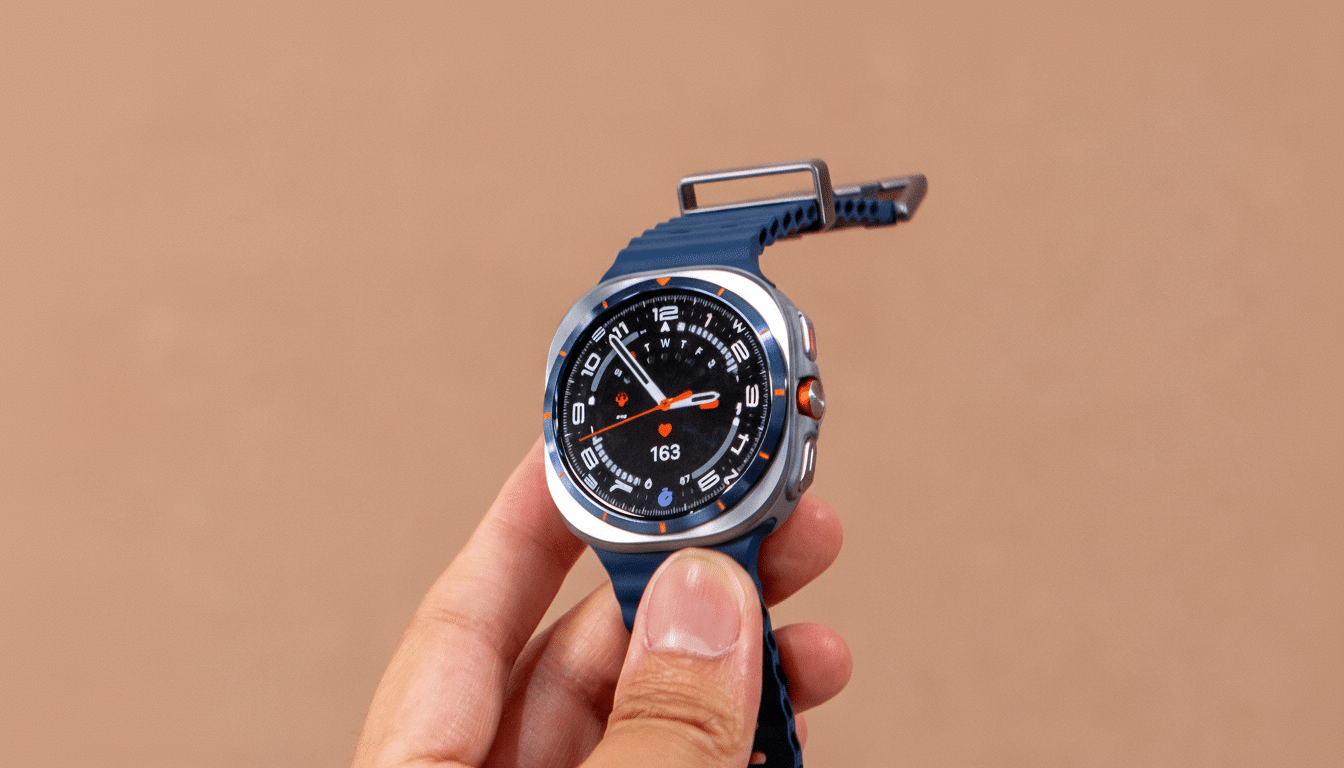
Although we haven’t seen any concrete specs, the obvious targets are performance, battery life, and health accuracy. The current Ultra already offers a screen that’s bright in the 3,000-nit range (5x brighter than the first-gen), multi-day battery life potential on ultra-conservative settings, dual-frequency GPS for improved tracking in cities and mountains, a depth sensor detecting how hard you’re pushing/going to assist with hydration/nutrition strategy, and — if I haven’t mentioned it — the strongest titanium case construction. Iteration, in this case, could appear as more efficient processors and brains for always-on tasks, and a larger or denser battery without added size.
On health, look for pressure on Samsung to innovate in both hardware and algorithms. Athletes and wellness users would be drawn to enhanced optical and electrical sensors, improved skin temperature stability, and sturdier irregular rhythm detection. Many localized feature rollouts are pegged to regulatory clearances, though, so broader availability of medically adjacent tools (such as blood pressure calibration support) would be a big win.
Durability is another likely focus. The current Ultra already boasts 10ATM water resistance and being MIL-STD-rated tough. A stronger sapphire lens, polished crown and button guards (or not, for that matter), or a new strap system oriented specifically toward endurance sports would keep it Ultra without scrapping the design.
How It Fits Samsung’s Wearables Playbook
Samsung broadened its portfolio with the Ultra to directly reach into the premium adventure segment, a space where average selling prices are higher and loyalty is stickier. Market watchers at IDC have also observed that this wearables growth is now found in pricey devices with long replacement cycles, which means brands need to bring real year-over-year improvements, not just cosmetic ones.
With that in mind, pairing the Ultra 2’s platform with a next-gen Galaxy Watch does add up. Shared silicon and software stacks also give Samsung a development shortcut that helps it deliver systemwide features — think offline maps for use with Galaxy phones, deeper training metrics in Samsung Health, or tighter integration with Galaxy Ring so recovery scores and sleep insights appear. Where the Ultra gets to justify its tier, then, is in upgraded durability and battery life (as well as things like advanced navigation).
What to watch next as rumors build toward the launch
Component hints in certification databases, early supply chain chatter around display and battery modules, and trademark filings are the next set of breadcrumbs to keep an eye on. The most substantial clue that we could get about real improvements will come in the form of a new Exynos W-series chip or updated health sensor package. Also be on the lookout for whispers of chest-strap interoperability, precision dual-frequency GPS improvements, or new endurance training modes — things that would appeal to the Ultra’s target audience.
For now, the takeaway is this much is clear: credible reporting points toward a summer window for Samsung’s next rugged flagship watch, developed in tandem with the company’s next mainstream model and probably timed to coincide with new foldables. Pair real endurance upgrades with smarter health and navigation, and Samsung’s got a big hitter on its hands.