


A new leak indicates that Apple’s upcoming AirTag is about to get right back ahead of Android-compatible tracking devices with smarter pairing, sharper Precision Finding, richer battery diagnostics, and motion‑aware tracking.
The feature was discovered in a leak of an internal iOS build on Monday and reported by Macworld, suggesting that Apple is readying a suite of features aimed at day‑to‑day reliability concerns while squashing headaches, such as finding items when they’re on the move or in noisy places.
What the leak reveals about AirTag 2 features and upgrades
The code suggests a simplified pairing flow, which, even though the devices are already easy to set up, could also mean less mispairing (helpful for families all using multiple trackers). Enhanced Precision Finding is also mentioned, presumably combining Ultra Wideband radio in the tracker with refined algorithms to offer even more precise directions.
Two upgrades stand out. The first is more detailed battery support. Today’s trackers frequently provide an ambiguous “low” warning; Apple seems to be embracing a clearer state‑of‑charge readout. This is trickier than it sounds: coin cells have a flat discharge curve, and under‑load voltage sag can hide true capacity. A better estimator might factor in load compensation and impedance cues to paint a more realistic picture—useful for not running out of juice when you can least afford it.
Next is a feature referred to internally as “Improved Moving,” which hopes to still keep a lock on an AirTag while it’s in motion. Keeping tabs on moving things is tricky since signal strength and time‑of‑flight readings vary as distance, orientation, and reflections change constantly. “If they’ve optimized the sampling windows and filtering for specific motion,” he said, “this could potentially make it much more reliable to detect a bag being placed on an airport carousel or a bike rolling down the street.”
The build also addresses updates for densely populated environments where Bluetooth and UWB multipath can affect accuracy. Look for improved device‑to‑device coordination between nearby iPhones to help stabilize direction and distance readings while countless signals bounce around.
How this compares to Android trackers and rival networks
Android‑compatible trackers have closed the gap a lot this past year. The most recent Chipolo One Point and Pebblebee Clip, which connect to Google’s Find My Device network, deliver detailed alerts and wide coverage when nearby Android phones join in. Samsung’s SmartTag 2 and its standalone SmartThings Find network get Galaxy users strong location reporting.
But two regions continue to divide ecosystems: network density and UWB implementation. Apple’s Find My network benefits from a huge installed base — Apple has revealed that it has more than 2 billion active devices — which means that the statistical likelihood is high for a lost tag being close to a listening device. Google’s network is expanding rapidly, but it’s based on opt‑in and participation rates differ from area to area. In practice, that means AirTags tend to pop up more quickly in crowded urban areas.
Battery visibility is another differentiator. Most of the Android trackers still only show a rough battery level. If AirTag 2 comes in a way that makes battery analytics matter, it’s a new bar the rivals will also have to live up to. And if motion‑optimized tracking does prove to be reliable, well, that’s a quality‑of‑life increase others haven’t quite cracked en masse.
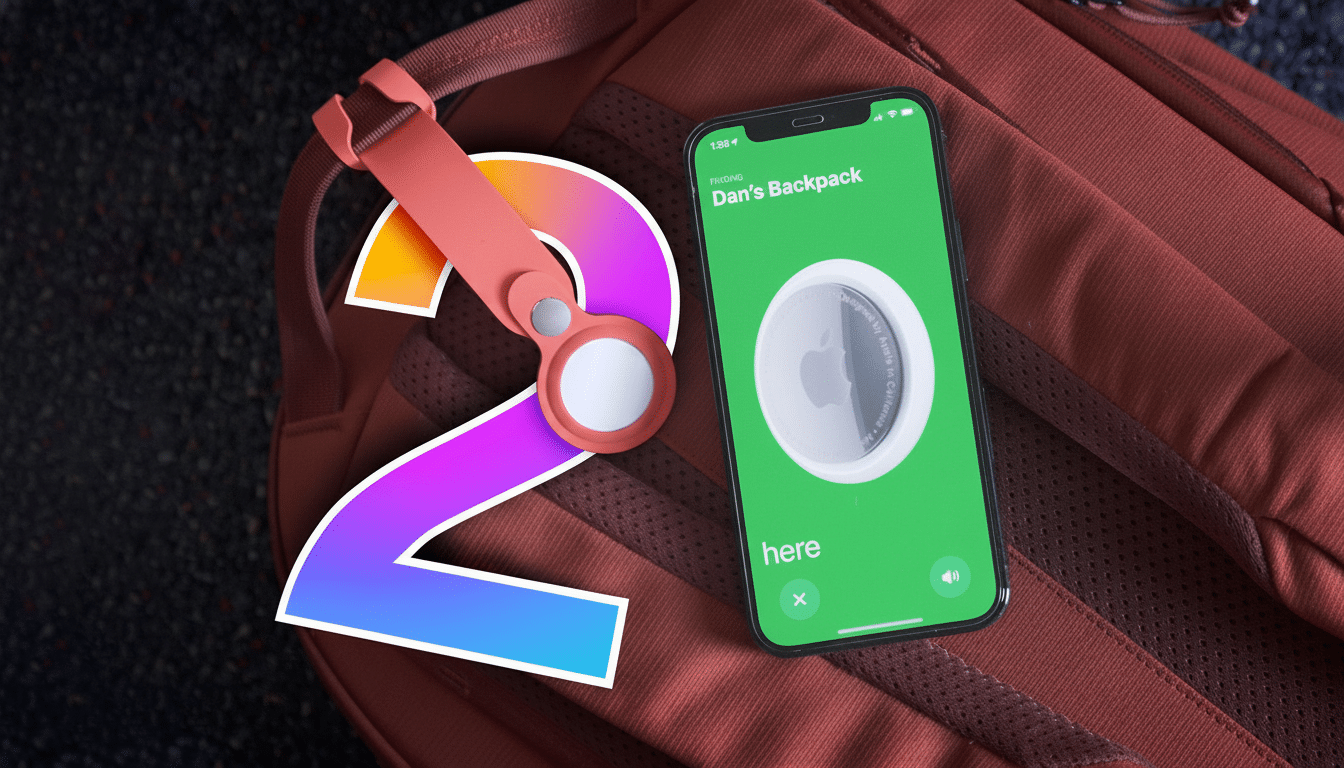
The UWB advantage explained for next-gen AirTag precision
Apple is considered likely to transition AirTag to its second‑generation Ultra Wideband platform (commonly known as U2), similar silicon that recent iPhone and Apple Watch models have implemented. Apple has said there is up to 3x extended range for U2‑enabled Precision Finding as compared with first‑gen UWB. In practice, that means more consistent arrow guidance at extended ranges and better performance in the presence of obstructions with enhanced time‑of‑flight accuracy and interference rejection.
If the scorched‑earth features that have leaked leverage that hardware with smarter software — especially in motion and crowds — AirTag 2 could feel tangibly faster and steadier when it’s hunting down a tag from across more space, like through a parking garage or around a bustling train platform.
Privacy And Safety Are Still Table Stakes
Apple and Google have also both developed a cross‑platform unwanted tracking notification capability based on a jointly designed specification, lowering the risk of stealthy tracking spanning ecosystems. Any upgrade to AirTag 2 must keep those protections in place. Anticipate detection thresholds and audible alerts remaining active, with tweaking instead of overhauls.
Timing and backward support for AirTag 2 features rollout
The internal references indicate a shift in launch window, so don’t expect the hardware to appear anytime soon. Some of that, potentially including better pairing or elements of Precision Finding, could make it to existing AirTags through a software update, suggesting a lot of the uplift is algorithmic more than entirely due to the hardware.
For anyone on the fence about whether to wait, it’s pretty clear‑cut: if you need a tracker now, Gen 1 AirTag is still a good performer. If you value more granular battery stats, improved moving‑target tracking, and even longer UWB range, the leaked roadmap suggests a big step forward is coming.
Context matters, too. A report prepared for SITA shows mishandled bag rates are still several per 1,000 passengers worldwide; baggage continues to be a prime use case for trying out smarter, motion‑aware tags. If Apple’s changes materialize as described, AirTag 2 could be the difference between an anxiety‑ridden hunt and precise guided recovery — and demand a rapid response from Android tracker makers.
As with all leaks, plans can change. But the trend is apparent: to further integrate UWB, improve signal processing, and deliver practical quality‑of‑life improvements that turn tracking into less of a gadget trick and more into an actual useful utility.