


The automotive industry is in the middle of one of the biggest technological changes in decades. Whether it is electrification, artificial intelligence or intelligent connectivity, they are all changing how vehicles are designed, produced and enjoyed. Therefore, staying abreast with the latest automotive news is essential to industry professionals, investors and consumers who wish to be aware of what is going on in the direction of modern mobility. Technology has become not only a component of the automobile, but it is also the driver behind the safety, performance, sustainability, and consumer experience in a nutshell.
Here, you will understand five key aspects that technology is transforming in automobiles; it is a business quality communication that provides a glimpse of the trends, technology, and future-proof innovations.
- Electrification and Sustainable Mobility: Powering a Cleaner Future
- Autonomous Driving Technology: Redefining Road Safety and Mobility
- Connectivity and Smart Vehicle Platforms: Enhancing User Experience
- Artificial Intelligence and Data Analytics: Transforming Performance and Decision-Making
- Final Thoughts
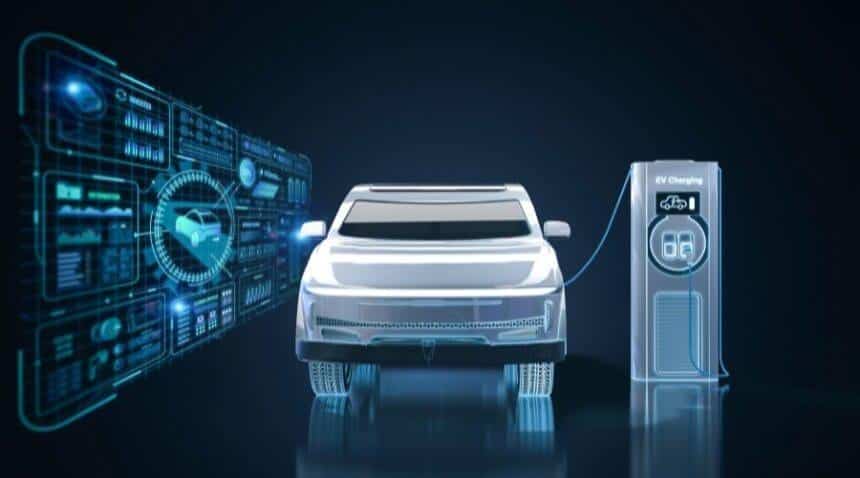
Electrification and Sustainable Mobility: Powering a Cleaner Future
- Electric Vehicle Adoption: The transition to electric powertrain adoption is gaining momentum all over the world. To satisfy the increasing demand of consumers, manufacturers are coming up with highly efficient batteries, long-range solutions and charging infrastructure.
- Battery Innovations: The solid-state and lithium-ion battery technologies are also improving lifespan, charging times, and cost, as well as making electric vehicles more available and viable.
- Government Policies and Incentives: The government regulatory agencies are gravitating towards using electric vehicles by tax reduction incentives and subsidies, and stiffer emission regulations. These are among the key attempts to change the auto industry.
- Hybrid and Alternative Fuel Vehicles: Hybrids and hydrogen vehicles are also at the level of development; they are not as emissions-intensive and are more energy-efficient compared to full EVs.
- Sustainable Manufacturing: Companies are adopting materials that are eco-friendly with carbon-neutral production processes to meet the requirements of the environment, which is necessary in the long-run expansion and consumer trust.
Autonomous Driving Technology: Redefining Road Safety and Mobility
- Advanced Driver Assistance Systems (ADAS): New vehicles are equipped with such technologies as lane-keeping assistance, adaptive cruise control, and automated parking. These systems scan the environment and aid the driver to be aware of any threat that may occur.
- Full Autonomy Development: Level 4 and Level 5 autonomous vehicles are already being tested by the automakers and tech companies, and they are fully capable of functioning in controlled environments, without human supervision. These vehicles possess advanced sensors, cameras and artificial intelligence to guide them.
- AI and Machine Learning Integration: Vehicles process sensor and camera data with the help of AI and base the results on the analysis results to identify road dangers and interpret traffic behavior. Machine learning will make making better decisions over time possible and allow cars to adapt to new situations.
- Regulatory Concerns: The implementation of autonomous technology will rest on the shifting legislation, safety, and liability regulations. The governments are devising policies that will ensure safe deployment and address the issues of the people.
- Urban Mobility Solutions: Cities all over the world are conducting pilot programs of autonomous shuttles and ride-hailing vehicles. These projects have the aim of decongesting, making use of transport efficient, and minimizing emissions.
Connectivity and Smart Vehicle Platforms: Enhancing User Experience
- IoT Integration: IoT technology is used to enable connected vehicles to communicate with other vehicles, traffic infrastructure, and cloud networks in real time. Such sharing of information facilitates smarter navigation, better traffic control and increased road safety.
- Infotainment Systems: New car models come with interactive touch screens, voice recognition, and customizable 2nd screens to give drivers an interactive driving experience. Such features as real-time navigation, media streaming, and connectivity make drivers and passengers more convenient.
- Predictive Maintenance: The state of engines, brakes and other important components is always monitored with the help of sensors. The AI-based analytics predict any potential issues even before they can become a problem to reduce unplanned failures.
- Over-the-Air Updates: Makers of vehicles use software-based updates to provide new features, improve performance, and fix loopholes without necessarily visiting a dealership. The cars can automatically update and install upgrades, making them up to date.
- Fleet Management and Logistics: Intelligent platforms enable companies to track the location of vehicles, performance, and fuel consumption in real-time. Analytics allow streamlining routes, cutting operational inefficiencies, and decreasing costs
Artificial Intelligence and Data Analytics: Transforming Performance and Decision-Making
- Driver Behavior Analysis: Artificial intelligence-based systems are continuously used to study the driving behavior, such as acceleration, braking and cornering. Drivers are educated on tips to enable them to drive safely and efficiently.
- Vehicle-to-Everything (V2X) Communication: Cars communicate in real-time with other cars, road lights, and road systems to predict the occurrence of dangerous situations. This connection maximizes the traffic flow, minimizes congestion and eliminates collisions.
- Design and Manufacturing Optimization: AI-based simulations would help car manufacturers simulate the behavior of the car in different situations, enhancing its safety and aerodynamics. Predictive analytics streamlines production processes and minimizes waste and operation expenses.
- Smart Energy Management: Simulations with AI give the automaker the simulation of how the vehicle will behave at various conditions to improve safety and aerodynamics. Automation of the production processes, waste reduction and operational cost savings are carried out by predictive analytics
- Market Forecasting and Consumer Insights: AI will dynamically distribute power to hybrid/electric vehicles in order to generate the most efficient result. The systems are controlled by battery usage, regenerative braking, and energy recovery to expand driving range.
Final Thoughts
Technology is radically transforming the automotive industry and has impacted the design of the vehicle, the user experience, safety, and environmental impact. Since it has been electrified and autonomously driven, connected, AI, and people-centered innovations, these changes are the future of mobility. News has become important to professionals, investors, and hobbyists as they want to know the market trends and technological innovations. Following the latest news in the auto industry, people and enterprises are able to predict changes, make wise choices, and be on par with the budding trends.
For those seeking a reliable resource for curated insights and updates on modern vehicles, platforms like FyndMyCar offer a comprehensive perspective, bridging the gap between technological innovation and practical understanding.d seamless car-buying experience.