


When I left CES, one pair of headphones was on my mind more than any sensational release from Sony or Bose. Klipsch’s Atlas HP-1 is the sort of decisive swing at premium over-ear that pioneers an audiophile-first tuning with active noise canceling, which is nearer to class leaders than I’d come to expect. Coupled with the refreshed The Three IV tabletop speaker, there’s a compelling narrative here about sound quality, design and an ecosystem that legitimately raises the bar for everyday listening.
Why Klipsch sound has me hooked on imaging and dynamics
It is a reflection of Klipsch’s long-standing emphasis on dynamics and imaging, not just raw isolation. The HP-1 uses a coaxial driver setup, something unusual in standard-issue ANC cans, and it positions acoustic centers together for better phase coherence and stereo focus. Coaxial geometries have long been tied — by our community at least, in AES literature — to better imaging when it’s executed well, and exactly that sort of engineering is what matters when you care about placement of vocals and instruments as opposed to just thump.
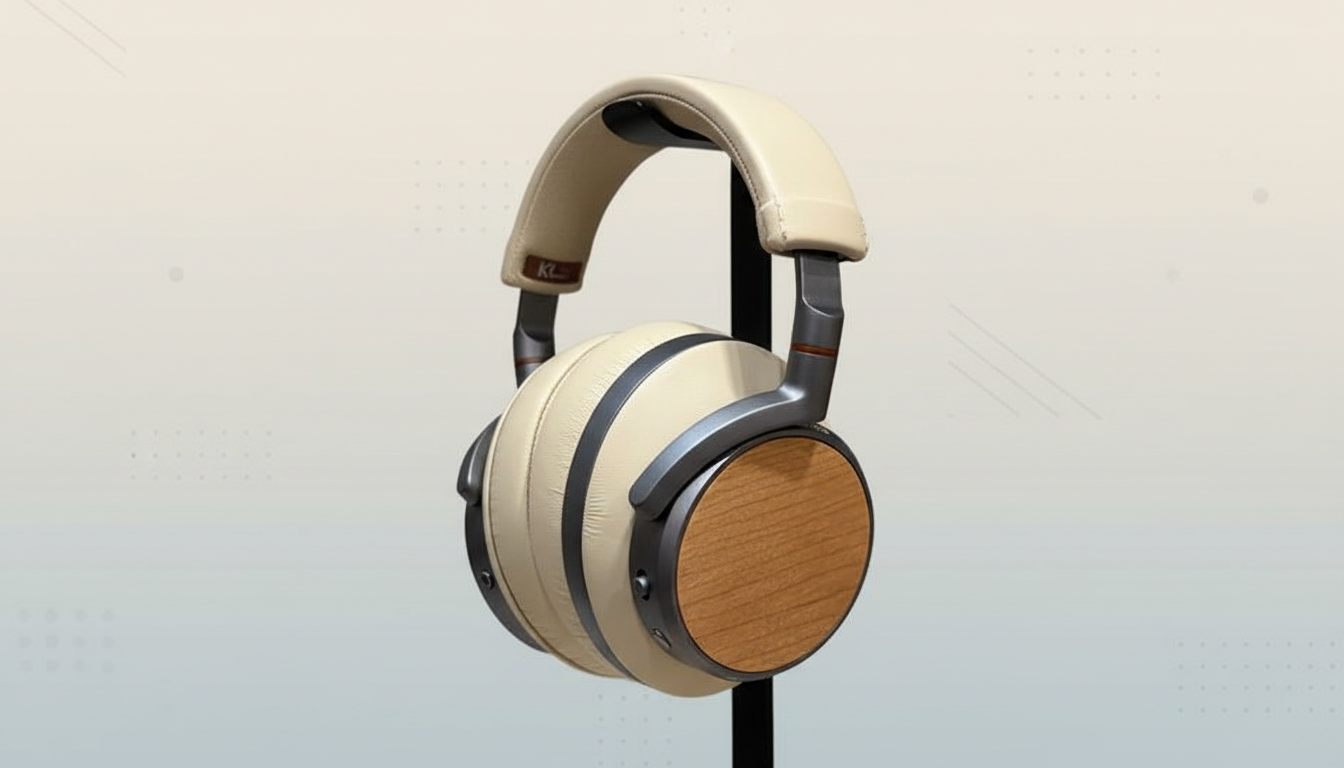
This audiophile tilt is not window dressing. While a lot of travel headphones wind up leaning too hard into boosted bass and aggressive digital signal processing (DSP), the HP-1 arrives deftly skewed toward timbre and texture. Even on the din of the show floor, I heard separation that implied a cleaner path from driver to ear. Wood accents and soft leather aren’t just for looks; real materials can help stifle resonances, and they make for a comfier fit, two subtle variables that often influence how long you end up keeping a set on your head.
ANC that competes without losing sound quality
Let me be clear: Bose and Sony remain the ANC standard-bearers. Most independent test labs — including Rtings and SoundGuys — consistently rank them near the top for low-end blocking and adaptive performance. I’m surprised at how well the HP-1 now competes in a busy environment. They effectively removed chatter and HVAC rumble, all while maintaining the midrange clarity that can be dulled with heavy-handed cancellation.
In the real world, that mathematics matters. Airline and occupational noise references estimate that typical aircraft cabin sound levels are around 75–85 dBA; it is much easier to cut listening volume by the amount needed to reduce that than to attenuate as much with your ears, which protects hearing somewhat and improves detail. If Klipsch can deliver near-top-tier isolation with a tonal centre that doesn’t sound like the instruments in your hand are being yanked around, inside out, that is the combination serious travellers and studio-leaning listeners have been waiting for.
Transparency mode also seemed relatively stable and intelligible — helpful if you’re catching gate announcements or brief conversations.
It’s a small thing, but it’s the type of everyday UX detail that distinguishes good ANC from great ANC.
A smarter speaker that fits the plan for an ecosystem
Klipsch’s refreshed The Three IV tabletop speaker is a subtle line between the dots. The updated design replaces old-school toggles for a cleaner interface that supports Auracast, and offers a front display for album art and track information. The Bluetooth SIG has marketed Auracast as a broadcast-style feature where venues and homes can send audio to multiple devices at once, such that living rooms, office meeting spaces or even gyms could transmit the same source to multiple listeners.
What does a speaker have to do with a headphone buyer?
Because it signals intent. Klipsch is looking at something bigger than a single product, into a listening ecosystem where handoff, discovery and group playback are easier. When your home speaker displays what’s playing, and your headphones continue that vibe on the go, you’re not fighting your gear; you’re rediscovering your library.
Design and materials still matter for longevity
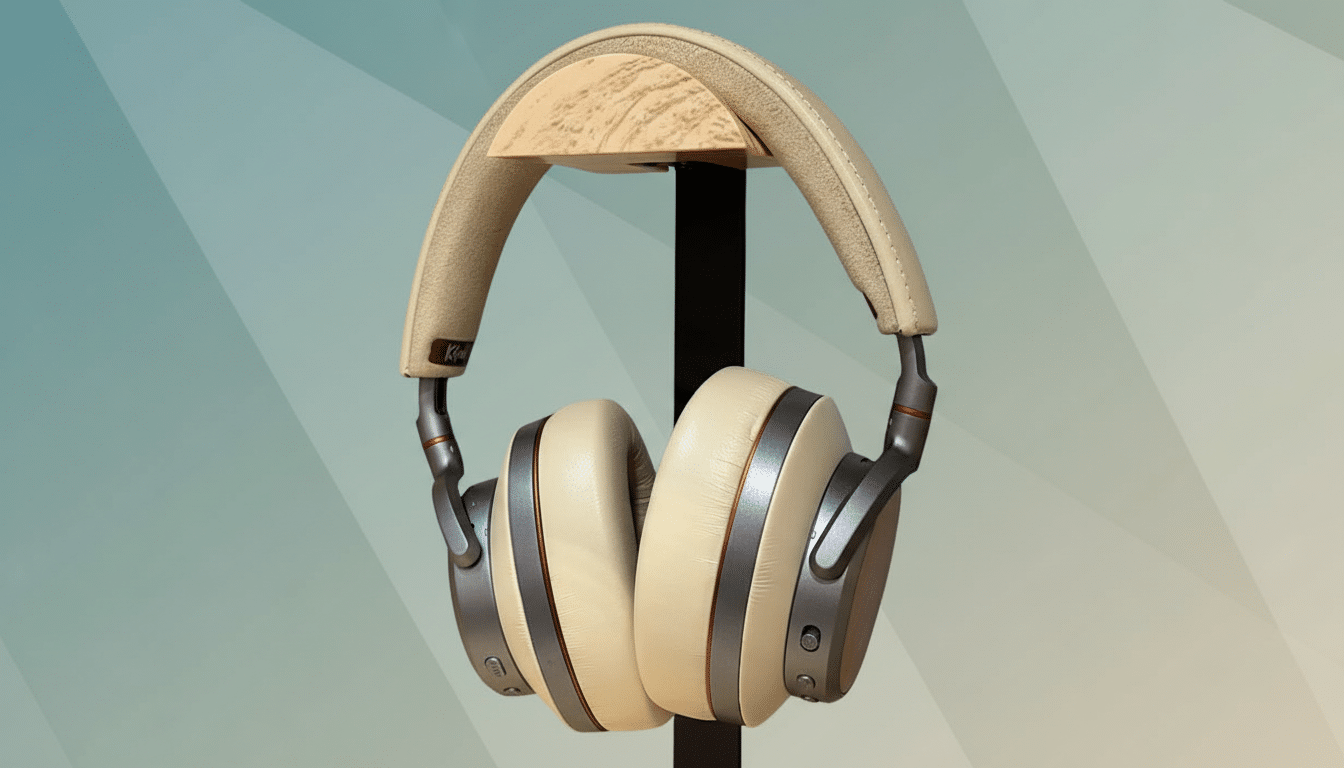
High-end headphones are as much about fashion as function, and the HP-1s read as heirloom objects instead of plastic gadgets. Metal hardware, genuine wood and stitched leather suggest longevity — a welcome change from today’s two-year upgrade churn. IDC has observed consistent growth in the higher-end headphone market, and products that look and feel more durable tend to retain resale value for a long time. That makes a difference when the total cost of ownership also takes into account pads, batteries, and repairs over time.
What Sony And Bose Loyalists Should Know
If you want only the best when it comes to ANC plus a proven app and sound experience, Sony and Bose are still no-brainers. But Klipsch promised something else: almost flagship-grade isolation with a wider soundstage, premium materials, and — just as importantly — a speaker that’s embraced contemporary Bluetooth standards. For listeners who value imaging and timbre as much as they do silence, that’s pretty compelling.
Price and early outlook for Klipsch HP-1 and The Three IV
Klipsch has promised a summer release for the HP-1 and The Three IV, with pricing to be revealed. The build and tech hint at a premium placement. If they get the final tuning to match what I heard, and if ANC stays up at this competitive level, then the HP-1 could be one of the more interesting alternatives to the regular commute champions brought out this year.
In a market fixated on spec sheets, Klipsch’s pitch is blissfully simple: make headphones that sound like real speakers in a real room, and then cancel enough noise to leave the soul intact. That’s also why I’m more excited about these than yet another incremental refresh — because they feel like a real step forward in how we listen.