


Amazon quietly enhances DRM protection on Kindle ebooks—and nobody notices (unless it’s gone). The most recent firmware, version 5.18.5, brings a new level of encryption that further ties books to a user’s account and device, solidifying a years-long trend toward increased lock-in.
What’s New on Kindle Devices with Firmware 5.18.5
As reported by ebook community trackers, the new firmware re-encrypts all downloaded titles regardless of when they were purchased or published. The protection now is based on a hidden “account secret” stored in the device, a developer active in the MobileRead forums and known for his Kindle jailbreak research who asked to remain anonymous told me. Without the secret—or if a jailbreak no longer applies—the tools that people typically use to archive or convert ebook files no longer work.
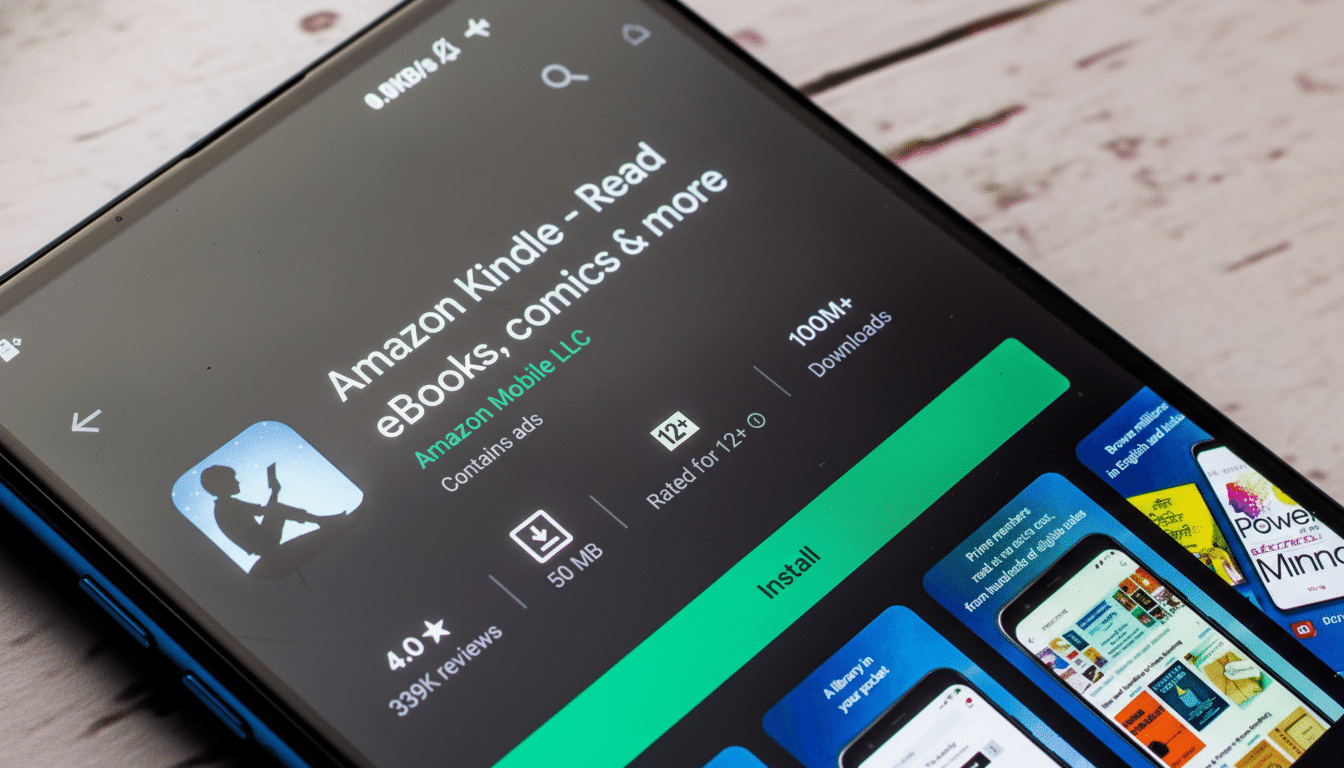
That means in practice newly downloaded files are locked tightly to the owner’s account and hardware. You can open and read your books on Kindle devices and apps, but only DRM-free titles sold at Amazon are safe. The door has largely shut for anyone who kept a personal library backup, or migrated files to enable cross-platform reading.
A Pattern of Stepped-Up Controls Across Kindle Apps
It’s not the first time Kindle workflows have shrunk. Amazon has been encoding new deliveries to the KFX format, which stands up better against attempts to strip out copy protection than older AZW3 files. Previous editions of Kindle for Android and Kindle for PC, which could obtain less-restricted formats, had every attempt to download new purchases denied. And for some customers, a backup method has been severed: the ability to download and transfer titles to an external drive via USB.
Good e-Reader, a site that keeps close tabs on changes to e-reading firmware, highlighted the new enforcement and linked it to the MobileRead analysis. Together, these changes point to a clear trajectory: the company is making it increasingly difficult to use purchased ebooks in any manner that bypasses official apps and devices.
Why This Matters for Ebook Ownership and Rights
Many readers believe a purchased ebook is “theirs” in the way a paper book could be. In fact, digital purchases are subject to licenses that can impose restrictions on copying, conversion, and even access. The Electronic Frontier Foundation has long warned that DRM blurs the line between buying and renting, a tension brought into sharp relief when Amazon famously removed copies of George Orwell’s “1984” from Kindles more than a decade ago following a licensing kerfuffle.
The ripple effects are vast due to scale. Industry watchers usually pin Amazon at about three-quarters of the U.S. ebook market, and a Pew Research study released last year said roughly three in 10 American adults read an ebook over the past year. Daily routines — having that local library, maintaining a cross-device archive — can snap overnight when the dominant platform tightens its controls.
Effects on Authors, Libraries, and Reader Access
For writers, the level of royalties and discoverability probably won’t change any time soon. That having been said, stricter locks exacerbate platform dependence. Self-publishing authors — who rely on a reader base of people who are device-agnostic — may also experience more friction from readers as sideloading and format conversion become increasingly impractical.
Libraries, which already contend with complicated licensing terms through services like OverDrive and Libby, may face more questions around compatibility for patrons who read on multiple devices. The American Library Association has long criticized ebook terms as too binding, hindering access and preservation. Stricter encryption could add more complexity to institutional long-term archiving.
Accessibility is another pressure point. The U.S. Copyright Office does issue some narrow exemptions under the DMCA for certain accessibility uses, but those exceptions still rely on working tools to convert formats. If keys are blocked, even valid transformations for assistive technology (AT) would be more challenging to perform.
What Readers Can Do Now to Preserve Flexibility
Readers who’d like the most choice currently have few pure options.
- Seek out DRM-free titles where publishers provide them, following that backup-friendly and convertible path.
- Use public-domain sources for classics.
- In the Kindle universe, use the official tools to export your highlights and notes.
- Keep personal documents and non-DRM content outside of the walled garden.
Continuing to hold a device offline to forestall firmware updates may temporarily keep older behavior, but it involves risks and trade-offs, such as missed security remedies and possibly losing services. Underlying it all, the direction of travel is clear: tighter integration, fewer loopholes, more reliance on what official apps and hardware allow.
The Broader Ramifications of Digital Ownership
Books are part of a larger trend: movies, music, and games are increasingly creatures that live behind DRM in their closed ecosystems. Policymakers in the United States and Europe are exploring digital lock-in, discussing topics such as interoperability and consumer rights. Until such debates lead to a new set of rules or shifts in the market, Kindle users should prepare for the walls around their ebook library towers to get even taller.