


Kenji-NX, the Android fork of the acclaimed Ryujinx Nintendo Switch emulator, has rolled out a major pre-release update that sharpens performance, expands device compatibility, and tackles long-standing pain points—most notably on phones powered by Qualcomm’s Snapdragon 8 Elite chipset.
What’s New in Kenji-NX v2.1.0: Features and Fixes
The headline upgrade is practical quality-of-life: emulated games now keep running when the app is in the background, a subtle but transformative change for multitasking on Android. You can jump to messages or a browser tab and return to your game without a hard pause or state hiccup.
Visual polish gets attention too. The team fixed game screen handling on tablets and foldables, addressing layout quirks and scaling issues that made some titles appear cropped or misaligned when spanning larger displays. For a class of devices that’s increasingly popular for handheld gaming, this is a timely fix.
Compatibility tuning continues under the hood. A new option to disable threaded rendering can resolve edge-case crashes or visual artifacts in titles that weren’t happy with aggressive parallelism. There’s also streamlined support for adding home screen shortcuts, making it easier to launch specific games like native apps.
Stronger Snapdragon 8 Elite Compatibility
Kenji-NX’s developers targeted Qualcomm’s latest flagship silicon with a suite of GPU-related fixes. According to the project’s notes, the update improves GPU stability and memory handling, reduces startup and shutdown crashes, and tightens GPU synchronization—areas that commonly surface when emulators push drivers with heavy multithreaded loads.
In practice, better synchronization often translates to smoother frame pacing and fewer one-off stalls when shaders compile or buffers are swapped. That’s especially relevant on modern Adreno GPUs where timeline synchronization and driver-level scheduling can make or break perceived smoothness. Early community feedback in r/KenjiNX points to steadier runs in demanding titles that previously crashed at boot or during scene transitions.
Controller and UI Improvements Enhance Playability
On the input side, the update fixes non-working shoulder triggers on Xbox controllers—a long-standing annoyance for players relying on Bluetooth or USB gamepads. Because many Switch titles expect precise analog input on L/ZL and R/ZR, restoring proper trigger behavior is more than a convenience; it’s essential for playability.
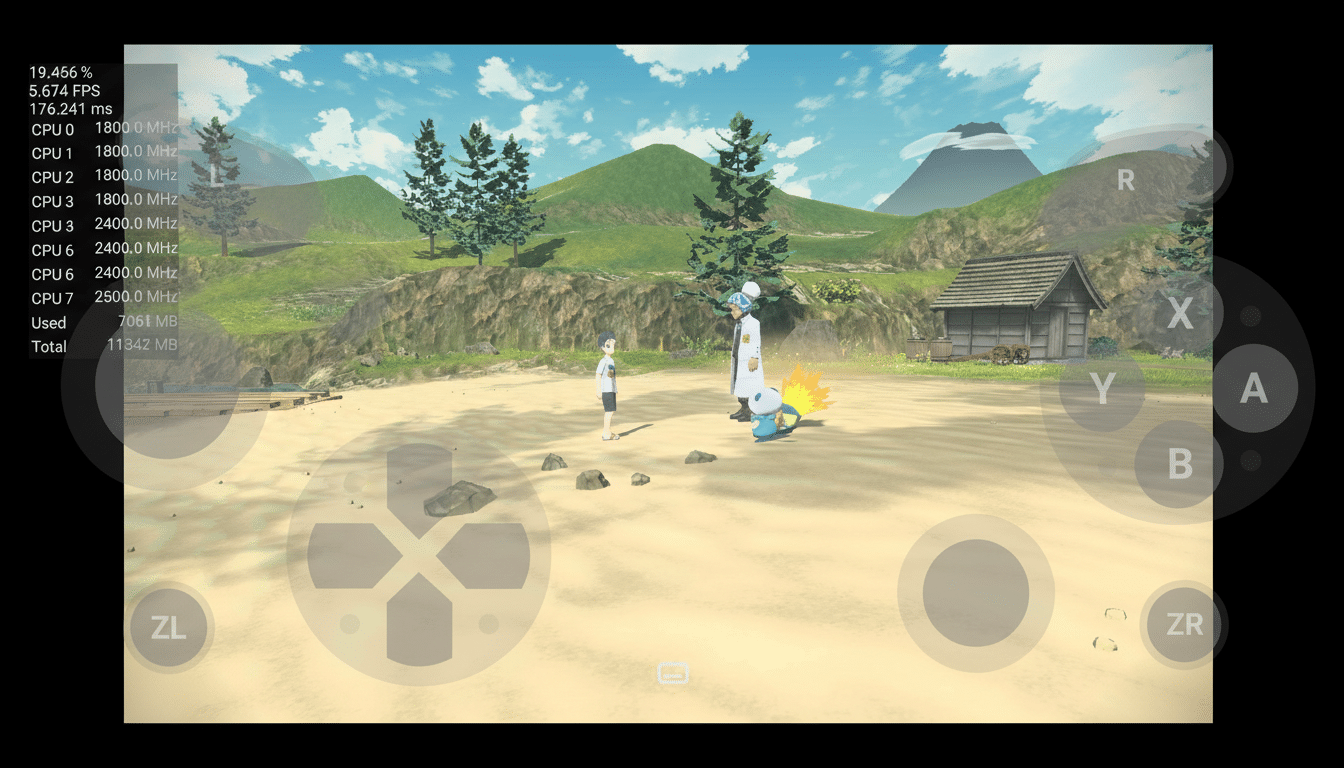
Touch controls get a meaningful upgrade too. Kenji-NX now includes a virtual controller scale slider with six new layouts, giving players the flexibility to resize and reposition inputs for different screen sizes and grips. Combined with the tablet and foldable display fixes, the UI now better adapts to everything from compact phones to 8-inch slabs.
Performance Gains and a Reduced App Footprint
The team claims general performance gains of up to 10%, a modest-sounding number with outsize impact for emulation. A 10% lift can be the difference between hovering in the high-20s and maintaining a near-locked 30 fps, stabilizing gameplay and reducing input latency spikes.
There’s also a notable 40% reduction in app size. A leaner binary reduces download times, frees up storage on budget devices, and often correlates with consolidated resources and streamlined assets. For frequent updaters or users juggling multiple emulators, that storage win adds up quickly.
Why This Matters For Mobile Switch Emulation
Kenji-NX’s progress underscores how fast mobile emulation is maturing. As a Ryujinx-derived project, it benefits from a proven core while tailoring features to Android’s unique mix of chipsets, input methods, and display types. With direct attention to Snapdragon 8 Elite quirks, it also sets expectations for better day-one support as new flagship phones arrive.
It’s a competitive field. Alternatives like Eden and Citron are pushing ahead as well, giving Android users real choice in how they run their legally obtained game dumps. The upshot is clear: between background execution, controller fixes, and GPU stability work, Kenji-NX v2.1.0 moves closer to that sweet spot of “pick up and play” reliability that handheld enthusiasts crave.
For a community that watches driver updates and emulator changelogs as closely as game patch notes, these changes are more than line items—they’re tangible improvements that make the difference between a promising demo and a dependable daily driver.