


Jeep’s most popular plug-in hybrid is headed for the door. Parent company Stellantis is killing off all of its plug-in hybrid models for 2026, which includes the Wrangler 4xe—the best-selling PHEV in America for a few years running—and the Grand Cherokee 4xe. The shift, which was first reported by The Drive, represents a dramatic pivot away from a formula that has helped bring Jeep both sales momentum and mainstream visibility in electrified vehicles.
What Jeep Is Cutting and Why Stellantis Is Shifting Strategy
There will be an emphasis on conventional hybrid powertrains and range-extended vehicles temporarily, as the company shifts resources away from PHEV model engineering.
- What Jeep Is Cutting and Why Stellantis Is Shifting Strategy
- Why the Wrangler 4xe Mattered to Jeep and Its Buyers
- Quality pressures and shifting policy timelines collide
- Stellantis outlines a new plan built around hybrids and EREVs
- What the shift means for current owners and new shoppers
- The bigger picture for electrification’s path at Stellantis
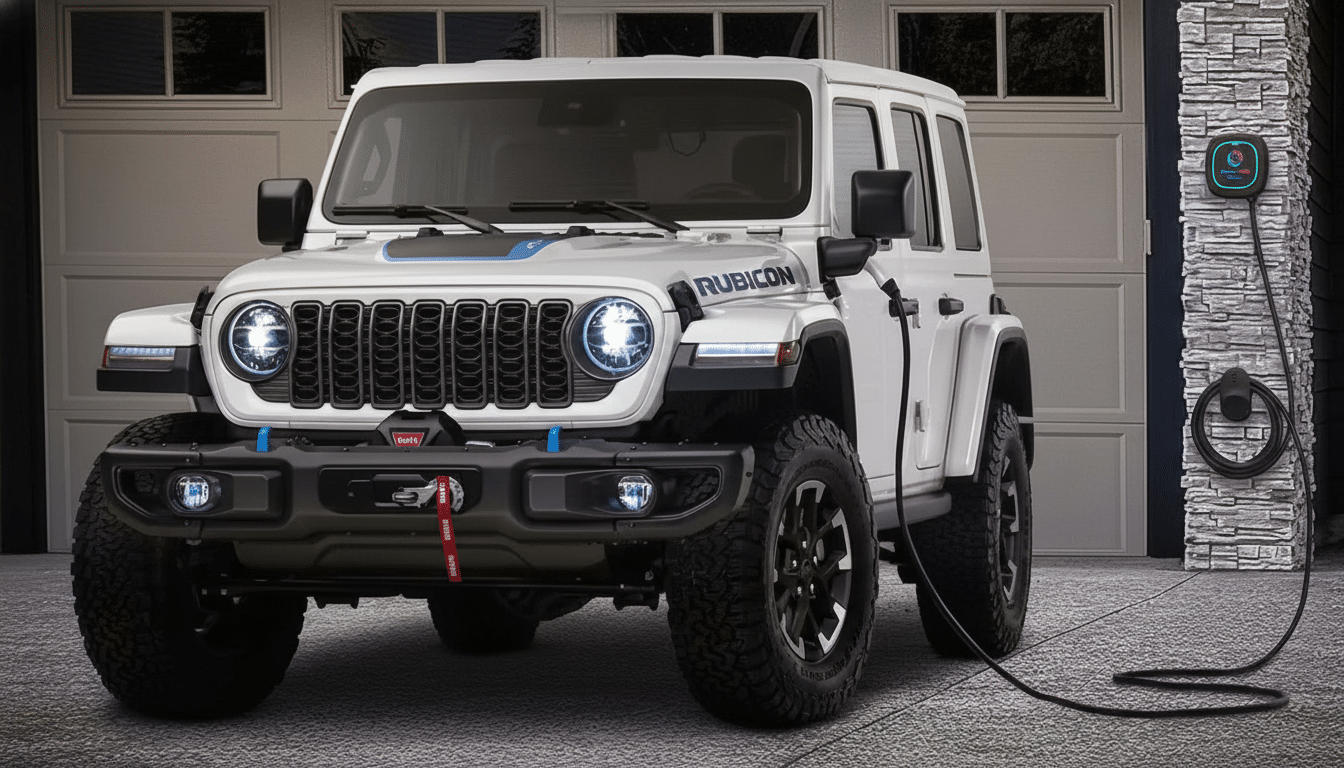
The Stellantis lineup is also being closely monitored, with a dedication to maintaining up-to-date demand among consumers and upcoming regulations. Jeep’s consumer site deleted the pages for Wrangler 4xe and Grand Cherokee 4xe models; while it doesn’t list the Chrysler Pacifica PHEV (another Stellantis model), that’s separately being included as part of a wider PHEV wind-down.
The strategic reboot follows a rocky year. In November, Stellantis (which took over the J.D. Power award-winning brand Jeep) recalled its 4xe plug-in models for software problems and a risk of fire from the battery, according to Kelley Blue Book. Meanwhile, Automotive News has also cited sustained sales pressure throughout the company’s U.S. model lineup, and changes in management along with an emphasis on margins. Add increasing battery prices, new tariffs, and a systemic whipsaw in federal policy that has retuned consumer incentives on the fly at Stellantis’ Nashville HQ and suddenly their calculus becomes clearer.
Why the Wrangler 4xe Mattered to Jeep and Its Buyers
The Wrangler 4xe was more than a compliance car; it found new throngs of buyers for Jeep. The 4xe was the top-selling U.S. PHEV for years, according to S&P Global Mobility and company disclosures, accounting for a high proportion of Wranglers built. Its pitch was straightforward and effective: an electric-first daily drive that had real off-road authenticity when the trails beckoned.
EPA ratings underscored the appeal. Considering an estimated all-electric driving range of somewhere around the low 20s miles and a combined MPGe in the mid-40s, many owners would be able to commute on electrons and still have long-haul gas backup when necessary. That useful fusion helped make the 4xe a pathway to electrification for buyers who might have passed on a full EV.
Quality pressures and shifting policy timelines collide
Product hiccups can be survived; what is tougher to endure is the combination of problems with quality and a backdrop of rapidly changing policy and costs. Battery costs remain in flux, and competition—particularly from China—has deepened on price. At the same time, new federal rules and incentive eligibility were restricting the pool of buyers that could confidently rely on a $7,500 credit—which is how value equations became muddled for plug-in hybrids at precisely the worst moment.
The balance-sheet realities at Stellantis have also hung over them. And Automotive News has charted years of sales softness in North America, and a new chief executive to do the triage. Focusing better investment on hybrids and range-extended architectures reduces the chance of stranding while tapping existing powertrains, thus lowering costs and could provide fuel economy improvements without the infrastructure and consumer-education issues of full BEVs.
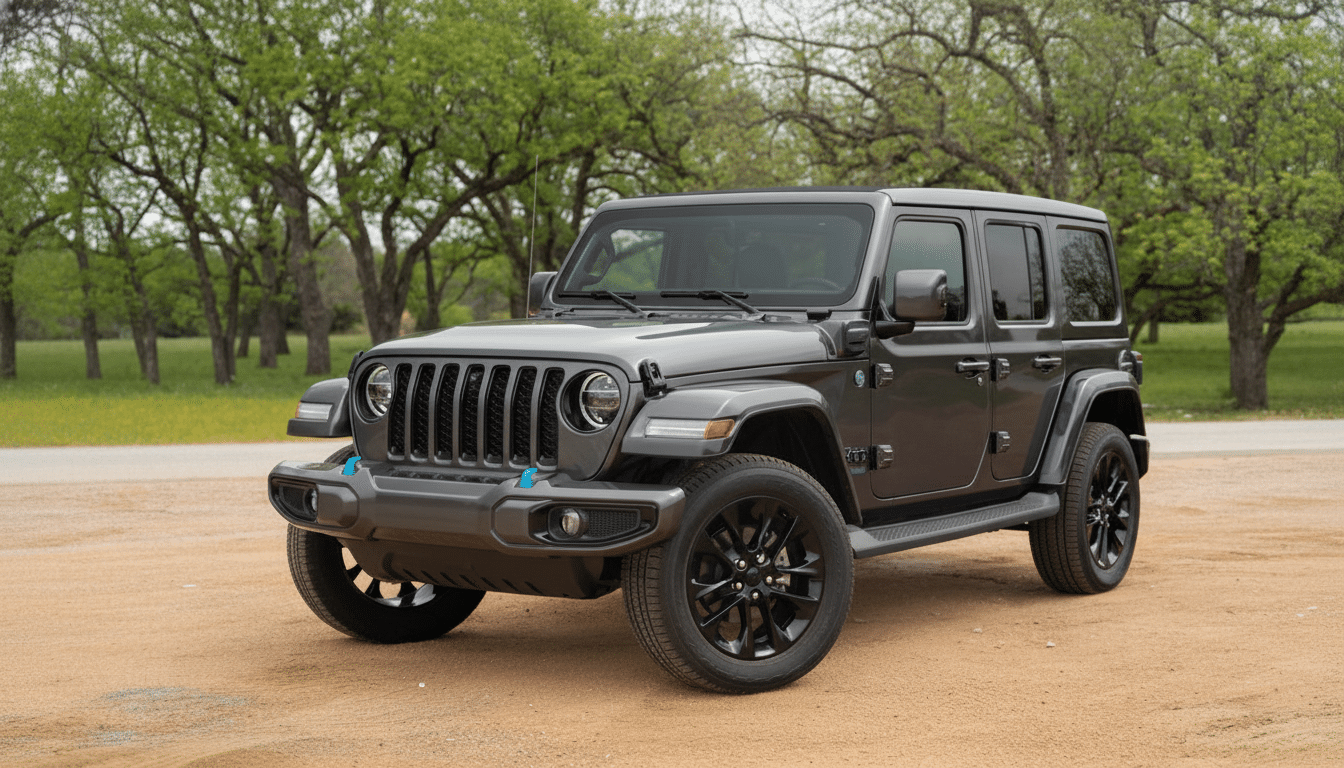
Stellantis outlines a new plan built around hybrids and EREVs
Stellantis says it will focus on high-efficiency hybrids and extended-range electric vehicles (EREVs), a path several other rivals have taken as well.
Ford, for its part, is revamping its EV roadmap and has indicated it’s considering a greater focus on range-extended platforms after dialing back some battery-electric plans. Within Stellantis, Ram has flip-flopped its plans for full electrification to instead be of the EREV variety, according to Car & Driver.
Jeep has EV irons in the fire still—after the Wagoneer S launched as an all-electric model, a right-sized compact called the Recon is due to follow—but its port to Tesla’s Supercharger network trails rivals, curtailing far-field fast-charging convenience for the short term. By planting the portfolio with hybrids and EREVs, Jeep buys time to further evolve its EV strategy as it keeps pace on fuel economy and performance.
What the shift means for current owners and new shoppers
Current Wrangler 4xe and Grand Cherokee 4xe owners will still be able to expect parts, service, and warranty coverage to continue; manufacturers support discontinued models for many years. Dealers can discount final numbers of remaining inventory; however, shoppers in it for the long haul may be more circumspect, taking into account battery recall remedies, software update cadence, and resale dynamics as production sunsets.
And history indicates that for owners, shutting down isn’t the end of the line. Chevrolet Volt drivers, for example, continued to get updates and parts support long after the cessation of production, and used values settled once they’d proven out the cars’ strengths (effective commuting; flexible long-range operation).
The bigger picture for electrification’s path at Stellantis
If the Wrangler 4xe—easily the one PHEV totem with most cultural relevance here in America—can be put on hold, it’s a reminder of how malleable the shift to electrification truly is. There needs to be consumer demand, clarity on policy and charging access, and model-specific reliability all lining up. For the moment, Stellantis is betting hybrids and EREVs are the right bridge. The Wrangler 4xe showed millions of drivers are going to meet electrification halfway; the next chapter will show whether automakers can too.