


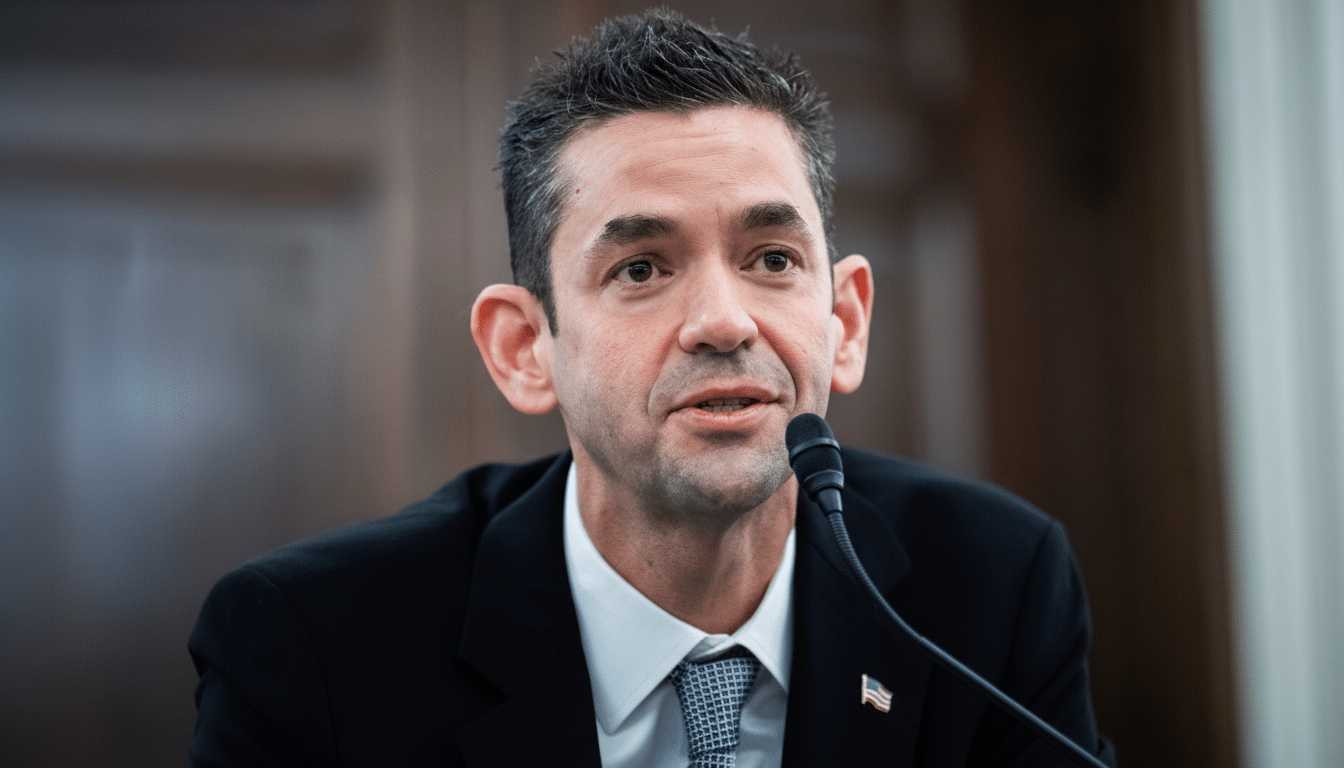
The billionaire entrepreneur and private astronaut Jared Isaacman has been confirmed by the U.S. Senate to lead NASA, putting a high-profile commercial space figure in charge of an agency trying to balance budget pressure, political crosswinds and a Moon-to-Mars roadmap that will require flawless execution.
Isaacman, the founder of Shift4 and commander of the all-civilian Inspiration4 mission, takes the helm after a tumultuous nomination battle that involved withdrawing his nomination before renominating under President Trump. His confirmation immediately recasts the mold of NASA’s leadership, a hands-on operator from the commercial space era with his hands on the controls of one of America’s most storied public institutions.
An Unlikely Leader For A Crucial NASA Moment
Unlike previous NASA administrators coming from government or academia, Isaacman has firsthand experience sponsoring and flying commercial orbital missions. That background comes with operational savvy and a bias toward quick, iterative development — qualities that dovetail with the agency’s growing emphasis on fixed-price contracting and public-private partnerships in both human spaceflight and science.
His SpaceX connections, which flew Inspiration4 and his missions of the Polaris program, will be closely monitored. NASA administrators adhere to federal ethics rules, and generally enter into agreements with the Office of Government Ethics to oversee recusals. Look for early signals about how Isaacman plans to navigate involving companies with which he has worked closely in order to uphold public trust and procurement integrity.
Artemis Stakes And The Intensifying Lunar Contest
At the heart of Isaacman’s portfolio is an initiative to return astronauts to the Moon. NASA’s Human Landing System plan is now unfolding across providers, having gotten initial awards to SpaceX and later a selection of the Blue Origin National Team. SpaceX’s initial award was made in a fixed-price configuration with $2.9 billion as its value, an amount that increased under the option, for a total Blue Origin originally said was worth $3.4 billion that NASA eventually awarded.
Policy turmoil has made that road harder. Through public statements and private grumbling, acting administrator Sean Duffy had made overt threats to re-examine the SpaceX lander award and urged Blue Origin to “challenge the system” with an alternative — a stance that spooked program planners and contractors. One of Isaacman’s early challenges will be re-establishing predictability: setting up fixed milestones, enforcing safety gates and ensuring competition works without losing momentum.
Cost and schedule discipline are key. The NASA Office of Inspector General has projected Artemis spending through the mid-2020s to be nearing $93 billion, reporting per-flight Space Launch System costs above $4 billion. The Government Accountability Office has long cautioned that integration and testing challenges run across SLS, Orion and ground systems. A leader comfortable with commercial cadence but also attentive to human-rating rigor will have to thread the needle.
Commercial LEO And A Leaner Agency Transition Ahead
Isaacman takes over a trimmer NASA responsible not only to continue science, but also to eventually hand over low Earth orbit to private stations as the International Space Station nears the end of its life sometime later this decade. The agency is fostering several space station designs with its Commercial LEO Destinations program for the continued use of microgravity through research, national lab work and astronaut training.
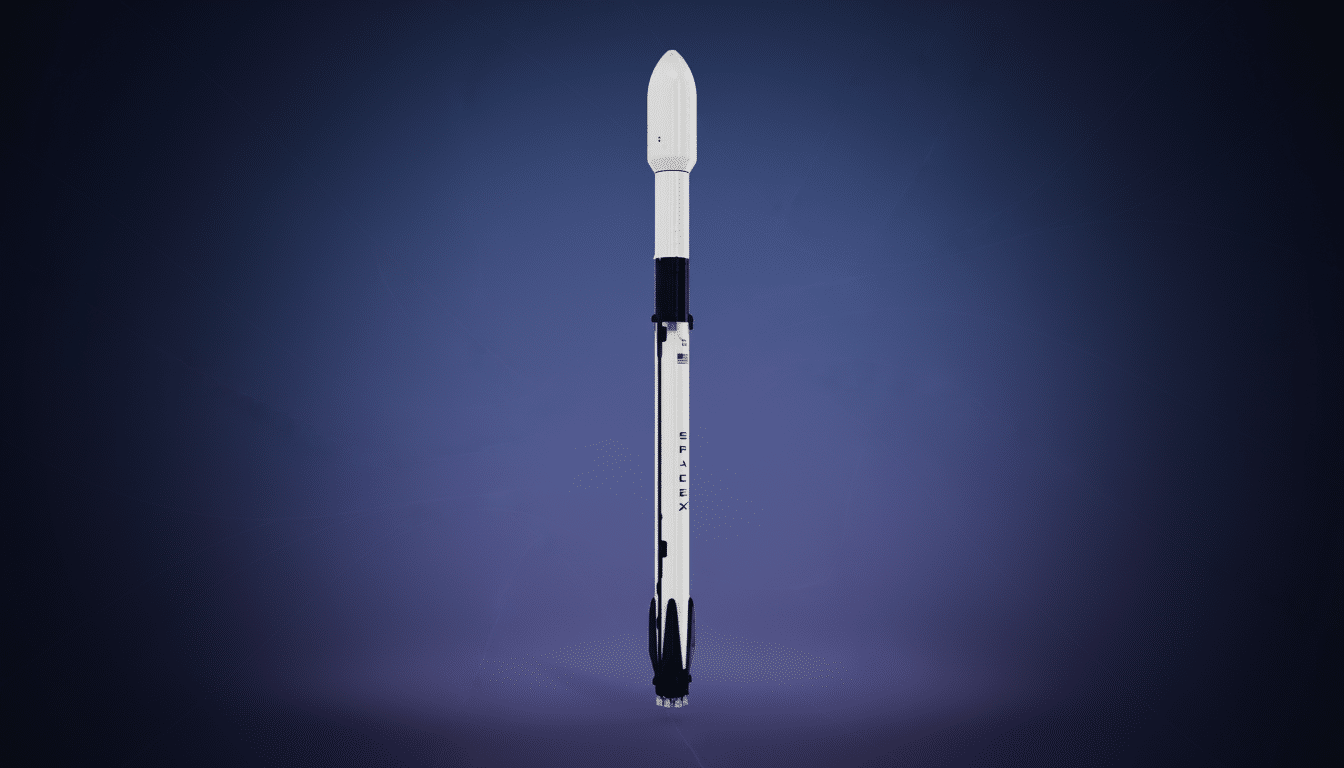
That shift fits into the broader commercial services model already demonstrated by Cargo and Crew, and even being utilized more for lunar delivery under the Commercial Lunar Payload Services program.
The trade is flexibility and cost-sharing; the risk is fragility in an ecosystem where delays at any one vendor can propagate throughout mission manifests.
A manager with intimate knowledge of suppliers can help spread risk and address contingency plans more formally.
Politics Oversight And Industry Dynamics
Isaacman’s confirmation comes after months of political back-and-forth that saw public sniping among influential industry voices. Restoring calm and trust with Congress, the White House and contractors will be as critical as technical stewardship. The Aerospace Safety Advisory Panel, the GAO, and NASA’s OIG will keep a close eye on decisions; involving those watchdogs in decision-making from early stages and with transparency will set the tone for his tenure.
On ethics, look for clear-cut recusal rules and a decision-making firewall around programs where there is risk of an appearance he may be compromised by past relationships. Credibility of NASA is based on competitive fairness and program consistency — something especially important when flagship missions rely on long-lead investments and multiyear appropriations.
What To Watch Next For NASA Under Administrator Isaacman
The first indicators will be the selections of Isaacman’s leadership team, a look at Artemis schedules, and guidance to the Human Landing System (HLS) and Commercial Low Earth Orbit (LEO) Destinations programs. Industry will be searching for a position on the SpaceX HLS, flight to clear Blue Origin’s lane, and risk chart changes with SLS, Orion and ground readiness.
For a NASA juggling exploration, science and Earth observation with limited budgets, the marching order for its new administrator is at once deceptively straightforward: make good on the Moon while making do in low Earth orbit. Isaacman comes with a commercial operator’s gut instinct. The question now is whether he can turn that into government-grade execution without undermining transparency, competition or safety.