


Italy’s competition watchdog has opened twin probes into Activision Blizzard over alleged manipulative monetization in Diablo Immortal and Call of Duty Mobile, intensifying European scrutiny of how mobile games nudge players—especially minors—toward spending.
The Autorità Garante della Concorrenza e del Mercato (AGCM) said it is examining design choices that encourage prolonged play and steer users into buying in-game currency and items, alongside concerns about default settings for minors and consent practices tied to data collection.
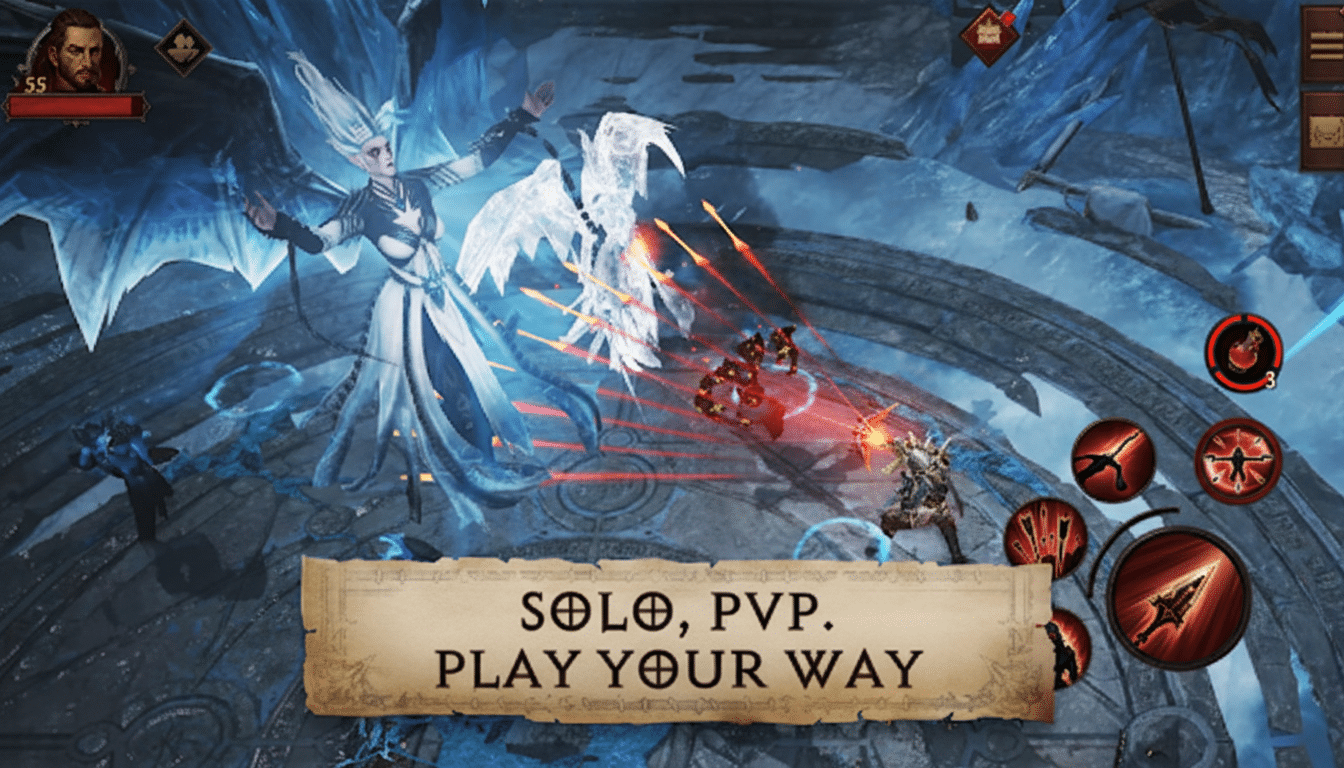
What the regulator is probing in mobile game monetization
At the center of the case are “free-to-play” labels that mask complex economies built on virtual currencies, time-limited offers, and fear-of-missing-out mechanics. The AGCM is assessing whether bundled currency, unclear pricing, and reward timers make it hard for players to gauge real-world costs and resist impulse spending.
Investigators are also focusing on child safety. According to the authority, default settings may allow minors to make purchases, play for extended periods, and use in-game chat without adequate guardrails. The watchdog is reviewing whether consent flows for data use present bundled options that push users to accept more than is necessary.
The proceedings target two of the most lucrative mobile franchises in the world. Industry estimates from firms like data.ai and Sensor Tower have tracked Call of Duty Mobile’s lifetime revenue in the multibillion-dollar range and Diablo Immortal surpassing $500 million within its first year. Both monetize through cosmetic items, boosts, and progression accelerators, sometimes packaged in high-priced tiers.
A Flashpoint In Europe’s Dark Patterns Crackdown
The Italian action lands amid a broader European effort to curb “dark patterns” and protect minors in digital services. The EU’s Unfair Commercial Practices Directive and recent consumer law updates empower authorities to sanction manipulative design. Brussels has also warned platforms about coercive choice architecture, and national regulators have zeroed in on games that blend entertainment with sophisticated behavioral nudges.
Belgium’s gambling authority effectively pushed paid loot boxes out of the market years ago, and Dutch enforcers previously pursued high-profile cases around randomized rewards. In the UK, the Competition and Markets Authority drove changes to subscription and refund practices across gaming, while the government urged industry-led safeguards for loot boxes targeting children.
Outside Europe, the U.S. Federal Trade Commission’s record $520 million settlement with Epic Games over Fortnite included $245 million in refunds for alleged deceptive interface practices and unauthorized charges by minors. The signal to global publishers has been clear: aggressive monetization tied to young audiences invites regulatory risk.
Monetization Mechanics Under The Microscope
Virtual currencies can blur price signals—1,000 gems rarely maps cleanly to a familiar dollar figure—while limited-time bundles and progression boosts can make restraint feel costly. Behavioral researchers note that countdown timers and variable rewards increase engagement and reduce deliberation, a powerful combination when paired with one-tap purchasing on mobile.
Diablo Immortal has been a lightning rod for “pay-to-progress” criticism since launch; it did not roll out in countries like Belgium and the Netherlands amid loot box concerns. Call of Duty Mobile, meanwhile, regularly rotates cosmetics, battle passes, and event rewards on narrow windows that encourage recurrent spending to maintain status or unlock seasonal content.
Possible outcomes and industry impact from AGCM case
If the AGCM finds violations, it can impose significant fines and require remedies. Those could include clearer price disclosures for virtual currency, stricter default settings for minors, spending caps, more prominent parental controls, and unbundled, granular consent for data processing. Remedies in one major EU market often ripple across product design globally.
Microsoft, which acquired Activision Blizzard, has been positioning itself as a compliant partner to European regulators following major antitrust reviews. An Italian consumer protection case, however, would test how swiftly it can adapt monetization frameworks, age controls, and consent flows across complex, live-service titles.
The debate over kids and free-to-play game design
Consumer groups, including the Norwegian Consumer Council, have documented how games leverage scarcity, social pressure, and obfuscated pricing to elicit purchases. UK government research has linked loot box spending with problem gambling behaviors among young people, adding weight to calls for guardrails rather than after-the-fact refunds.
Publishers argue that most users spend modestly and value free access, with whales representing a small share of revenue. But regulators increasingly scrutinize whether the most vulnerable users—children and high-spending adults—are adequately protected by defaults, friction points, and transparent pricing.
Activision Blizzard did not immediately comment on the Italian probes. The investigations will be closely watched by developers and platform operators, not just for potential penalties, but for the design standards they may cement for the next wave of mobile game economies.