


Weave Robotics is rolling out Isaac 0, a single-purpose home robot designed to fold laundry and nothing else, with early units reaching Bay Area customers. Priced at $7,999 upfront or $450 per month, the machine targets time-strapped households willing to pay for a narrowly focused task completed reliably and on demand.
Founder Evan Wineland has framed the launch as a pragmatic step: ship a useful robot now, then iterate. In other words, Isaac 0 is not a flashy concept demo; it’s a product intended to live beside your washer-dryer and quietly convert clean, crumpled clothes into neat stacks.
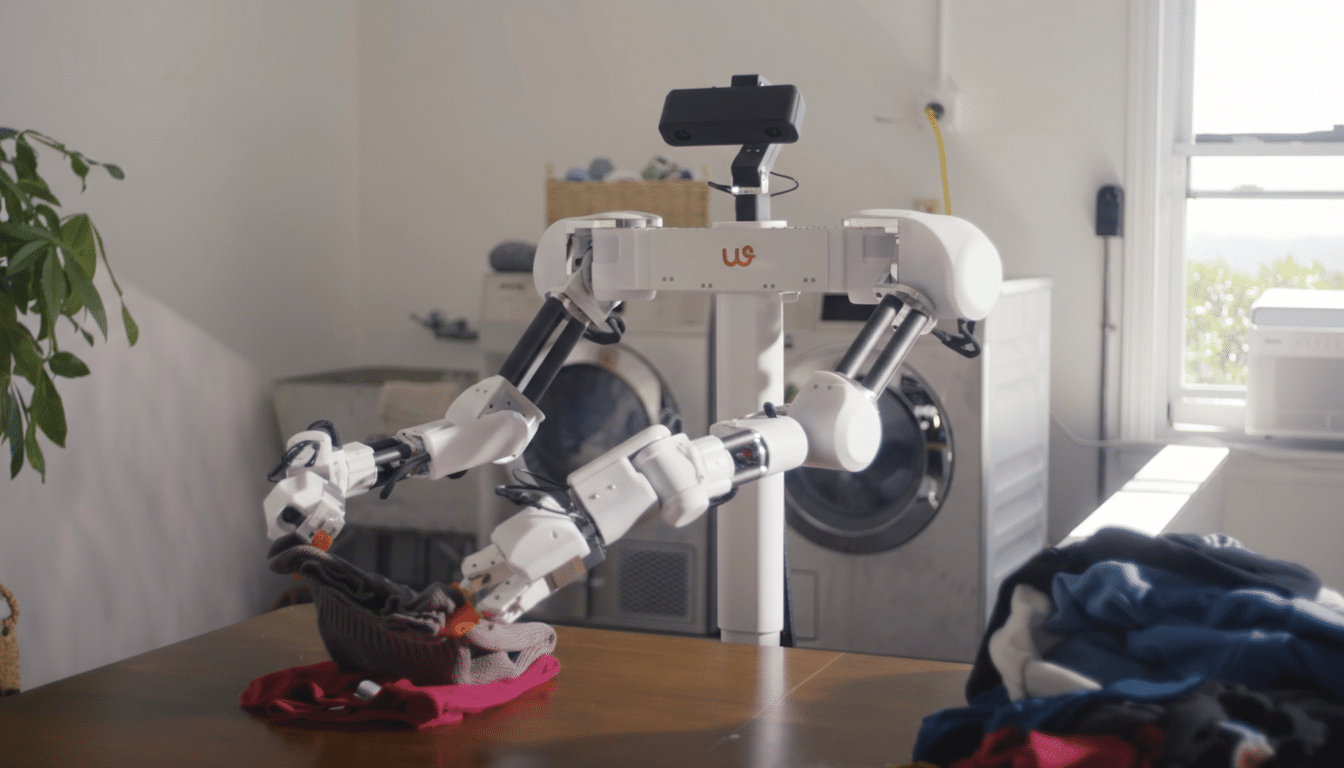
What Isaac 0 Can Do Right Now in Early Home Rollout
Isaac 0 is stationary and designed for quick setup. Weave says it can be installed in an afternoon, parked near a standard wall outlet, and start working immediately. You drop in a load and walk away; 30 to 90 minutes later, you return to folded piles. That timing spans a realistic range given the chaos of fabric types and sizes.
The robot tackles most everyday garments—shirts, pants, and basics—while excluding trickier items. Bedding is off-limits for now, and it struggles with clothes turned inside out. Those constraints hint at the core challenge of handling deformable objects, a notoriously difficult problem in robotics research.
Weave positions Isaac 0 as a learning system that improves over time. Expect software updates rather than new hardware between now and a more capable follow-on model simply called Isaac.
A Human in the Loop When Needed for Reliability
Weave acknowledges brief moments of remote assistance if Isaac 0 gets confused, a pragmatic design choice seen across autonomy sectors. Think of it as a safety net: a human may take over for a few seconds to unstick a garment or help the robot recognize an edge case.
This approach mirrors trends in service robotics and autonomous systems, where human-in-the-loop oversight boosts reliability while machine learning scales. It also raises valid questions about data privacy and operations transparency that early adopters will want clearly answered.
The Price Math for Folding as a Service at Home
$7,999 is steep for a single chore, but the comparison isn’t strictly apples-to-apples with a robot vacuum or mop. In major U.S. cities, wash-and-fold services often charge $1.50 to $2.50 per pound. A busy household can easily generate 40 to 60 pounds a week, turning convenience into a recurring bill that can surpass several hundred dollars monthly—though those services handle washing and drying, not just folding.
Isaac 0 aims to eliminate the time sink between dryer and dresser. The American Time Use Survey consistently shows laundry ranks among the most frequent weekly chores in households. For professionals or families where evenings vanish into basic upkeep, outsourcing just the folding step may be enough to justify the subscription tier.
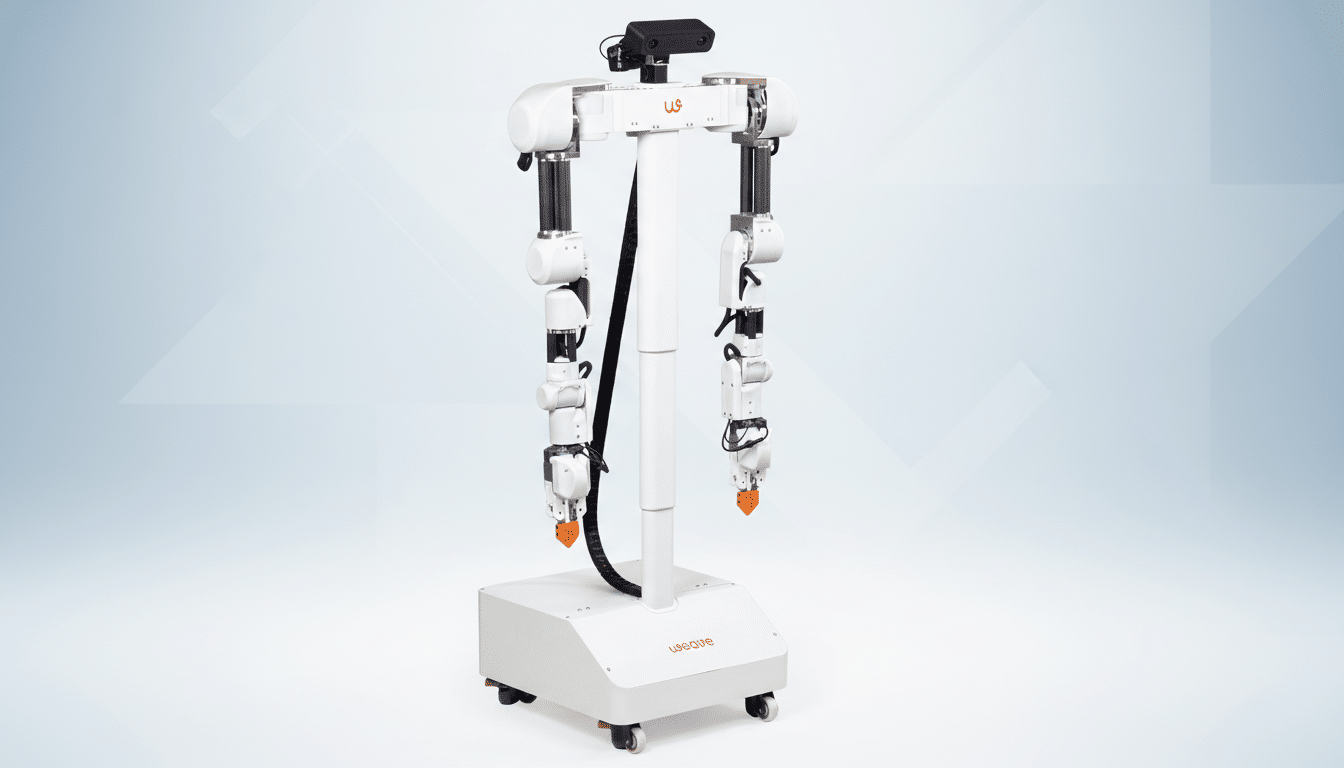
Early adopters are effectively funding a roadmap, too. Weave is candid that Isaac 0 represents a stepping stone toward more capable home robots, with performance that should improve via software long before the next-generation hardware arrives.
How It Stacks Up Against Rivals in Home Robotics
Single-skill home robots have struggled historically. FoldiMate and Seven Dreamers’ Laundroid promised automated folding, raised substantial capital, and then shuttered before becoming mainstream—cautionary tales widely reported by industry press. The difference with Isaac 0 is a smaller scope and faster shipping cadence rather than moonshot ambitions out of the gate.
Meanwhile, big brands are chasing multi-tasking helpers. LG’s CLOiD concept has been pitched as a domestic assistant that can handle laundry folding alongside other chores. If those systems hit living rooms with strong execution, single-task bots will face pressure to justify their narrow focus.
On the research front, labs like MIT CSAIL and the Toyota Research Institute have published progress on cloth manipulation, yet benchmarks for reliably grasping, flattening, and folding varied fabrics remain far from 100%. That gap explains why a commercial product today still sets limits on garment types and leans on remote assistance.
Why This Launch Still Matters for Home Robotics
The International Federation of Robotics has highlighted steady growth in service robots for domestic tasks, led to date by vacuums and mops. Laundry is the next logical frontier, and even a niche rollout provides valuable real-world data for the industry—what consumers will pay, what reliability they tolerate, and which use cases unlock genuine time savings.
For Weave, success won’t be measured by viral demos but by repeat use: does Isaac 0 become as routine as hitting “start” on the dryer?
What Comes Next for Isaac 0 and Weave Robotics
Weave says it will expand beyond the Bay Area as production scales and software matures. The company’s stated trajectory is clear: get machines into homes, learn from every load, and graduate from folding to broader chores in future models.
For now, Isaac 0 is exactly what it says on the tin. It folds your laundry so you don’t have to—and it is betting that, for a slice of households, that one job done well is worth the premium.