


The Chapter 11 filing of iRobot raises a simple, though urgent question for owners of its robotic Roomba vacuums: Will their robot vacuums still work? The company insists the answer is yes, claiming that core services, warranties, and updates will persist as it continues to restructure and transfer operations to its main manufacturing partner, Picea.
What Chapter 11 Bankruptcy Means For Your Roomba
Chapter 11 is meant to allow a company to remain in business while it restructures its finances under court supervision, which usually means factories keep humming, customer service stays staffed, and apps and cloud services stay online. iRobot’s execs have made a point of emphasizing this, telling TechRadar it’s “business as usual” and that devices aren’t about to start breaking due to the filing.
- What Chapter 11 Bankruptcy Means For Your Roomba
- What To Expect for Warranties, Repairs, and Returns
- App, Cloud, and Smart Features You Can Still Use
- Security and Software Updates During Restructuring
- Parts, Consumables, and Availability During Chapter 11
- Data Privacy and Account Management for Roomba Owners
- Is It a Good Time to Buy a Roomba Right Now?
- Bottom Line for Owners: What to Do During Chapter 11
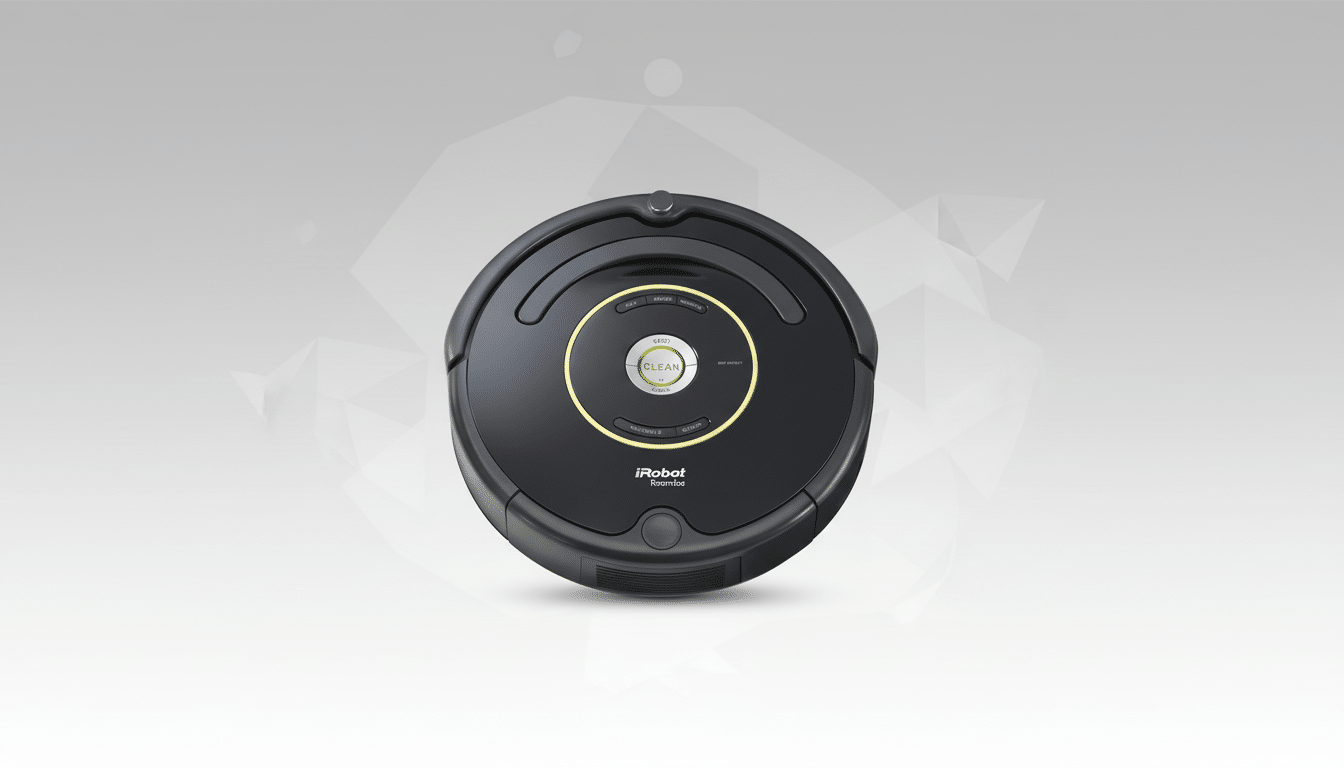
For context, iRobot still holds one of the most solid installed bases in U.S. robotic vacuums, with industry estimates putting its share somewhere in the low-40% range. It’s that scale that gives the company strong incentives — and leverage in court — to keep millions of active devices running.
What To Expect for Warranties, Repairs, and Returns
iRobot states that its warranties are being upheld. Chapter 11 assumed warranties are common and are specifically approved by the court to ensure customers are protected and brand value is preserved. If your product requires service, continue as if nothing has changed and be sure to provide proof of diagnostics, ticketing, and shipping. If you bought an item with a credit card that extends coverage, keep that paperwork as a backup.
Repairability continues to be a silver lining for devices out of warranty. Third-party parts for the brushes, filters, wheels, bins, and batteries are readily available for Roomba models. Independent repair resources and parts suppliers, such as popular DIY communities, can provide many fixes well beyond official warranty periods.
App, Cloud, and Smart Features You Can Still Use
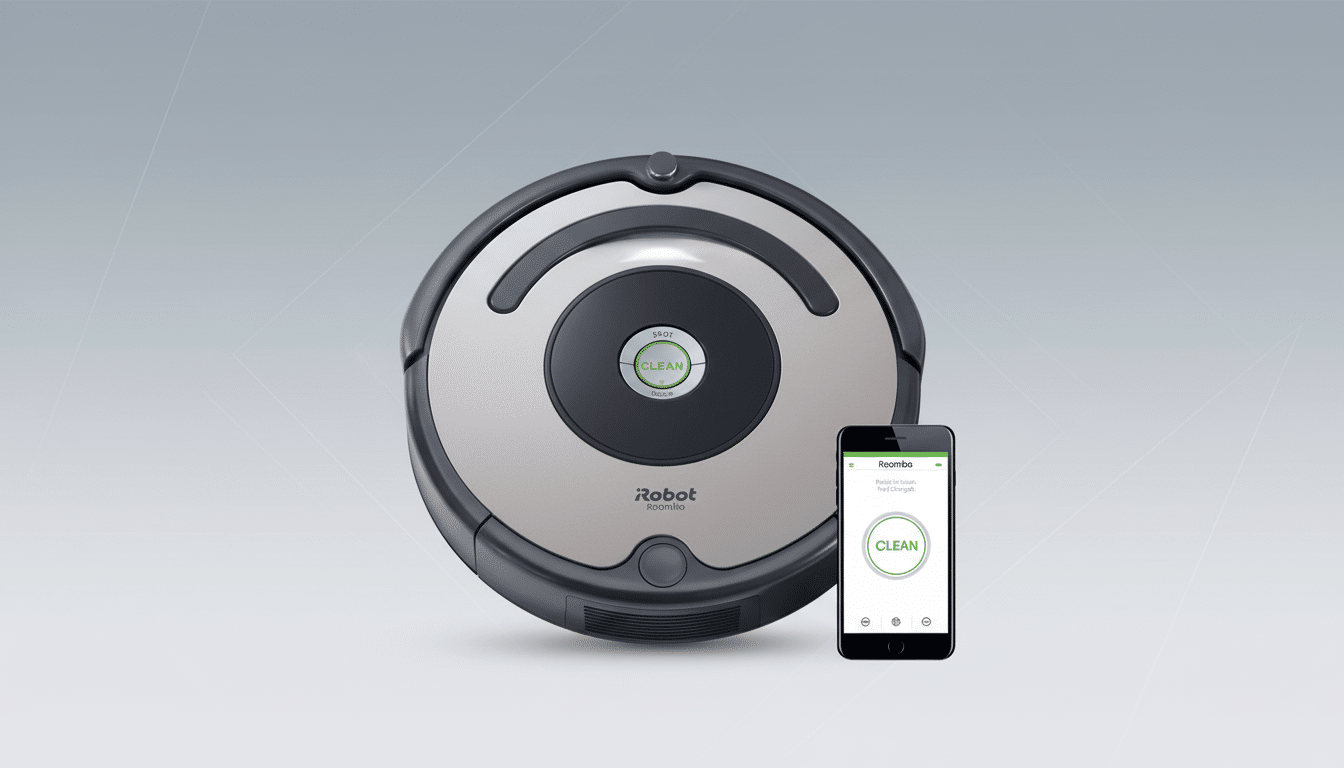
Maps, schedules, and voice integrations in the iRobot Home app should not be impacted. That includes basics such as specific cleaning regimens and room-specific targeting on mapping models, plus voice control through a variety of popular assistants. The company promised firmware and software updates would continue, an important factor for reliability and connectivity.
If you depend heavily on cloud features, opt for a belt-and-suspenders strategy: enable device-level schedules so that your Roomba can still run autonomously if its connection to your phone hiccups or dies, and securely save your Wi‑Fi network’s credentials and account details in case they’re otherwise lost. If the app is temporarily down, most Roombas are still capable of running basic cleaning cycles from the bot’s physical buttons.
Security and Software Updates During Restructuring
Internet appliances often require frequent firmware upgrades to ensure stability and security. iRobot’s management has underscored that updates will be provided during the restructuring. Install any firmware updates that may be available and keep your router updated for the best chance of success during this transition. Even if updates slow down at some point in the future, old Roombas will still keep vacuuming; the worst-case scenario would be incremental degradation of smart integrations, rather than core cleaning.
Parts, Consumables, and Availability During Chapter 11
Filters and brushes are consumables that you can buy directly from iRobot or through third parties. There are plenty of batteries, side brushes, rollers, and caster wheels for popular lines (600, i, j, s series), shielding owners from potential supply hiccups. Since Picea is iRobot’s primary contract manufacturer, continued manufacturing and the flow of parts are likely to be more stable during a restructuring with manufacturing continuity than in a standalone reorganization.
Practical tip: purchase a small buffer of consumables — enough for 6–12 months at your regular replacement schedule, not a multi-year stockpile — to protect against temporary delays without breaking the bank.
Data Privacy and Account Management for Roomba Owners
Data on mapping, cleaning history, and account details is subject to iRobot’s privacy policy, which the company said allows for sharing data in cases of corporate changes. If you’re privacy-minded, check your in-app settings and opt out of optional data sharing where possible, and consider deleting old maps you don’t use anymore every so often. Regulations such as GDPR and CCPA are still in effect, drawing a line on how personal data can be managed.
Is It a Good Time to Buy a Roomba Right Now?
If you’re already in the Roomba ecosystem, it makes sense to stick with it because there are guarantees about warranties and updates as well as manufacturing. New buyers who are mulling over models should take price protection and the return window offered by a retailer into account in case plans change, but there is no loud or obvious red flag that suggests store shelves might be at risk. Preservation-focused Chapter 11 restructurings can be a stabilizing move for a brand, as history has shown, and even result in an accelerated product roadmap after debt pressure is relieved.
Bottom Line for Owners: What to Do During Chapter 11
Your Roomba is not going to become a paperweight. iRobot says that the app, warranties, parts, and firmware updates will continue, and its manufacturing partner’s bigger role should ensure a steady supply. Take reasonable precautions — update the firmware, create local schedules, and maintain a small inventory of consumables — and then go ahead and clean as you typically would while the company completes its restructuring. For most owners the impact should be limited, at least in the short term.