


Apple looks to be lining up a long‑requested upgrade for iPhone owners who like Garmin, Huawei, Pebble and others more than they do Apple’s wearables. Strings found in internal iOS 26.1 beta indicate the feature being called “Notification Forwarding,” and that it will hand off (sorry) iPhone alerts to third‑party devices with screens (like a watch), from which they can be acted upon, based on analysis by Macworld.
If it ships as suggested — and not as a removal or a piece of software that changes what is possible — this would address a years‑long conflict: today iPhones can push notifications out to lots of accessories but have been limited in interactivity. Responses, dismissals, and even the trusty Lock Screen delivery have been spotty or banned altogether.
- What’s changing under the hood for third‑party wearables
- Why now: interoperability pressure and EU regulatory push
- Who benefits — and who may not — among watchmakers
- The legal context and market stakes for Apple and rivals
- Open questions and the likely rollout path for iOS features
- Bottom line: Apple may finally ease third‑party watch use
What’s changing under the hood for third‑party wearables
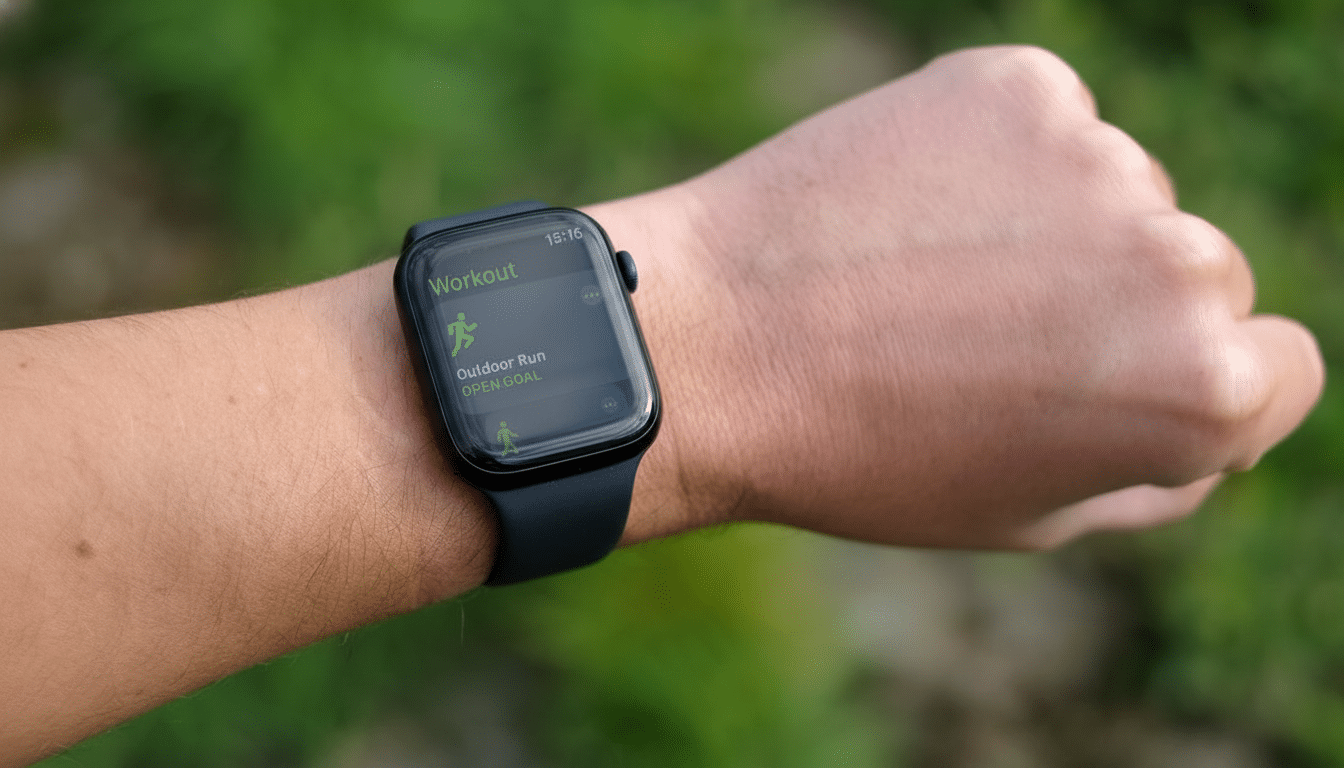
“Notification Forwarding” hints at a more pervasive, system‑wide conduit of sorts for third‑party wearables beyond basic mirroring. The beta code suggests that this will enable the platform to be more active for replying to texts and handling notifications just like Apple Watch users currently do.
Apple is also working on a new pairing and integration framework called “AccessoryExtension.” In reality, this could translate to simpler setup flows, more dependable background communication, or fewer of certain edge cases where notifications disappear when the iPhone is locked or hiding content on the Lock Screen.
One caveat might be present: the system looks tuned to having only one active companion at a time. In simpler terms, any paired Apple Watch would be kicked off from any linked Garmin or Pebble, meaning a user wouldn’t juggle two watches.
Why now: interoperability pressure and EU regulatory push
Apple hardly ever undermines its platform rules without a reason. The most aggressive push is in the Digital Markets Act, a proposed European law that compels “gatekeepers” to make sure that there are friendly rules to ease interoperability across different ecosystems. Earlier this year, the European Commission published specific mandates for cross‑platform features; failure to follow them can lead to fines of up to 10% of global turnover — a staggering amount for a company that enjoys hundreds of billions in revenue every year.
More, not less, flexibility for third‑party accessories would be in the spirit of that regulation. It would also continue Apple’s more general, if modest, embrace of openness with app distribution, default services and messaging standards.
Who benefits — and who may not — among watchmakers
Brands with popular iOS apps and strong hardware, like Garmin’s Fenix/Forerunner line or Huawei’s GT series, for example — have the most to gain. The fitness‑oriented athletes who gravitate toward advanced training metrics but happen to own an iPhone could at last have the option of interacting with message alerts and muting noisy threads from their wrist rather than pulling out their phone.
Community‑supported Pebble hardware could also get a new lease of life. Even just a few reliability and action improvements would make these sleek wearables feel fresh again on iOS.
Wear OS watches, however, may not see the same benefits. That’d move the software down a path optimized for giant improvements to accessories connected using Apple’s frameworks rather than for full‑blown smartwatch platforms from competing ecosystems. Unless Apple opens up those hooks to third parties generally, watches from Google and Samsung might continue to be second‑class citizens on iPhone.
The legal context and market stakes for Apple and rivals
Apple has been under legal scrutiny for allegedly restricting what third‑party wearables can do, such as a U.S. class action alleging that the company’s approach to notifications and watch functionality is anticompetitive. Even though lawsuits take time to unfold, changes in engineering that would make it easier for these devices to work well with one another could lower the regulatory and legal risk — without necessarily sacrificing some fundamental advantage of the Apple Watch.
Apple has dominated the smartwatch market worldwide over the last few years, accounting for about a third of overall shipments by some estimates from IDC and Counterpoint Research. Garmin often lags in low single digits but leads among endurance athletes. If iOS would make non‑Apple watches practical for everyday use, Apple can keep iPhone users happy and continue to protect the deeper health and ecosystem tie‑ins of the Watch itself.
Open questions and the likely rollout path for iOS features
Beta code is never a product roadmap. Cuts, delays, or regional restrictions are possible. Apple may start by making “Notification Forwarding” something that only works if you live in the E.U., tie it to certification programs, or make developer entitlements take time to be approved.
Developers will also need additional transparency around privacy protections, background execution limitations, and battery life impact. If the feature does indeed facilitate replies and dismissals from the wrist, Apple must ensure that it offers end‑to‑end protections at least on a par with what it provides for the Apple Watch.
Bottom line: Apple may finally ease third‑party watch use
Apple’s solution was to make the experience less compelling for iPhone owners who didn’t have an Apple Watch. If they ship, “Notification Forwarding” and the “AccessoryExtension” framework could change that calculus — getting iOS users something I’ve been envious of on Android with their mixed‑brand wearables, and still allowing Apple to tout its wearables as having the tightest integration with its own watch.