


I’ve held a hard line on iPhone upgrades for years: wait five cycles, then reassess. This time, the latest Pro model convinced me to break my rule—and I don’t regret it. Not because of shiny marketing or a new color, but because the sum of quiet, practical gains crossed a threshold that actually changes my day-to-day.
The Camera Leap I Could Feel in Everyday Photos And Video
The biggest reason was the camera system. After five years, the jump in image quality isn’t incremental—it’s obvious. Low-light shots at kids’ events no longer smear, group portraits look balanced without blown-out highlights, and skin tones are more accurate thanks to Apple’s continued work on its computational pipeline. On the larger Pro model, the 5x tetraprism telephoto lens (introduced recently on the Pro Max tier) finally delivers reach that makes a difference in the stands at a soccer game or during a school recital.
- The Camera Leap I Could Feel in Everyday Photos And Video
- Battery And Charging Finally Make Sense With USB‑C And Qi2
- Performance And On‑Device Intelligence Leap After Five Years
- Durability And Repair Matter More Than Specs
- Connectivity You Actually Notice With 5G, UWB, And Satellite
- The Price Question And Why Now Makes Financial Sense
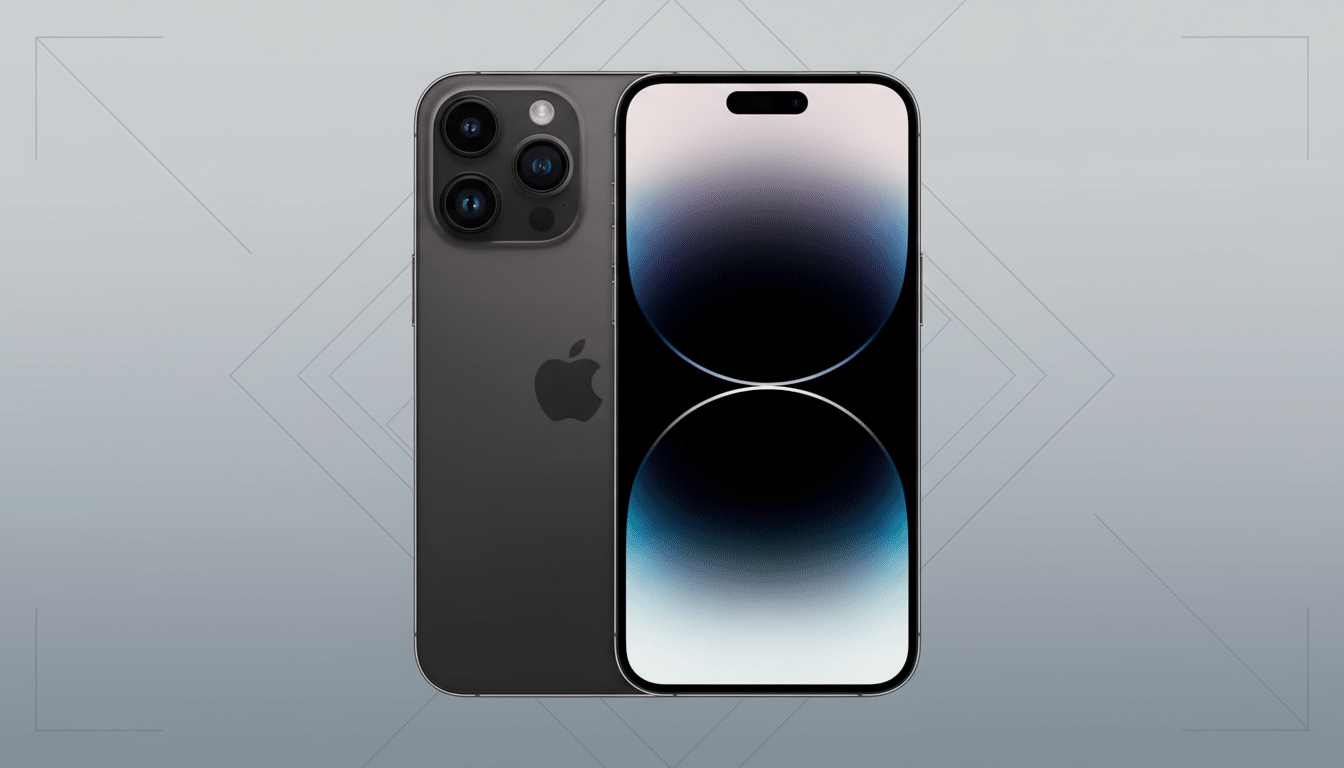
Independent labs such as DXOMARK have kept recent Pro iPhones among the top-tier for stills and video, and that shows in everyday use: stabilized 4K footage, cleaner night shots, and better subject separation in portraits. Importantly, these gains don’t demand pro-level effort; the auto modes are simply smarter than they were half a decade ago.
Battery And Charging Finally Make Sense With USB‑C And Qi2
USB-C was a tipping point. One cable now handles my laptop, earbuds, camera, and phone. On Pro models, the move to USB 3 speeds makes offloading ProRes clips or RAW photos to a drive practical instead of painful. With Qi2 wireless chargers becoming common, magnet-aligned 15W charging is more standardized across brands, which simplifies life at home and on the road.
Battery confidence also improved. Apple updated its guidance for recent iPhone batteries, stating they’re designed to retain 80% of their original capacity after up to 1,000 charge cycles—a doubling from prior generations, according to Apple’s own support documentation. In practice, I’m ending heavy days with more left in the tank, and I feel better about the device’s long-term health.
Performance And On‑Device Intelligence Leap After Five Years
Five years is an eternity in silicon. The latest Pro-class chip breezes through photo edits, 4K multi-cam video, and gaming without stutters that used to prompt force-quits. Benchmarks from outlets like AnandTech and Geekbench have consistently shown double-digit CPU and GPU gains year over year—stack those across five cycles and you feel it, especially when exporting media or juggling work apps.
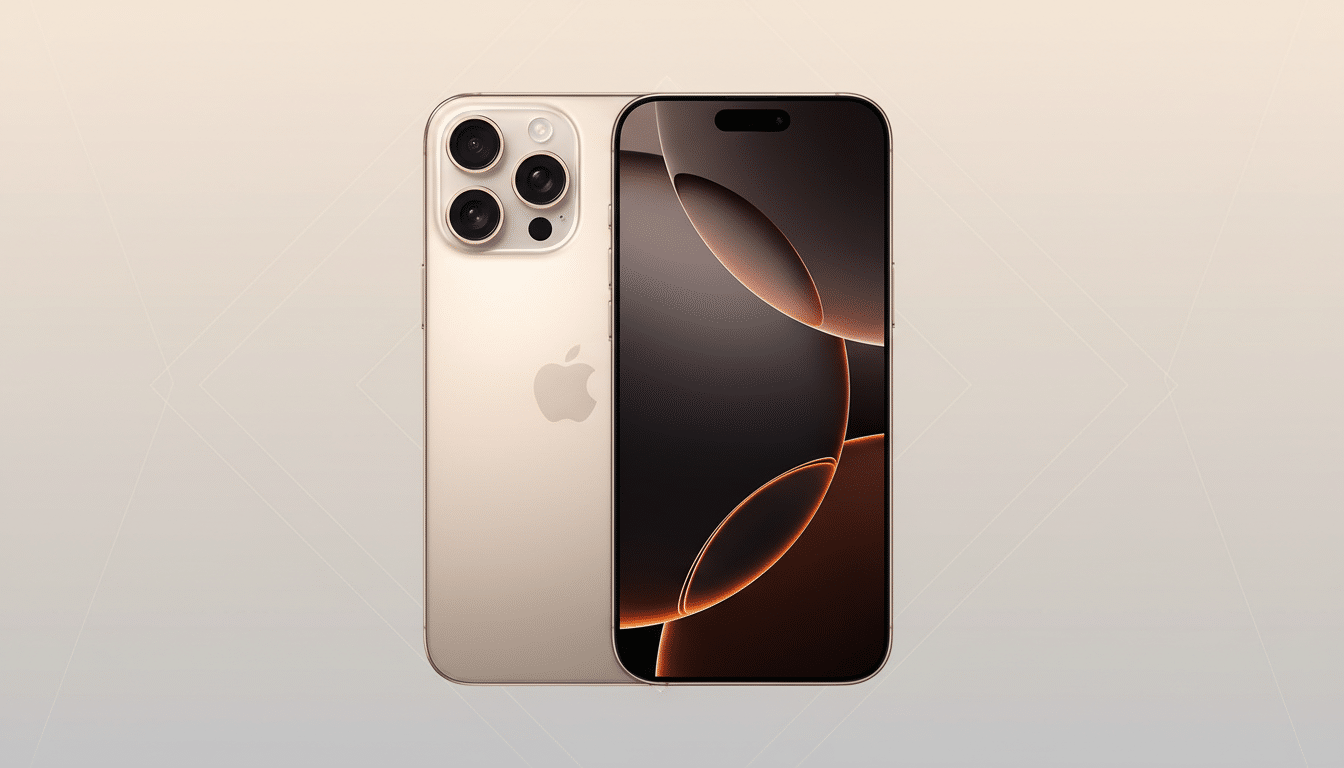
Then there’s the software side. Apple Intelligence in iOS 18 brings on-device writing tools, prioritization, and image features to supported hardware, with a privacy-first approach that leans on local processing and Private Cloud Compute. I’m not upgrading for AI tricks alone, but real examples—summarizing long group threads, cleaning up a draft email on the go, or generating a quick image for a presentation—save me time I used to burn on a laptop.
Durability And Repair Matter More Than Specs
The move to a lighter chassis with a tougher frame and refined edges has been underrated. After months of use, my phone shows fewer scuffs, and the improved grip reduces those heart-stopping slips. Ceramic Shield up front and IP68 water resistance are table stakes now, but they weren’t five years ago. Just as important, Apple’s revised internal architecture on recent models makes the back glass easier to replace, and third-party teardowns from iFixit have noted more repair-friendly designs compared with older Pros. That translates to lower repair costs and less downtime when life happens.
Connectivity You Actually Notice With 5G, UWB, And Satellite
Across five years, the radio stack matured a lot. Newer 5G modems deliver steadier speeds with better power efficiency than early implementations. Ultra Wideband improvements extend precision finding range for coordinating at crowded venues and sharing files with AirDrop. Satellite features such as Emergency SOS (and roadside assistance where available) provide a safety net I hope I never need—but value having.
The Price Question And Why Now Makes Financial Sense
Sticker shock is real, but the net cost was lower than it looked. Carrier promotions and trade-in values did the heavy lifting—iPhones historically retain resale value better than Android rivals, as trackers like SellCell and Consumer Intelligence Research Partners have shown. Spreading payments over time and rolling in a strong trade-in turned a four-figure phone into a manageable monthly line item.
If you’re on a three-year-old Pro and happy, you can probably wait. But if, like me, you’ve stretched to five years, the leap is tangible across the board: camera versatility, battery and charging sanity, performance that unlocks new workflows, sturdier hardware, and smarter software. I didn’t upgrade for novelty. I upgraded because, for the first time in a while, the latest iPhone changed what I can do with a phone—and how little I have to think about it.