


Apple is working to allow iPhone users in Japan to remap the side button so that it opens third-party voice assistants, a significant change from years of Siri-first hardware design. The feature was discovered in the iOS 26.2 beta code and is mentioned in new Apple developer documentation, which tells apps to “begin listening automatically when launched from this (button).”
How the iPhone side button will work in Japan with assistants
On iPhone today, a long press of the side button brings Siri online. (Users in Japan will soon also be able to assign that press to a “voice-based conversational app,” effectively what the idea sounds like: getting things like Google’s Gemini or Amazon’s Alexa answering as quickly as Apple’s assistant.) Apple’s developer guidance explicitly requests immediate availability and an active audio session, so users can start speaking straightaway.
- How the iPhone side button will work in Japan with assistants
- Why Japan is first to allow third-party assistant access
- EU Parallels and Interoperability Pressure
- What It Means for Siri and Its Competitors
- How iPhone users in Japan will set and use assistants
- What this change could mean for Siri, Apple and rivals
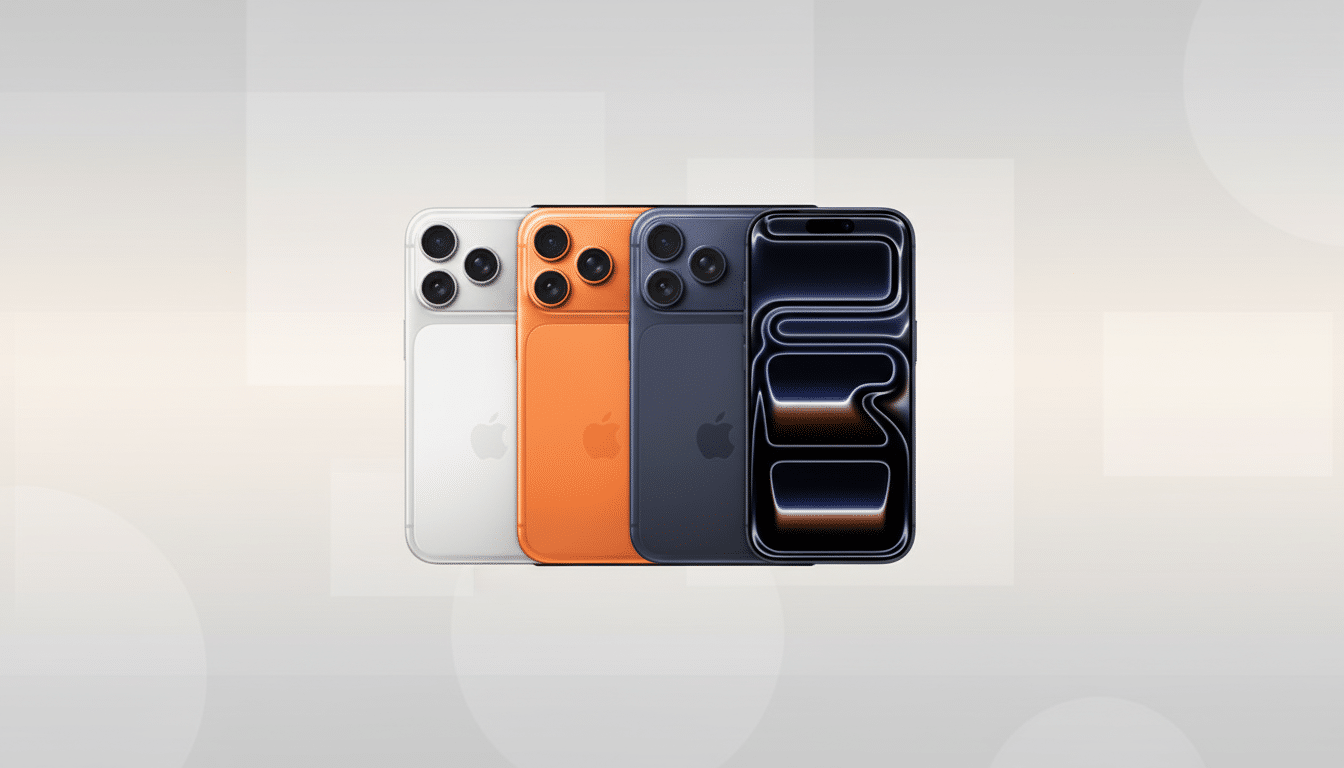
This is not just a nice switch, it’s another instance of third-party assistants getting first-class access to one of the hardware controls at the heart of Echo. In the past, Apple has reserved default roles for its own apps and services, but the side button opening suggests that core system pathways are beginning to become interoperable — if only in some regions.
Why Japan is first to allow third-party assistant access
The move is due to local legislation which will come into effect in 2025 and requires platform operators to offer customers more flexibility, MacRumors reports. Japan is a key market for Apple — research companies like Counterpoint have historically placed the iPhone as the number one selling smartphone brand, with an iOS share reported to be regularly higher than 60% in Japan — so compliance decisions in country can have outsized effects on user interactions.
Apple has not explained timing publicly, but the functionality may launch with iOS 26.2 if it continues to be tested. The move is part of a broader theme: Apple offers up iPhone defaults in cases where regulators seek realistic interoperability, and Japan seems to be the first place we’re seeing this in relation to voice assistants.
EU Parallels and Interoperability Pressure
The European Commission’s Digital Markets Act also sets similar standards. Among its interoperability guidelines the commission has urged gatekeepers to provide rival services with free, effective access to equivalent hardware and software capabilities that they themselves are not only able but also intend to use — including resources controlled by a virtual assistant. Apple is moving forward with plans to offer alternative payment options in EU member countries as well, according to a report from Bloomberg.
In practice, that would mean the side button pathway, audio capture permissions and wake flows have to be available to non-Apple assistants. Japan’s rollout provides an early read on how Apple might set this up in a way that protects privacy, performance and battery life.
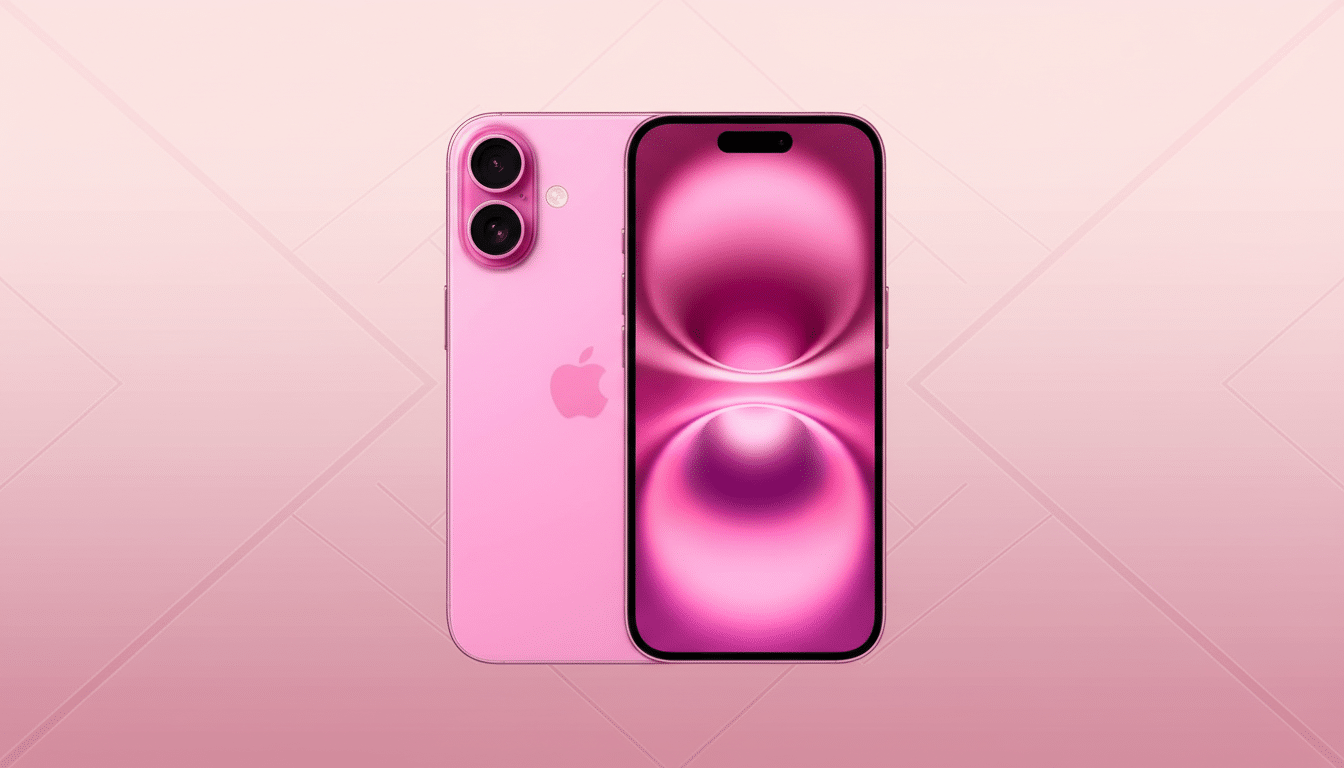
What It Means for Siri and Its Competitors
Siri isn’t going anywhere, but the competition on iPhone is changing. Handing rivals parity on the quickest voice entry point would prompt users to judge assistants based on responsiveness, accuracy and how deeply they can tie them into their favorite apps and services. [Read: Is it too late for Google to regain search market share from Amazon in Japan?] “Alexa’s position in the smart-home space and Gemini’s ability to spot-search triggers may attract different types of Japanese users,” cluster data shows.
From an Apple perspective, it really elevates the game of what Siri can evolve into. The company has been adding on-device intelligence and more conversational task management; the side-button opening could catalyze faster progress across reminders, messaging and app actions where assistants are increasingly graded.
How iPhone users in Japan will set and use assistants
Apple’s documentation says that when a third-party assistant is selected to be used by the side button, tapping and holding will launch that app and start listening immediately. Anticipate a settings path to choose the default, and clear cues when audio capture begins. Apple hasn’t explained how Siri will coexist — whether it’s a separate gesture or an on-screen control or even some kind of voice phrase — but the side button is where most of the action happens.
Developers must also do a good job of low-latency wake, reliable hot handoff to speech recognition and strong privacy disclosures. Assistants that can answer fast, tread coherently across tasks or tie into local services popular in Japan — payments, transit and messaging — will likely be the winners.
What this change could mean for Siri, Apple and rivals
For Apple to have allowed Japan to remap the iPhone side button is a significant opening of iOS. It’s a victory for user choice, a stress test for third-party assistants and a glimpse at changes that may come in other regulated markets. If Apple does this smoothly one day in iOS 26.2, the side button could be the next battlefront of assistant race — it started with Japan.