


Apple’s latest duo of flagships arrive at two ends of the scale, really — the wafer-thin iPhone Air all the way through to the powerhouse iPhone 17 Pro Max. I tested the two (from carrying them for work and travel to shooting dozens of photos and videos to pushing them with gaming and photo editing), so I can say these changes aren’t subtle. If you’re weighing which one to buy — and Americans have continued to eagerly buy them all — there is a clear favorite, though the Air’s appeal is undeniable.
Design and durability: ultra-thin build vs pro heft
And at 5.6mm thick, the iPhone Air is less than half the thickness of any previous iPhone, and it feels scarily light without feeling flimsy. Its Grade 5 titanium case resists flexing, while Ceramic Shield 2 on the front and Ceramic Shield on the back make it more resistant to scratches and reflections. It’s the rare ultrathin phone that doesn’t induce hand fatigue or stretch your pocket lining.
- Design and durability: ultra-thin build vs pro heft
- Displays and performance: size, brightness, and speed
- Cameras and creator tools: simple vs pro workflows
- Battery life and stamina: real-world endurance gap
- Connectivity, storage, and practicality for real use
- Price and value: weighing design against capability
- The verdict: the Pro Max wins, the Air charms
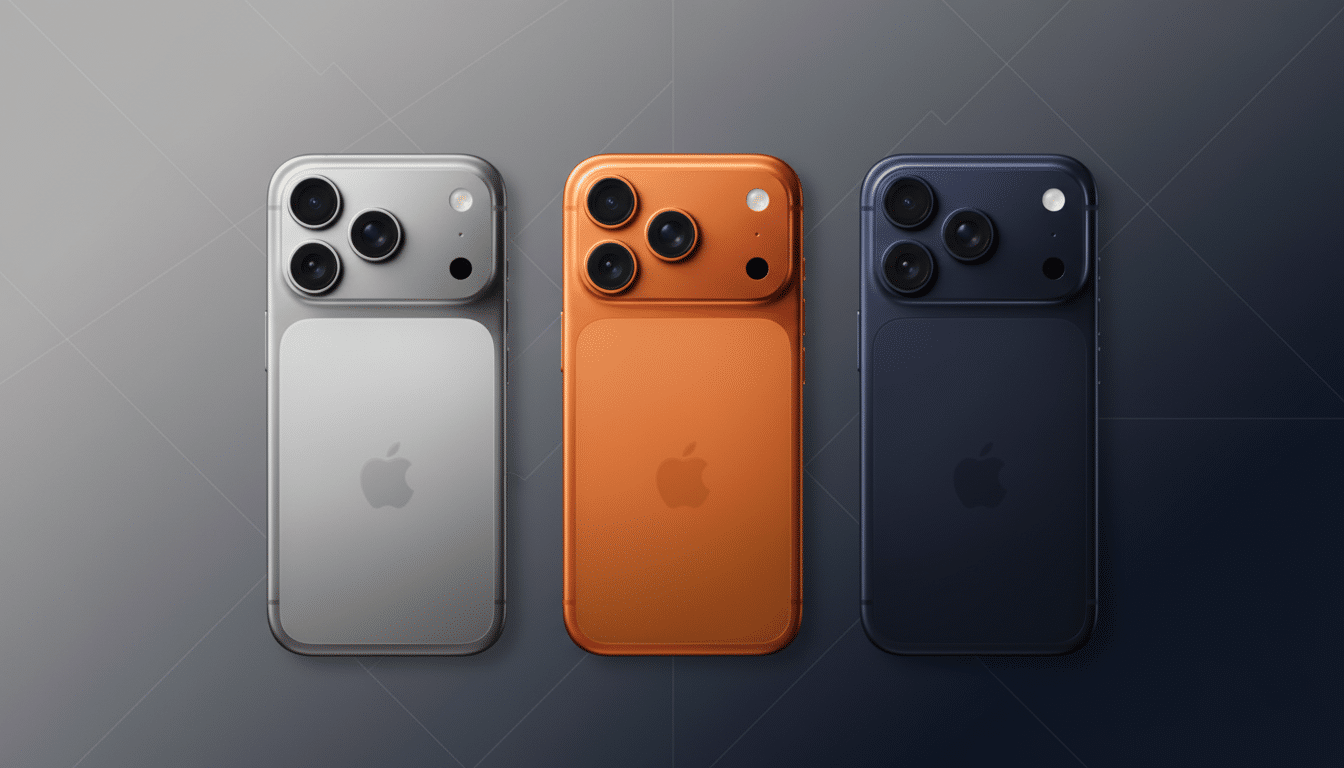
The iPhone 17 Pro Max, in contrast, is unapologetically big. You feel the extra mass — a bigger screen, bigger battery, more complicated camera system and new vapor chamber to keep thermals in check. It’s not a svelte silhouette, but it is designed for users who prioritize capability over minimalism.
Displays and performance: size, brightness, and speed
Two phones, one Super Retina XDR panel with ProMotion that supports up to 120Hz for buttery flicking through your feed or gaming with fast response times. By modern standards, the Air’s 6.5-inch screen is practically compact, while the Pro Max’s 6.9-inch canvas caters to creators, gamers and commuters who like to watch a lot of video. Apple says the Pro Max hits an eye-searing 3,000 nits of peak brightness and out in direct sun it maintains legibility better than its Air counterpart.
Both are running on the A19 Pro, so for single-core and bursty tasks, they feel about as snappy. Divergence becomes evident under constant load. Pro Max’s vapor chamber cooling helped performance stay a bit more stable in my testing during extended 4K recording and long gaming sessions. Thermal headroom does matter if you work your phone hard; the Pro Max simply has more of it.
Cameras and creator tools: simple vs pro workflows
On the other hand, the Air is focused with a smarter simplicity: one 48MP Fusion main camera with simulated focal length options, plus an upgraded 18MP Center Stage selfie shooter that wisely crops subjects into landscape or portrait frames. It is point-and-shoot friendly and gives you crisp, balanced files without menu diving.
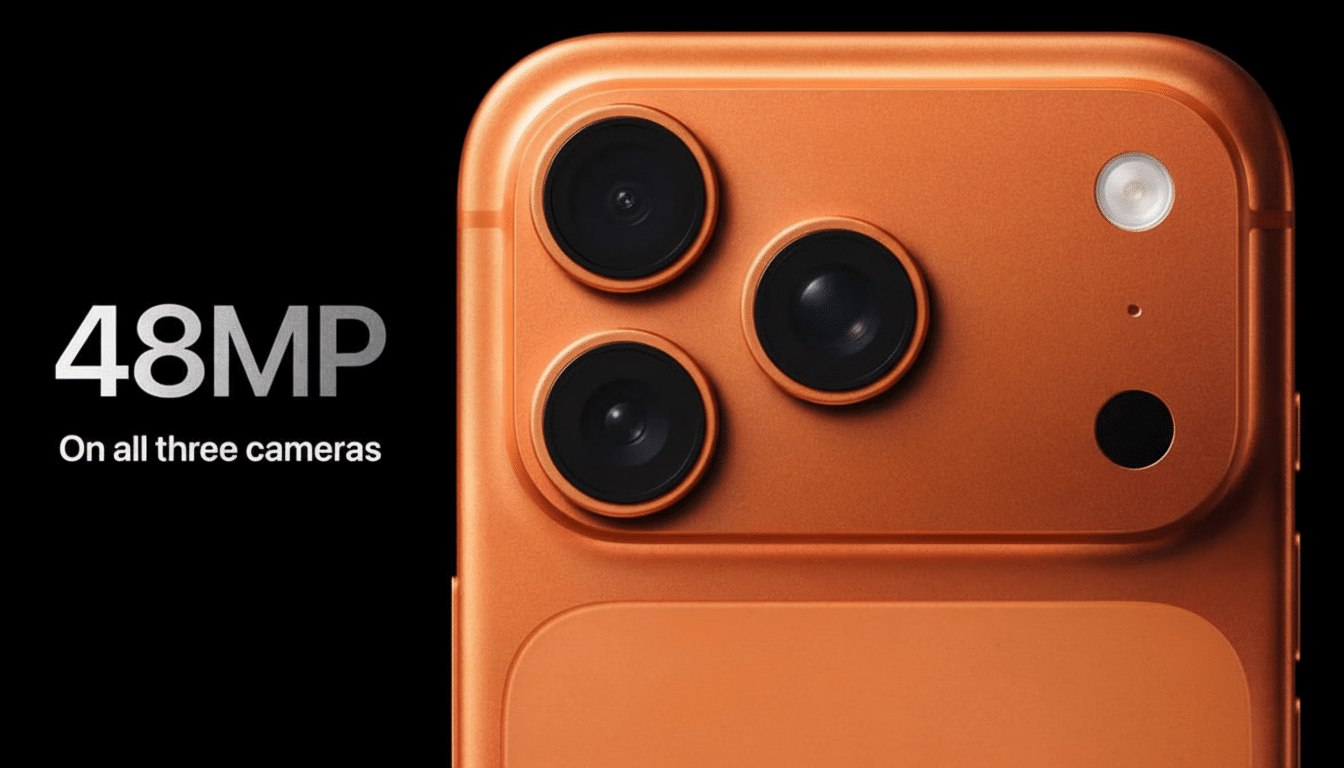
The iPhone 17 Pro Max pairs a 48MP Fusion main with a 48MP Ultra Wide and 48MP telephoto, giving you true optical flexibility. And it’s not just lenses; it’s pipelines. Multi-camera synchronization and professional workflows are possible through support for ProRes RAW, Log 2 recording for versatile post-production, and genlock. Documentary shooters and social teams will recognize the features from cinema rigs — now standard on a phone. Media pros I’ve talked to echo the same takeaway: This is the first iPhone you could use as an A-cam for controlled scenarios.
Battery life and stamina: real-world endurance gap
Where the difference widens is in battery life. Apple claims the Air gets up to 27 hours of video playback, while the Pro Max gets up to 39 hours. Translation after a week of actual use: the Air makes it comfortably all day with mixed tasks, while the Pro Max is the road warrior — late-night flights, navigation, hotspotting and still juice to spare.
The Pro Max also needs to be recharged less frequently, so you won’t reduce battery life over the long haul. That headroom changes behavior for anyone who edits or shoots on-the-go — you shoot more because you’re not rationing power.
Connectivity, storage, and practicality for real use
The iPhone Air goes eSIM-only, a space- and industry-saving trend. According to studies by GSMA Intelligence, most of the leading carriers in North America and Europe now support eSIM technology and uptake is increasing in Asia and Latin America. If you regularly switch between physical SIMs when globe-trotting, take note; otherwise, eSIM is a non-factor and speeds up activation.
Storage tiers reflect target users. Both start at 256GB, but the Pro Max scales up to a whopping 2TB — a great asset for ProRes RAW and 4K60 libraries that have a tendency to balloon in size. Counterpoint Research’s analysis has always shown that the premium phones make the bulk of industry profits, and it’s partly big-ticket features like high-end storage and pro video tools that draw power users to buy the most expensive models.
Price and value: weighing design against capability
The iPhone Air is $999; the iPhone 17 Pro Max costs $1,199. The Air’s value is its design: it’s minimal, crazy thin and refreshingly straightforward. The value of the Pro Max is capability per dollar — screen real estate, camera capabilities, thermal headroom, battery life and professional file formats that obviate the need for a second gizmo.
The verdict: the Pro Max wins, the Air charms
If you’re looking for a super-slim premium iPhone that gets the basics right in style, then the iPhone Air is great fun. But if you’re wondering which is the better phone for most people — and especially creatives, heavy multitaskers or those who care about longevity — I have to give it to the iPhone 17 Pro Max. It has a longer life, runs cool under load, shoots more flexibly and scales up into professional workflows without missing a beat. That’s the difference between slick and full.