


Apple has narrowed the gap between its mainstream and flagship phones, but one camera spec still splits the iPhone 17 and iPhone 17 Pro into two very different tools. After weeks of back-and-forth testing, the Pro’s telephoto system proved to be the deciding factor — not on spec sheets, but in the photos you bring home.
Why One Camera Spec Matters So Much for iPhone 17
The iPhone 17 Pro adds a dedicated 48MP telephoto that delivers up to 8x optical magnification and 40x digital, pairing it with 48MP Main and Ultra Wide sensors. The standard iPhone 17 uses a dual-camera setup without a true telephoto, topping out at 2x optical and 10x digital. That single hardware change alters everything about reach, perspective, and detail.
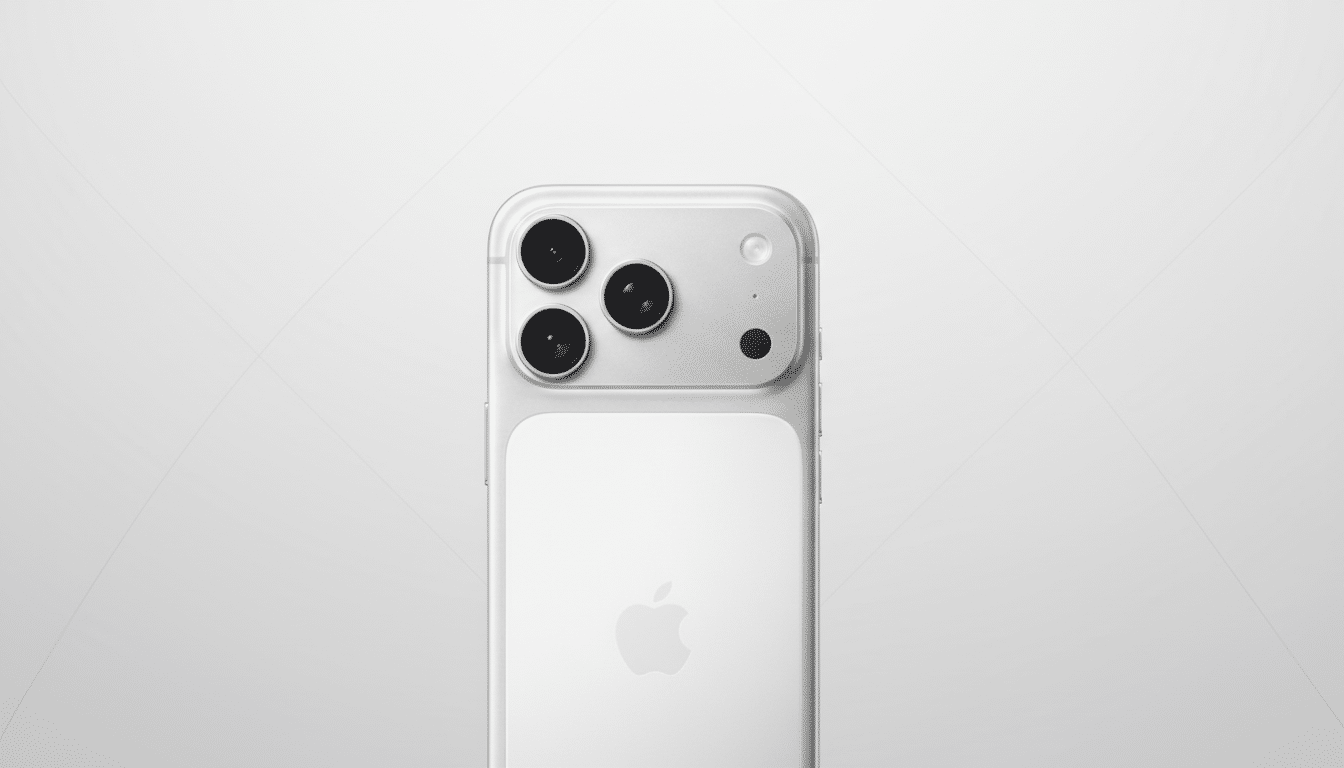
Optical zoom relies on glass, not cropping. Imaging engineers and labs like DxOMark have long shown that optical magnification preserves native resolution and contrast while digital zoom compounds noise and sharpening artifacts. In simple terms: the Pro’s lens gets you closer without destroying fine detail.
Real-World Zoom Results: iPhone 17 vs. 17 Pro
Take a skyline two bridges away. On the iPhone 17 at 10x digital, window frames soften and brick textures smear when you crop in. With the iPhone 17 Pro at 8x optical, those same windows remain clean, and power lines stay defined against the sky. Cropping from the Pro’s 48MP telephoto still yields usable, editorially acceptable shots; cropping from the 17’s digital zoom rarely does.
Low light underscores the difference. The Pro’s larger telephoto sensor pulls in more light, giving you more faithful color and steadier exposure at dusk. Apple’s computational pipeline — including Smart HDR and Deep Fusion — benefits from better native signal, which is why the Pro holds onto shadow detail and avoids the watercolor look that digital zoom can produce in dim scenes. IEEE Spectrum has written extensively about how sensor size and true focal length improve signal-to-noise at higher magnifications.
The practical upshot is reach. Moving from 2x to 8x optical is a 4x increase in true magnification. That’s the difference between capturing a player’s eyes from the sidelines and a vague face in motion, or between a legible street mural across the avenue and an abstract splash of color.
Portraits, People, and Perspective Compression
Telephoto isn’t just for faraway subjects. Portrait shooters have long favored the 85–120mm equivalent range because stepping back and zooming in “compresses” facial features, avoiding the wide‑angle distortion that can exaggerate noses and shrink ears. The iPhone 17 Pro’s telephoto mimics that look, delivering more natural proportions and easier subject isolation.
Yes, the iPhone 17 can simulate background blur with Portrait mode on the Main camera, and it does a solid job. But the Pro’s optical compression and shallower depth of field give you cleaner hair edges and fewer software errors around glasses, foliage, or complex patterns — the small details that make a portrait feel professional rather than processed.
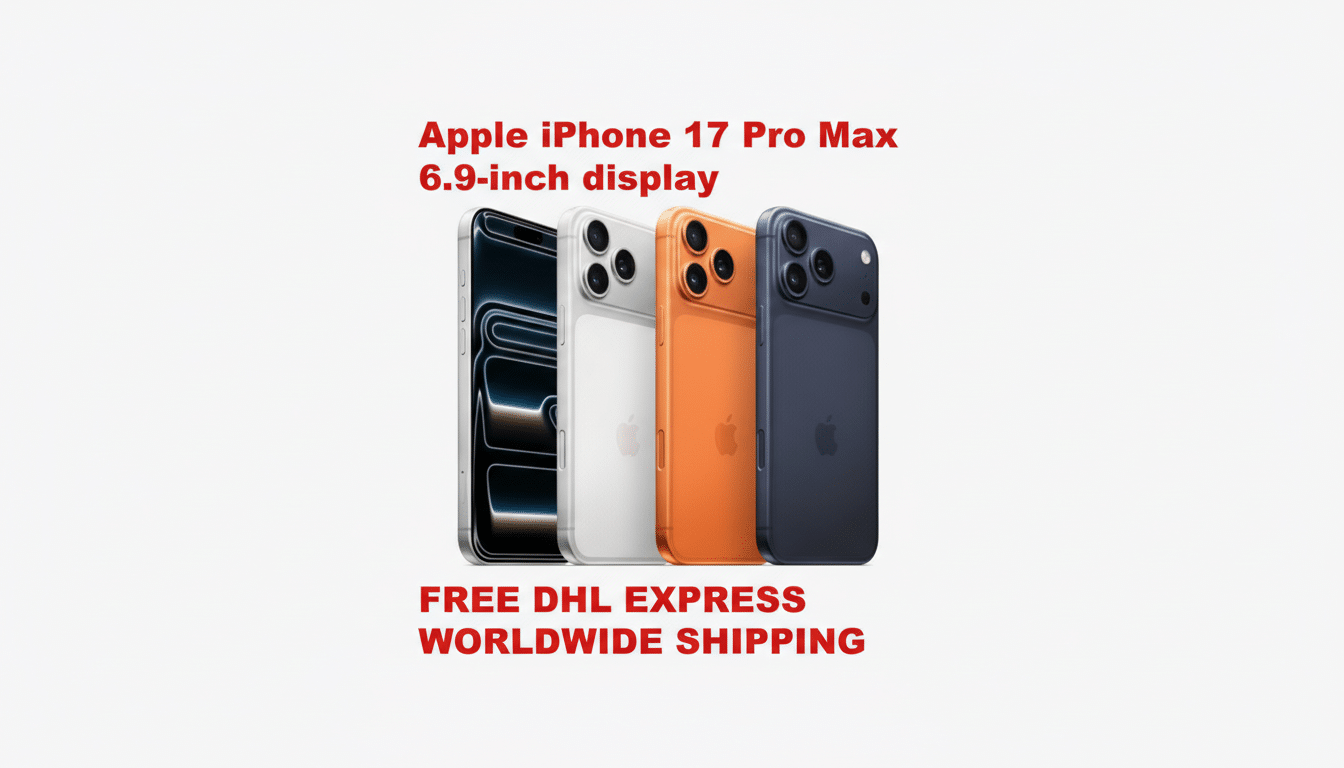
Video reach and stabilization on the iPhone 17 Pro
For video, the telephoto pays off at concerts, sports, and wildlife. Stabilization has less work to do when the image isn’t aggressively cropped, so footage at 6–8x on the Pro looks steadier and more detailed than 6–8x on the 17, where digital zoom amplifies handshake and shimmer on fine patterns. Reviewers at organizations like Consumer Reports have noted similar differences in long-zoom video across phone tiers.
If you shoot handheld 4K and rely on Action mode or advanced stabilization, starting with true optical reach helps preserve texture in fabrics, signage, and facial features that would otherwise melt under heavy digital processing.
When the standard iPhone 17 is enough for most users
For everyday snapshots — food, family at arm’s length, pets on the couch — the iPhone 17 is excellent. Its 48MP Main camera bins down for bright, clean 12MP images, and the 2x crop from that sensor stays crisp. Apple also brought premium perks like ProMotion and an Always‑On display to the standard model, making it feel far less “entry-level” than in years past.
The limits show up when you can’t move your feet. School plays, parades behind barricades, cityscapes across water, architectural details on rooftops — these are the moments that expose the gap between digital reach and a real telephoto.
Verdict: Which iPhone to buy for photography
If you regularly shoot travel, sports, wildlife, or portraits beyond arm’s length, the iPhone 17 Pro’s telephoto is not a luxury; it’s the difference between posting and printing. The upgrade cost is meaningful, but so is the jump in keeper rate at 4x–8x. If most of your photos live at 0.5x–2x and you rarely zoom, save the money — the standard iPhone 17 will delight you.
The broader market backs this up. Samsung’s decision to keep 3x optical zoom on its mainstream flagships shows how valuable true telephoto has become to everyday users. Apple’s standard model is closer than ever to Pro territory, but until a dedicated telephoto arrives on the baseline, the iPhone 17 Pro earns an easy camera win on the strength of one spec that changes everything.