


I spent a week using Apple’s iPhone 17 Pro Max and Google’s Pixel 10 Pro XL for both everyday life, camera stress testing, and comparative performance checking. Both of them are outstanding flagships, but they’re coming at “premium” from very different angles: Apple is doubling down on raw power and pro-grade video, while Google is leaning heavily into practical AI and computational photography. Here’s where each makes gains — and which phone is ultimately victorious.
Performance and thermals during intensive workloads
In my five days I spent with the iPhone 17 Pro Max it was very rare that a loading screen did not immediately vanish, and apps flickered into life even when there were many open. Apple’s vapor-chamber cooling system keeps throttling at bay after several hours of 3D gaming and 4K editing. Apple says sustained performance is up by around 40% over the prior generation and in my testing that translated into steadier frame rates and faster exports under duress.
- Performance and thermals during intensive workloads
- Cameras and video quality for creators and users
- AI features and software experience in daily use
- Display quality, battery life, and charging performance
- Storage capacity, connectivity options, and ecosystems
- Price, long-term value, and overall cost considerations
- The verdict: One phone comes out ahead, but know your priorities
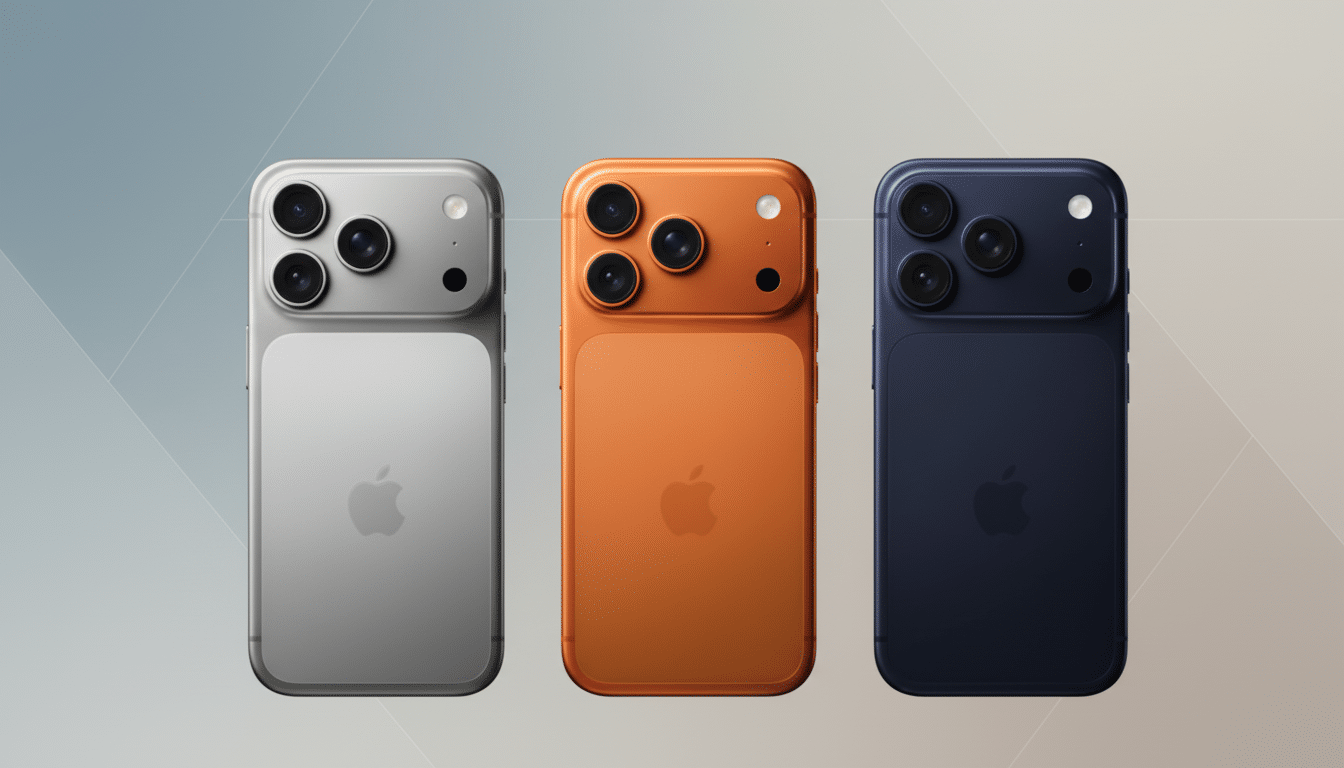
The newest “Tensor” platform from Google is purpose-built for on-device AI and it shows in swift voice actions, intelligent transcription, and background tasks that feel instant. But when you push GPU-heavy workloads, the Pixel 10 Pro XL falls behind Apple’s brute-force power. If you’re going to be gaming hardcore (or pro app-ing) all day, the iPhone is just a more reliable performer.
Cameras and video quality for creators and users
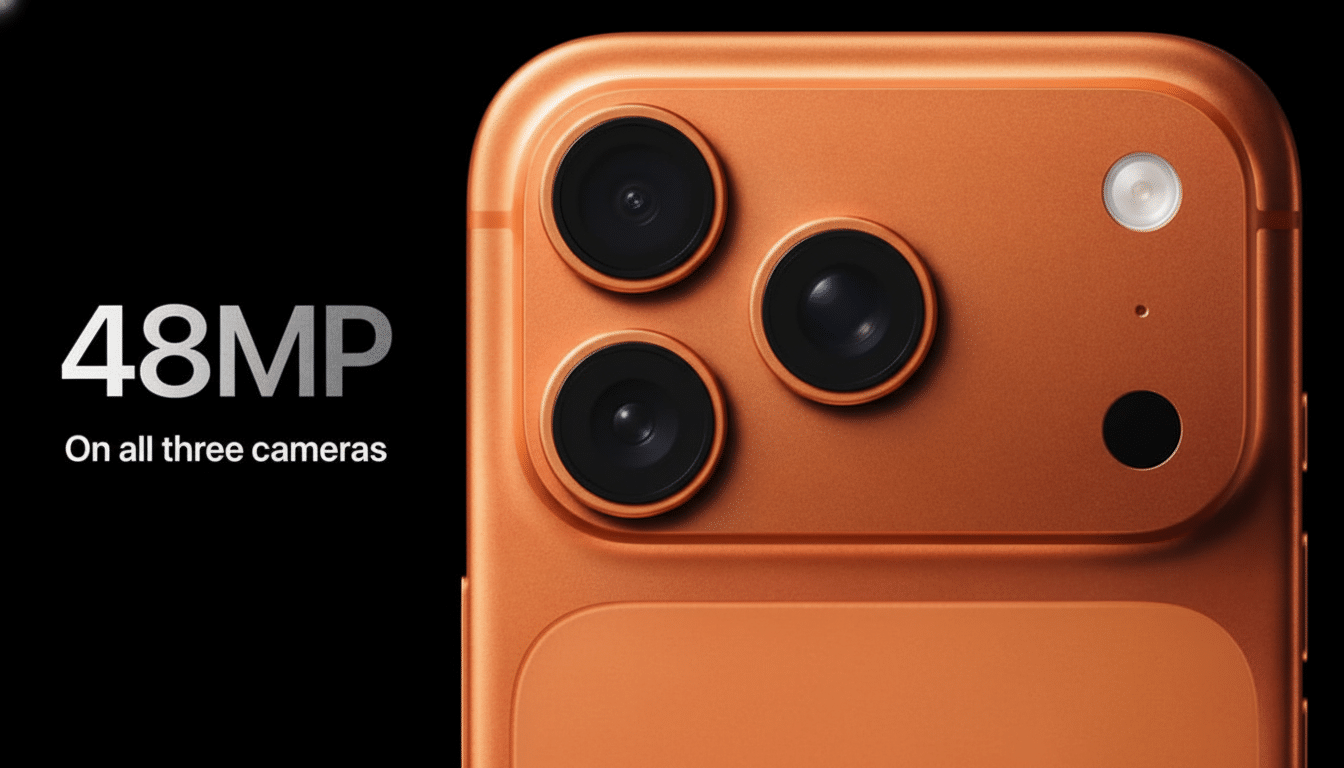
All of Apple’s camera upgrades are about the creator. ProRes RAW recording means that you don’t have to bake in heavy processing, giving you a more flexible edit and transportable files better suited for grading and matching footage with other mirrorless or cinema cameras. Combine that with rock-solid stabilization and the iPhone 17 Pro Max becomes a pocketable B-cam people would actually want to cut to.
The front camera receives some significant love too: an 18MP sensor that also has a wider field of view and smarter auto-framing to help vloggers and selfie shooters compose cleaner, more versatile shots. If you spend your life in Final Cut, Premiere, or DaVinci Resolve, the iPhone is a superior video camera. So, not surprisingly, when I speak with other mobile filmmakers, they keep one in their kit simply for its reliability.
Google counters with the most forgiving stills camera on a phone ever. The triple-lens system of the Pixel 10 Pro XL relies on sophisticated computational razzmatazz to clean up noise, recover detail, and balance tricky lighting. Extended-range shots gain from improved Super Res Zoom, which uses learned priors to diminish artifacts — architecture, signs, and cityscapes look more natural at distances where a lot of phones end up smudging fine detail. Best Take can also combine expressions to enable group shots on the first attempt. In side-by-side stills, the Pixel’s out-of-camera JPEGs win more frequently with less work.
Third-party photographers like DxOMark, however, have praised Pixel devices for photo consistency while rating them middle of the pack or higher for video fidelity throughout most of Apple’s tenure. That divide stands here: stills to Pixel, video to iPhone.
AI features and software experience in daily use
This is Google’s wheelhouse. The Pixel 10 Pro XL borrows lovely design ingredients from across the Android phone maker cookbook, and layers so much truly helpful AI throughout the experience: text-guided photo edits that feel like real tools rather than party tricks; on-device summarization of voice notes and web pages; and proactive suggestions that dig up flight details, booking info, or reminders when you need them — not as nags. Call Assist, Hold for Me, and enhanced spam filtering continue to elevate the bar on phone features that conserve time throughout your daily life.
Apple’s approach is more conservative. iOS 26 extends the visual polish of liquid-like design language and more seamless integration between devices, with on-device intelligence that’s placidly improving. But when it comes to the daily real world of AI, Google is in the lead. I don’t remember asking the phone to be smarter. If you desire the smartest assistant behavior and least manual finger-funniness, then right now the Pixel is the most helpful phone.
Display quality, battery life, and charging performance
Both phones serve up bright, color-accurate OLED panels with high-refresh rates that make scrolling and gaming feel like silk. Apple likes chasing absolute calibration — think reference-class color targets, the kind labs like DisplayMate tend to fawn over — whereas Google prefers adaptive tuning that flatters photos and UI elements. In the great outdoors, both are readable in intense sunlight.
In terms of battery life, the iPhone will last a little longer with heavy use. Efficient silicon and better thermal design enable it to push through long days of camera, GPS, and messaging without panic. The Pixel comfortably goes a full day with a normal load, and adaptive battery management is still one of the best at that, but extended loads will run it down quicker. Both phones have competitive charging speeds and offer wireless and reverse wireless charging.
Storage capacity, connectivity options, and ecosystems
The iPhone 17 Pro Max will come with support for up to a huge 2TB of storage that creators can utilize. That’s overkill for most, but essential if you shoot ProRes or maintain a huge media library offline. The Pixel 10 Pro XL maxes out at 1TB, which is still pretty generous.
Both have modern radios — 5G, Wi‑Fi 7, and ultra-wideband for finding devices with incredible precision. Where they differ is in ecosystem gravity. If your entire life operates around and with AirPods, Apple Watch, AirDrop, and continuity features, the iPhone takes these small conveniences and makes them into a big win. Google’s cross-device story is getting stronger (or at least more coherent) with Fast Pair and Nearby Share. Android’s ecosystem partners are the best in class if you live in Google services, Docs, and Photos. Neither is better or worse; they’re just different flavors of lock-in.
Price, long-term value, and overall cost considerations
The iPhone 17 Pro Max can get eye-wateringly pricey at the top of the range — go for a 2TB model and it edges up toward $2,000. That said, it historically recoups more on resale than most Android runners-up, in studies from firms like Counterpoint Research, so this is less of a blow to the annual upgraders.
Pixel prices are generally more aggressive, especially when Google unleashes regular promos. The Pixel 10 Pro XL offers elite cameras and cutting-edge AI for less than you’d expect, if you’re willing to deal with some quirks.
The verdict: One phone comes out ahead, but know your priorities
If you shoot tons of video or game hard, or if you need ironclad sustained performance, the iPhone 17 Pro Max is the superior flagship. Its pro workflows, stamina, and harmony with the ecosystem mean it’s the device I would rely upon for challenging days. That’s my overall winner.
If your priorities are smarter everyday assistance, more forgiving still photos, and better value, the Pixel 10 Pro XL is the more delightful partner. It is the phone that reduces friction in small moments dozens of times a day — and it adds up. No wrong answer here, but the iPhone is likely to edge it for most power users and creators.