


Apple’s next headlining keynote will focus on the iPhone 17 family, and there are strong indications that a slimmer “Air” model may also make the lineup. And count on Apple to play to its hardware playbook — design, cameras, performance — while wearning in some updates to its watches, earbuds and the software that brings it all together.
iPhone 17 lineup: thin spread
There are a few reports that the next iPhone will be ultrathin and in line with the MacBook Air philosophy, including reliable guidance from Bloomberg’s Mark Gurman. A lighter, flatter frame would be Apple’s most dramatic design pivot in years, but major slimming often comes with compromises to battery life and thermal headroom. Keep an eye out for the way Apple handles endurance, if an “Air” line gets into the mix with the iPhone 17, 17 Pro, and 17 Pro Max.
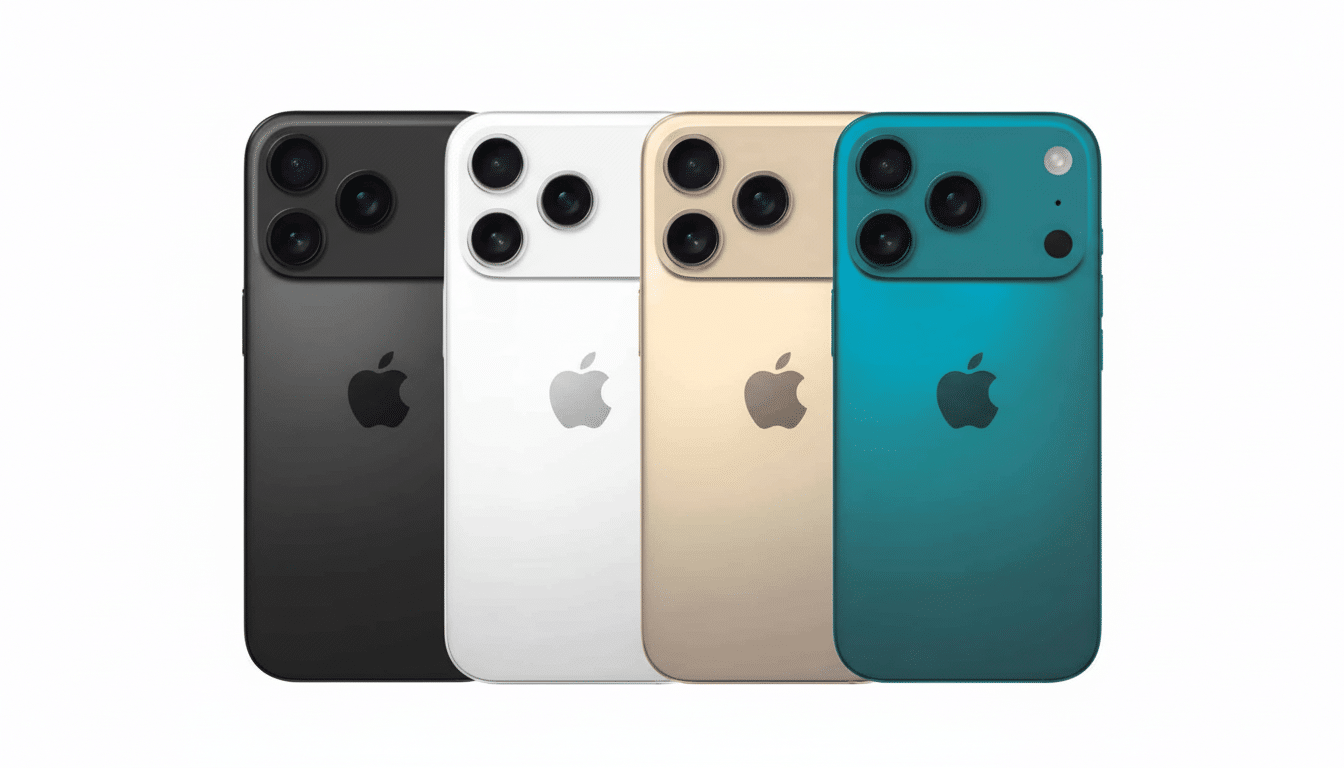
Pro models need to retain their camera and specs edge. The rumormongering mill has homed in on a new orange-toned finish for the Pros, and the color treatment on an invite has fans speculating. Beyond that, expect Apple’s standard recipe: improved sensors and lenses along with deeper computational photography and a new generation of silicon designed to enable speedier on‑device machine learning.
One functional change to keep an eye on here is connection. Apple has been the real driver for eSIM adoption over the last couple of years, and taking physical SIM removal to new places would allow easier designs as well as free up internal volume for other components. Industry data makes the focus on meaningful changes more clear as well: CIRP notes that U.S. iPhone owners now tend to hang on to their devices for around three years on average so visible improvements are critical to drive new purchases.
Pro cameras and performance: where Apple pushes
Apple usually keeps its most ambitious camera moves for the Pro line: larger sensors, smarter HDR pipelines, longer‑reach telephoto options. Listen up for assertions surrounding low‑light capture, motion freezing, and color consistency across lenses—those are where Apple’s had its fists in puddings in recent cycles. And if the company boasts of a beefed up image signal processor and neural engine, get ready for fuller‑fat ProRAW and ProRes workflows and faster night shooting.
On the performance end, a new chip is expected to deliver efficiency as much as speed. This typically means steadier frame rates in more sustained tasks and cooler thermals while under load. A next‑gen cellular modem would also be a key battery life deliverable, particularly on 5G. IDC’s new vendor rankings have Apple juggling crown‑wearing with peers on a quarter‑by‑quarter basis globally, which is a reminder that foundational advantages, rather than flashy demos, matter if you’re looking to stay in the mix.
Apple Watch and AirPods: small steps for you
The wearables lineup is expected to comprise Apple Watch Series 11 and an Ultra device. Last year’s Ultra changes were mostly cosmetic; this time around, anticipate endurance tweaks, a brighter display and sensor refinements. Apple tends to make hardware tweaks in concert with fitness and safety features — say, more precise GPS tracking during mixed-terrain workouts or a broader range of parameters for safety check‑ins.
AirPods Pro need an update. The Apple-verse has reported on potential improvements to noise cancellation, voice isolation, and health‑adjacent features like temperature or heart‑rate sensing. Even without new sensors, improved drivers and adaptive audio algorithms would at least move the needle for commuters and frequent flyers.
Will Apple tease a foldable?
Rivals have matured their foldable offerings, and Apple is widely rumored to be cooking up an offering of its own. Bloomberg has reported on a prototype phase device that is, we hear, tablet‑like when unfolded and code‑named internally, and may turn to eSIM with a different biometric solution beyond Face ID once it does. We’re unlikely to get a full reveal, but if we could have a quick, “one more thing”‑like wink, it might stand for Apple’s conduit for entry into a category it has, until now, avoided.
Where Apple’s AI fits
Apple will flex on‑device intelligence as a privacy‑first advantage — summarization, image editing, and personal context features that work off your device’s new silicon. The company has looked into working with outside model providers, such as OpenAI and Anthropic, for some use cases, but again, the keynote focus will probably be on practical, system‑level features that feel native across iPhone, iPad, and Mac rather than just headline‑grabbing demos.
When is the iPhone 17 release date and how can I watch?
You can watch the keynote stream directly from apple.com on a modern desktop browser as well as on iPhone, iPad, Mac, and Apple TV hardware products using the Apple TV app, and on Apple’s official YouTube channel. If you desire to set a reminder for the show, you can do so on YouTube by clicking “Notify me”; the stream generally opens early, and you can test the sound and video quality before the show.
For the best experience, you should update the Apple TV app and sign in on your primary device with a wired connection or strong Wi‑Fi. YouTube frequently has multiple quality options, so pick the highest one your internet connection can handle. YouTube has live captions, and Apple makes a full replay available shortly after the keynote concludes.
Smart viewing checklist
Remember the battery life claims for the entire lineup, display brightness and refresh rate, new materials discussed, and repairability advancements such as modular glass or more manageable battery service during the presentation. Pricing, regional availability, and the schedule for rolling the software out generally come at the end — those crucial pieces of information that make or break the decision to upgrade now or hold out.
Apple’s iPhone debuts have led the way for the entire smartphone industry. If the company does indeed deliver a thinner flagship without too much pain — and matches it with serious camera and battery gains — then the iPhone 17 generation could stand as Apple’s most significant hardware leap in years.