


Apple’s iPhone 17 range will deliver substantial battery bumps with the top-end model to finally break the 5,000mAh barrier, a new leak states. The numbers, posted by leaker ShrimpApplePro and spotted by MacRumors, are supposedly derived from Chinese regulatory filings that usually give a sneaky peek at final hardware specification before the device is ready for sale.
The leaked capacities by model
The papers show that the iPhone 17 Pro is rated at 3,988mAh if it has a physical SIM tray and 4,252mAh for the eSIM-only model. The iPhone 17 Pro Max is said to have a 4,823mAh capacity (with SIM tray) or 5,088mAh (eSIM-only). The iPhone 17 Air, rumored to exist, is supposedly packing 3,036mAh with a SIM tray or 3,149mAh without one, and the conventional iPhone 17 is apparently 3,692mAh with a single capacity given, but the SIM status is unknown.
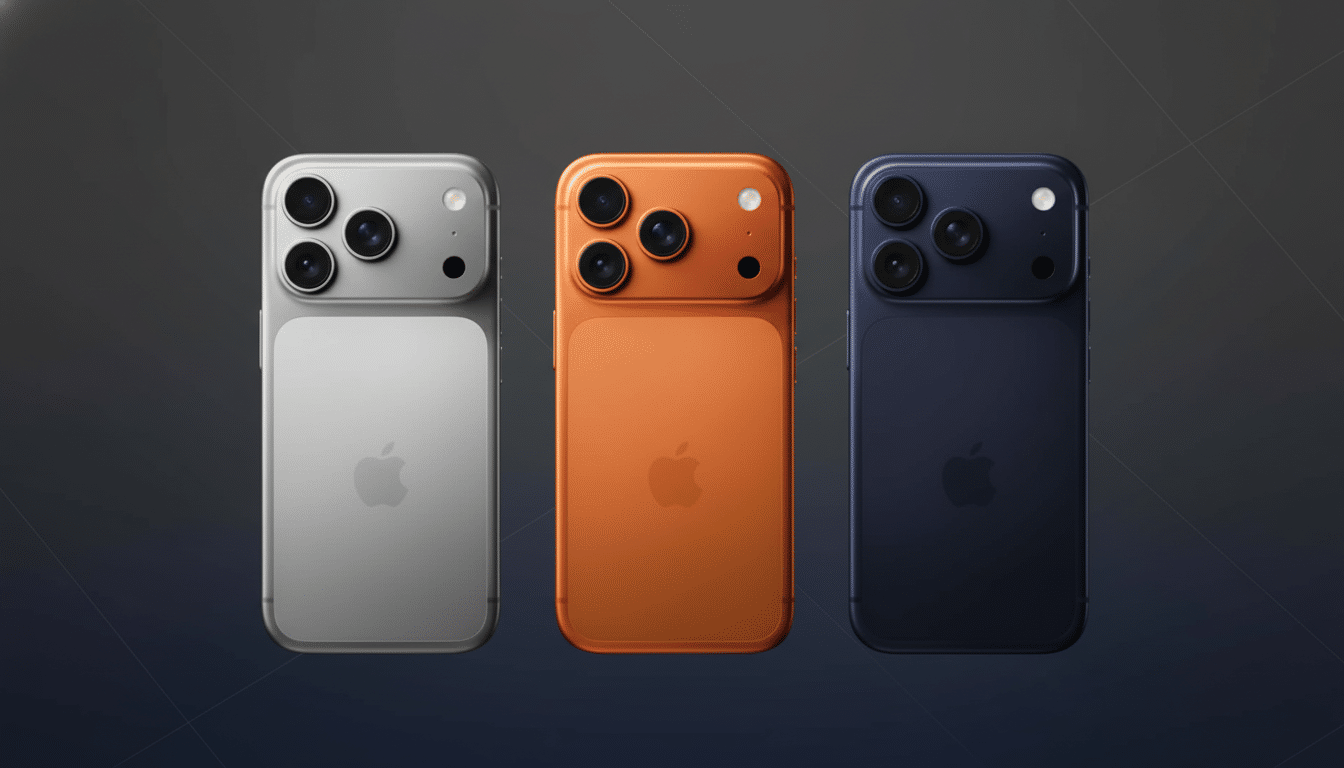
And that 5,088mAh number for the Pro Max would represent an Apple first, if accurate. No iPhone battery has ever exceeded 5,000mAh, while that’s been the case for rivals like Samsung’s Galaxy S24 Ultra (5,000mAh) and Google’s Pixel 8 Pro (roughly 5,050mAh).
Why you should care about a SIM tray
OS The break-down capacities shed light on how that volume can be re-purposed for battery. Apple already offers eSIM-only iPhones in the U.S., and other regions sometimes also get only units with physical SIM slots. The variances here are not inconsiderable: the Pro’s eSIM-only pack is about 6.6% bigger than the SIM-tray edition (4,252mAh vs. 3,988mAh), the Pro Max gets a nearly 5.5% boost (5,088mAh vs. 4,823mAh), and the Air sees something around a 3.7% increase (3,149mAh vs. 3,036mAh).
In real-world use, a capacity gain of 5–7% can translate to an additional hour or two of mixed use, depending on your workload and display settings. It also provides Apple more thermal and power headroom for things like brighter sustained HDR, higher peak GPU clocks, and next-gen camera processing.
What this might mean for battery life
Battery life is a troika between capacity, silicon efficiency, and software tuning. Even moderate mAh boosts can pay huge dividends when combined with more efficient chipsets and modems. Apple’s next A‑series silicon will likely be a step up on the TSMC 3nm family, which tend to provide single-figure percentage improvements in performance-per-watt. If iOS power management continues to shore up — as it has with features such as adaptive refresh rates and aggressive background task scheduling — the Pro Max’s larger cell might well translate into noticeably longer overall longevity under heavy camera, gaming or travel use.
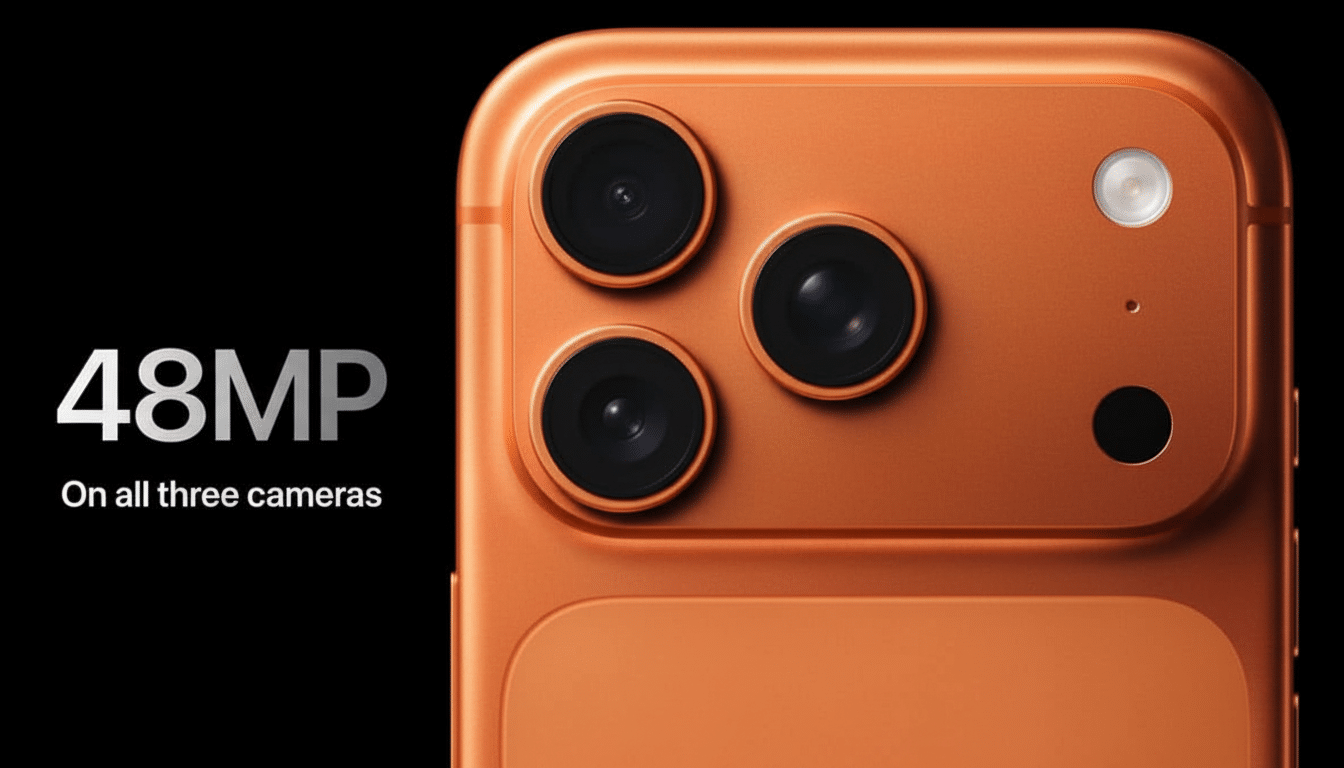
That crown belongs to the rumored iPhone 17 Air. On paper, 3,036–3,149mAh sounds slight compared with the standard iPhone 17’s 3,692mAh. That said, radio efficiency can be a big swing factor. Industry reports have claimed for years that Apple is working on an in-house cellular modem; if the “Air” ultimately ships with a more efficient baseband, it could go some of the way to correcting the raw capacity deficit. Until we hear confirmation from Apple, or are able to do some teardowns, treat this like a best-case scenario, not a sure thing.
Context: cell stacking and energy density
Supply chain talk in recent cycles suggests that Apple is testing stacked battery construction and higher energy-density chemistries — processes that are already well-established in EVs and, increasingly, high-end phones. Stacked designs can enhance thermal performance and service life while enabling higher packing density. If it’s all coming to more iPhone models, they’d dovetail with the capacity jumps we’re seeing here, in eSIM-only versions no less where space is at a premium.
How it compares with recent iPhones
Third-party tear-downs, for comparison, claim the iPhone 15 Pro Max is at around 4,422mAh and the iPhone 15 Plus close to 4,383mAh. Apple’s official battery-life claims are also use-case-based rather than mAh-based, but real-world testing from outlets such as Consumer Reports and AnandTech has repeatedly found Apple wringing long runtimes out of its smaller(-looking) capacities. 5,088mAh in the Pro Max along with process and modem gains should make multi-day life actually achievable for lighter users and ease the anxiety for power users recording lots of 4K video or using their phone as a hotspot.
Proceed with healthy skepticism
Regulatory databases like China’s 3C and MIIT have a good track record of showing battery specs before they’re supposed to be made public, but not only are last-minute swaps possible, battery specs can vary by region. ShrimpApplePro has been right before with accurate information about iPhone display hardware and component dimensions, although no leaker has a perfect track record. Until certification photos or teardowns verify these exact capacities, consider them to be educated — but preliminary — guidance.
If these numbers are realised, the headline is evident: the iPhone 17 family is set for a real battery boost, with eSIM-only models standing to gain the most and the Pro Max will pass a symbolic 5,000mAh milestone. For a lot of buyers, that might be the most useful upgrade of the generation.