


Apple’s next hardware feet parade will be all about the iPhone 17 family – and a daring new ultra‑slim model that could upend the playbook when it comes to thin phones. Look for Apple to fine-tune the lineup with new designs, display enhancements, more-intelligent storage tiers; and a surprise accessory or two, along with updates for Apple Watch and AirPods.
iPhone 17: faster display, smarter tiers
One of the most common rumors regarding the standard iPhone 17: Apple will narrow the gap with the Pro line. We’ve heard whispers suggesting a 6.3-inch display — a jump from 6.1 inches — and possibly most significantly a 120Hz refresh rate to replace the long‑established 60Hz panel. If true, that’s a significant quality-of-life improvement for scrolling, gaming and UI smoothness that would bring Apple into the same area code as mainstream Android rivals.
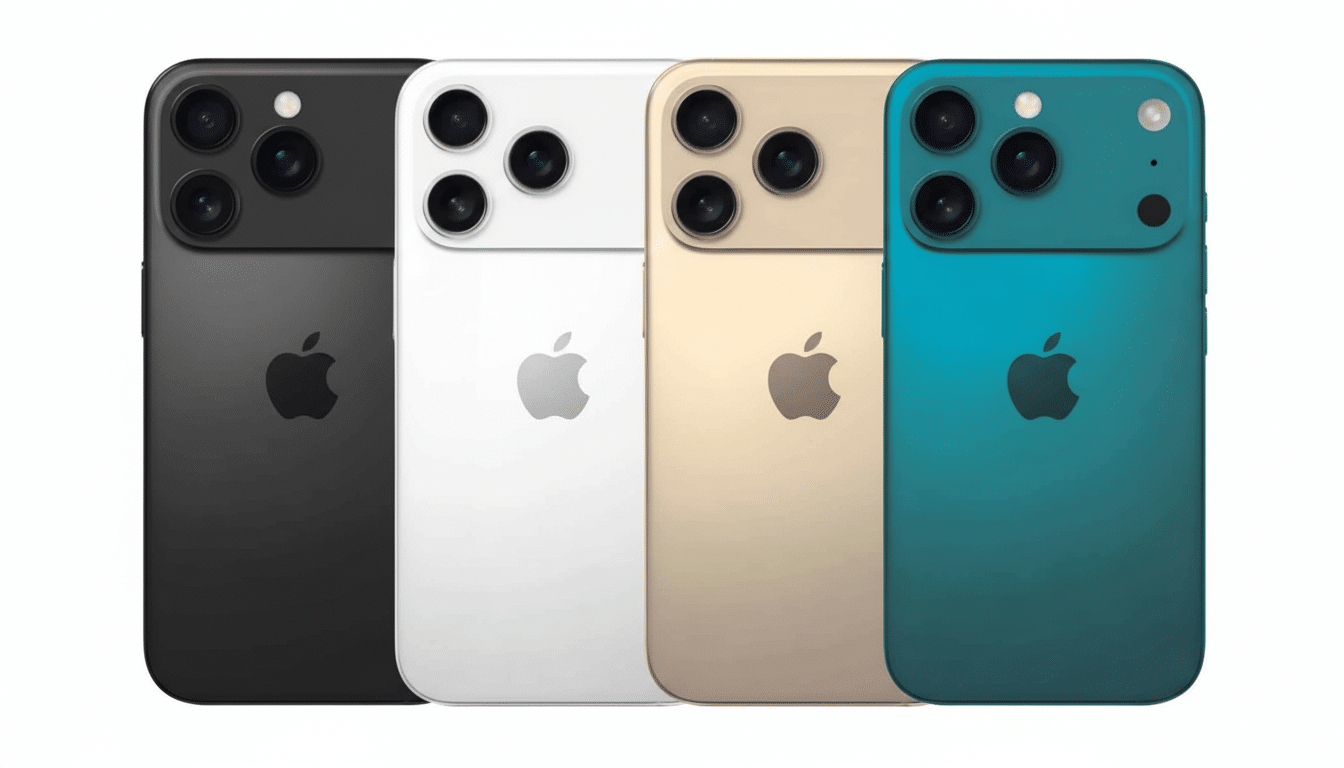
A 24 MP front camera is also rumored to be on the table, a significant upgrade for video calls and social content. Testing app color options are said to include purple and green — a sign that Apple may continue to favor soft, seasonal colors that sell well in stores.
Pricing, the base model is going to be around, I think everyone’s expecting it to be around the $800 range. Bloomberg’s Mark Gurman has characterized it as the earliest stage in a multi‑year revamp arc, a regime that sits well with Apple’s history of seismic shifts and then iterative refinements. A more compact portfolio and a clearer feature discrimination are usually obtained.
Pro and Pro Max: camera bar, lighter frame
The design of the iPhone 17 Pro is rumored to change it up with a rectangular bar of rear cameras running the length of the back and shifting the flash and sensors toward the edge. It’s an efficient arrangement for a larger sensor and periscope optics and gives Apple more thermal and internal room to work with.
Materials may change too. Meanwhile, supply chain chatter has an aluminum frame swapping in for the titanium of the Pro, cutting cost and a few grams without compromising on durability. The Pro Max, for its part, is expected to gain a hair of thickness to accommodate a bigger battery — a trade-off that most power users will gladly make.
The target price for the Pro is about $1,100 and for the Pro Max, about $1,250.
One interesting change: the Pro line might now base out at 256 GB, with the 128 GB tier being abandoned. If that makes it, it elevates the out‑of‑the‑box experience for 4K video capture and spatial media while vastly simplifying the SKU matrix.
iPhone Air: The slimmest iPhone yet
At the top of the list in the rumour mill is the iPhone Air — a super‑slim model tipped to take the place of the Plus. Target thickness: Approximately 5.5mm for a 6.6-inch screen. That would also be stomping on a lot of the “thin” flagships – that 5.8 mm figure is the rumored thickness of Samsung’s upcoming slim variant, just to give you an idea. Apple has already demonstrated its thin‑device engineering with the 7.9mm thick new iPad Pro, and it would follow that it feels confident in rigidity, battery safety and thermal design at these dimensions.
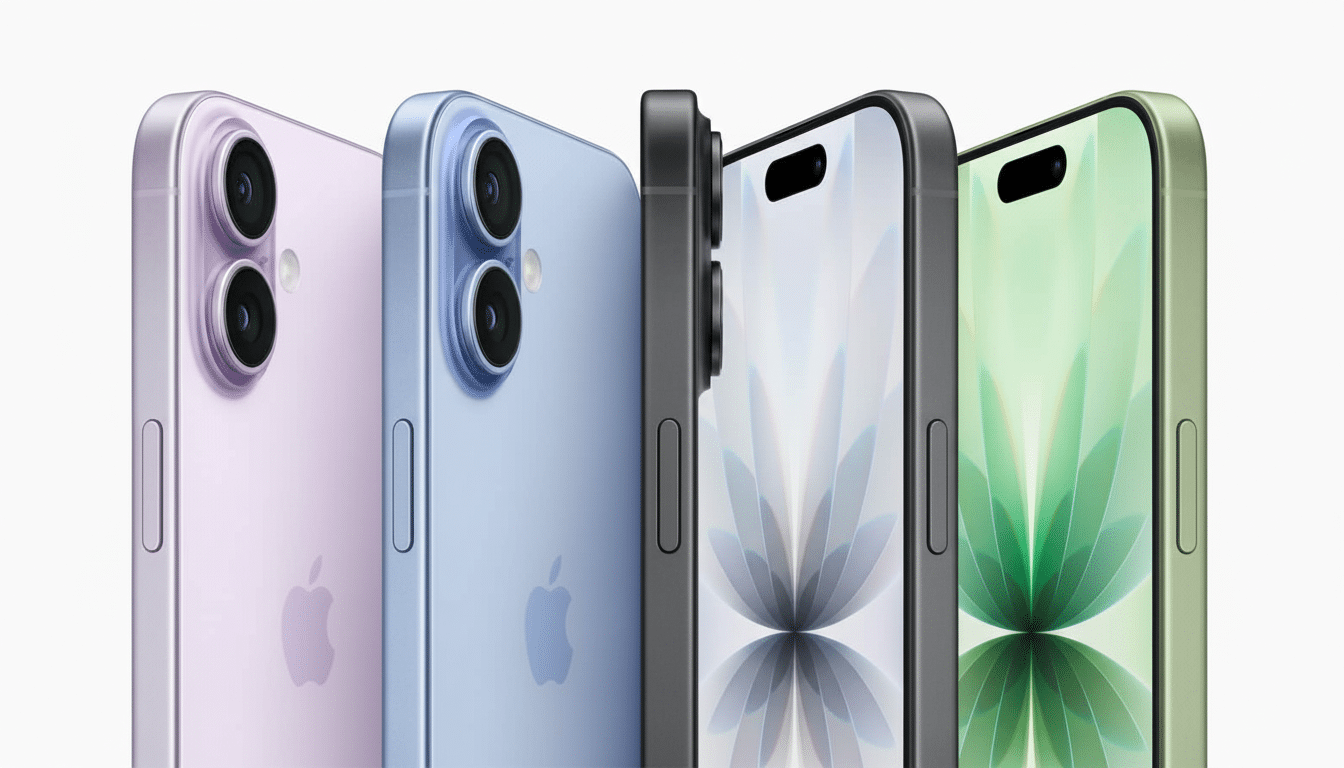
There are tradeoffs. Renders indicate only a single rear camera and maybe audio sacrifices, with most of the sound only coming from the earpiece and less of a full bottom speaker array. Battery life continues to be the big question; an optional battery case has been mentioned as a possible solution. They will reportedly be available in black, silver and light gold color options, and some analysts at JPMorgan have their pricing estimates pegged at between $899 and $950, depending on final specs.
New cases and materials: a course correction
And look for new first‑party cases to ship with the phones.
A nicer‑quality woven option (referred to as “TechWoven”) seems poised to take over for the short‑lived FineWoven experiment, quite possibly with a crossbody strap option. With consumers revolting over wear and staining last time, Apple will be keen to demonstrate durability gains.
Apple Watch: Health features creep forward
After a relatively calm period, the Apple Watch is ready for a shift of its own ambitions. Now The Ultra 3 and Series 11 are rumored to get faster charging, and smaller bezels, as larger displays; with ‘on‑going work to get cuff‑less blood pressure notifications [and] sleep apnea detection [in] to market’. With health features nudging against regulatory scrutiny, the timing is fluid; Bloomberg’s reporting indicates certain abilities might slip for more tuning.
Apple just recently started introducing the reimagined blood‑oxygen experience to certain models, signaling how new health features might be introduced regionally. Prices could land at $250 for Watch SE 3, $400 for Series 11 and $800 for Ultra 3, with a plastic‑back SE variation still being rumoured in order to keep the entry tier competitive.
AirPods, AirTag, Vision Pro, HomePod
AirPods Pro 3 are rumoured to arrive with a thinner case, smaller buds, and have touch‑sensitive areas to replace the pair button. A fresh H3 chip would target more powerful active noise cancellation and smarter adaptive audio, too. A second‑gen AirTag is said to include an improved wireless chipset for extended range and anti‑stalking features, in line with pressure from privacy campaigners and law enforcement advice.
From a spatial standpoint, we’re hoping for an overhauled Vision Pro with next‑gen Apple silicon and a darker colorway, while it’s been rumored that a HomePod mini 2 could land with updated internals and new colors. Whether they arrive as teasers, rather than full-on launches, they signal Apple’s intention to maintain its ecosystem cadence tight.
What to look out for during the event
Key tells to watch for: 120 Hertz on the base iPhone 17, the Pro camera bar design, a 256 GB starting tier on Pro, and whether the ultra‑thin iPhone Air is shipping with any battery‑life diet restrictions or bundled accessories. Also look for affirmation of new woven cases, and how Apple frames sustainability alongside durability — a balance that will matter to buyers and investors here and now.