


A credible new leak suggests Apple is preparing an iPad Mini 8 with an OLED display and a waterproof redesign. If that combination materializes, it could erase most of the practical reasons to choose an iPad Air or even a Pro for a large share of users. The report, attributed to Bloomberg’s Mark Gurman, aligns with industry chatter that Apple will expand OLED across more devices in phases.
Why OLED on the Mini Changes the Buying Equation
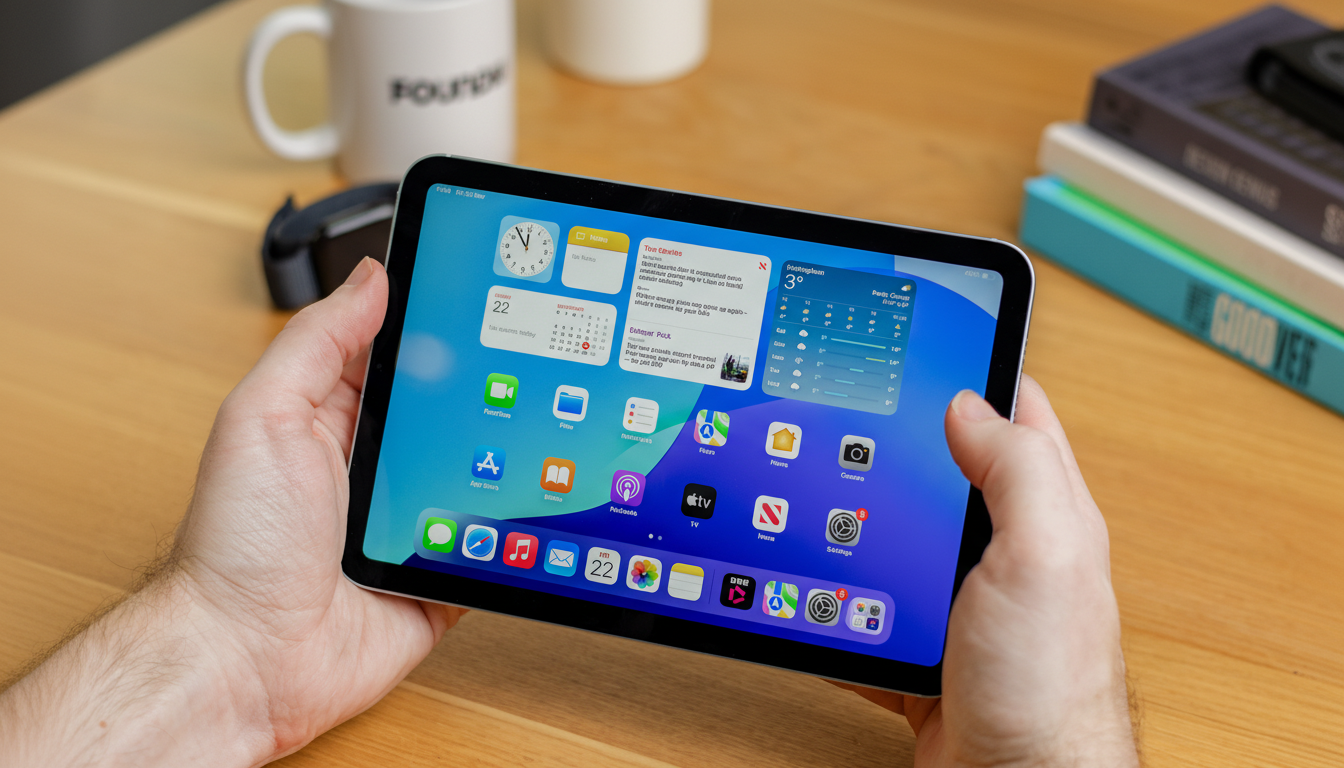
Display quality has long been the Mini’s Achilles’ heel. A jump to OLED would deliver true blacks, near-instant pixel response, and significantly improved perceived contrast versus the current LCD. In real work—photo editing, reading, streaming—it’s the difference between “good enough” and “can’t-go-back.”
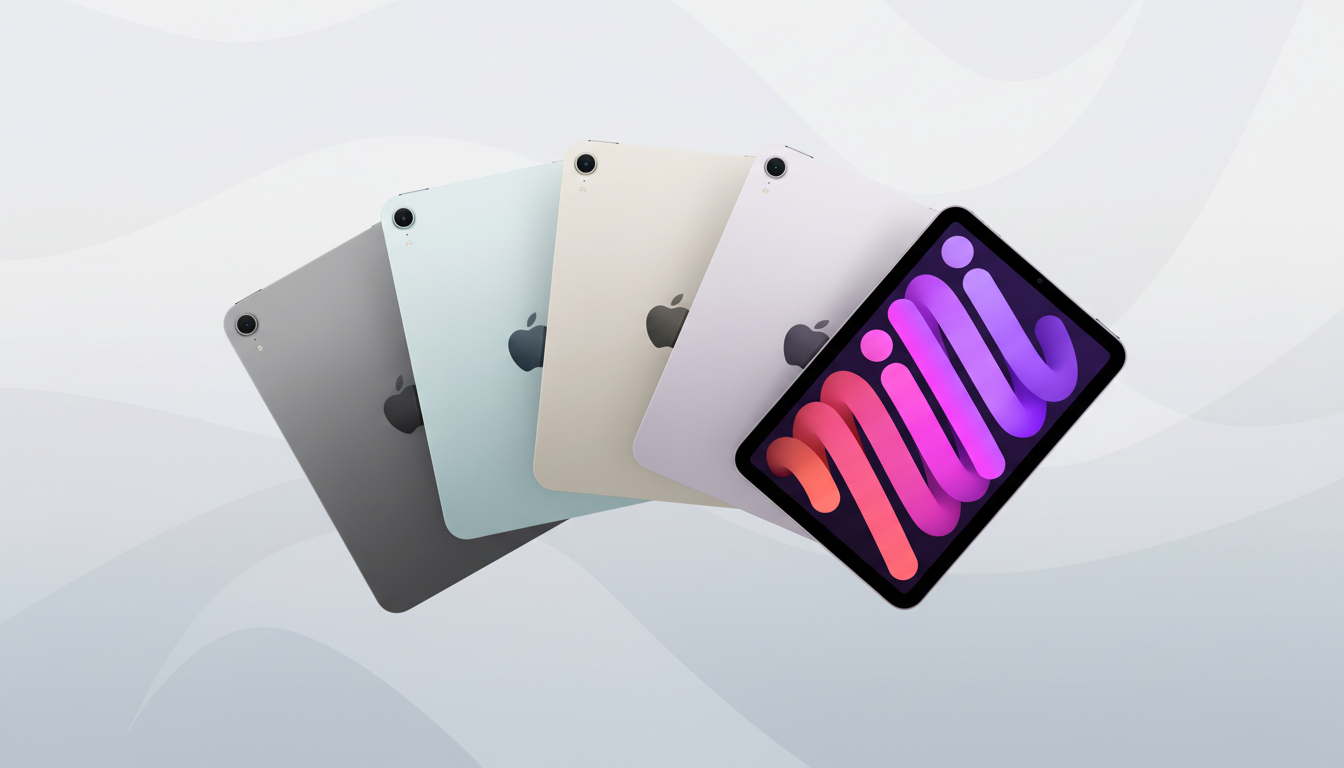
We already have a reference point: the latest iPad Pro’s tandem OLED reaches around 1,000 nits in SDR with up to 1,600 nits for HDR highlights, according to professional display tests. Even if the Mini’s panel lands below those peaks, OLED’s pixel-level dimming inherently improves shadow detail and color fidelity. For creators who value accurate blacks and consistent tone mapping more than raw screen size, this is transformative.
Industry analysts at Display Supply Chain Consultants have also forecast a rapid shift to OLED across tablets and notebooks as costs fall and yields improve. Bringing that tech to the smallest iPad would immediately elevate the “entry-premium” experience without the heft or footprint of bigger models.
Portability Remains The Mini’s Superpower
The Mini’s value proposition starts with physics. The current model weighs under 300 grams, roughly two-thirds the mass of an 11-inch iPad Air, which sits around the mid-400-gram mark. That gap is the difference between one-handed reading on a commute and a device that slowly tugs on your wrist. Add the usual iPad battery endurance—Apple rates iPads for up to 10 hours of web and video—and a Mini with an OLED panel could stretch perceived battery life further thanks to black-heavy UIs and lower power use in darker content.
In practical terms, a lighter tablet encourages more use in more places. If you prioritize reading, note-taking, browsing, and occasional photo edits, the Mini’s paperback-like form factor beats a larger tablet nine times out of ten.
Performance Reality Check for iPad Mini Buyers
Critics will point to silicon: the Air and Pro ship with M-series chips, while the Mini typically uses an A-series processor. That matters for heavy 3D work, extensive multicam video, or complex machine learning tasks. But for the workloads most Mini buyers actually run—Lightroom edits, LumaFusion cuts, Affinity documents, multitasking with Safari and mail—modern A-series chips deliver brisk single-core performance and responsive GPU acceleration.
Benchmarks consistently show recent A-series CPUs in the same ballpark as earlier M-series for single-threaded tasks. Unless you’re compiling large codebases, color-grading HDR featurettes, or leaning on pro plug-ins all day, the performance gap is narrower than the marketing suggests. An OLED Mini would remove the Air’s most visible advantage—panel quality—while preserving the speed most people feel.
Waterproof Design And Haptic Audio Could Reshape Durability
The same report points to a waterproof casing and a new speaker approach that uses vibration-based technology rather than traditional grilles. If Apple achieves a robust ingress protection rating without sacrificing sound quality, this would be a first for the iPad line and a boon for travelers and families. A sealed design also reduces dust intrusion and can improve perceived sturdiness, especially when paired with modern oleophobic or anti-glare coatings.
It’s easy to underestimate how much confidence a waterproof rating adds. For anyone who reads poolside, uses a tablet in the kitchen, or shoots photos in the field, the durability upgrade could be as meaningful as the display change.
Price Pressure and Lineup Math for the Next Mini
There’s a catch: the iPad Mini 8 is rumored to get a $100 price increase, potentially landing near the pricing territory of the 11-inch iPad Air. Street prices complicate the picture further as retailers often discount the Air. Still, an OLED Mini would deliver a premium visual experience in a smaller, lighter package—precisely where the Air can’t compete.
Meanwhile, the Pro keeps its crown for sustained brightness, 120 Hz ProMotion, larger 11- and 13-inch canvases, advanced accessory support, and headroom for intensive workflows. Those are real advantages—but they’re increasingly specialized. For many buyers, an OLED Mini would strike the best balance of size, screen, speed, and longevity.
Bottom Line for iPad Air and Pro Shoppers Today
If Bloomberg’s reporting holds, the iPad Mini 8 becomes the sleeper hit of Apple’s lineup: the most comfortable iPad to hold with a display worthy of pro work and entertainment. The Air remains the choice if you want a bigger canvas at lower cost and don’t need OLED. The Pro stays essential for creators who require 120 Hz, XDR-level HDR, or maximum GPU muscle.
But for everyone else—the majority who value portability and premium display quality over size—the rumored Mini checks the boxes that matter. And that leaves remarkably few reasons to look at an Air or Pro.