


The long-running Android vs. iOS rivalry has a fresh answer. By the metrics that shape real-world experience—software updates, security posture, ecosystem cohesion, and user spending—iOS now clearly leads. Android still commands unit share and unmatched hardware choice, but the center of gravity for premium smartphones, developer returns, and day-to-day polish has tilted to Apple.
Why iOS Now Leads Across Updates, Security, And Apps
Start with money and momentum. Counterpoint Research has consistently reported that Apple captures well over 80% of global handset operating profits and dominates the premium tier, often holding more than 70% share of devices priced $600 and up. That profit cushion funds longer support windows, tighter hardware-software integration, and headline features that arrive for nearly every recent iPhone at once.
- Why iOS Now Leads Across Updates, Security, And Apps
- Market Share Tells A Different Story On Dominance
- Updates And Security Decide The Everyday Experience
- AI And Core Apps Move From Novelty To Utility
- Ecosystem And Continuity Keep Users Locked In
- Apps And Gaming Momentum Continues To Tilt Toward iOS
- Where Android Still Wins On Choice, Price, And Control
- The Bottom Line On iOS Versus Android In 2026
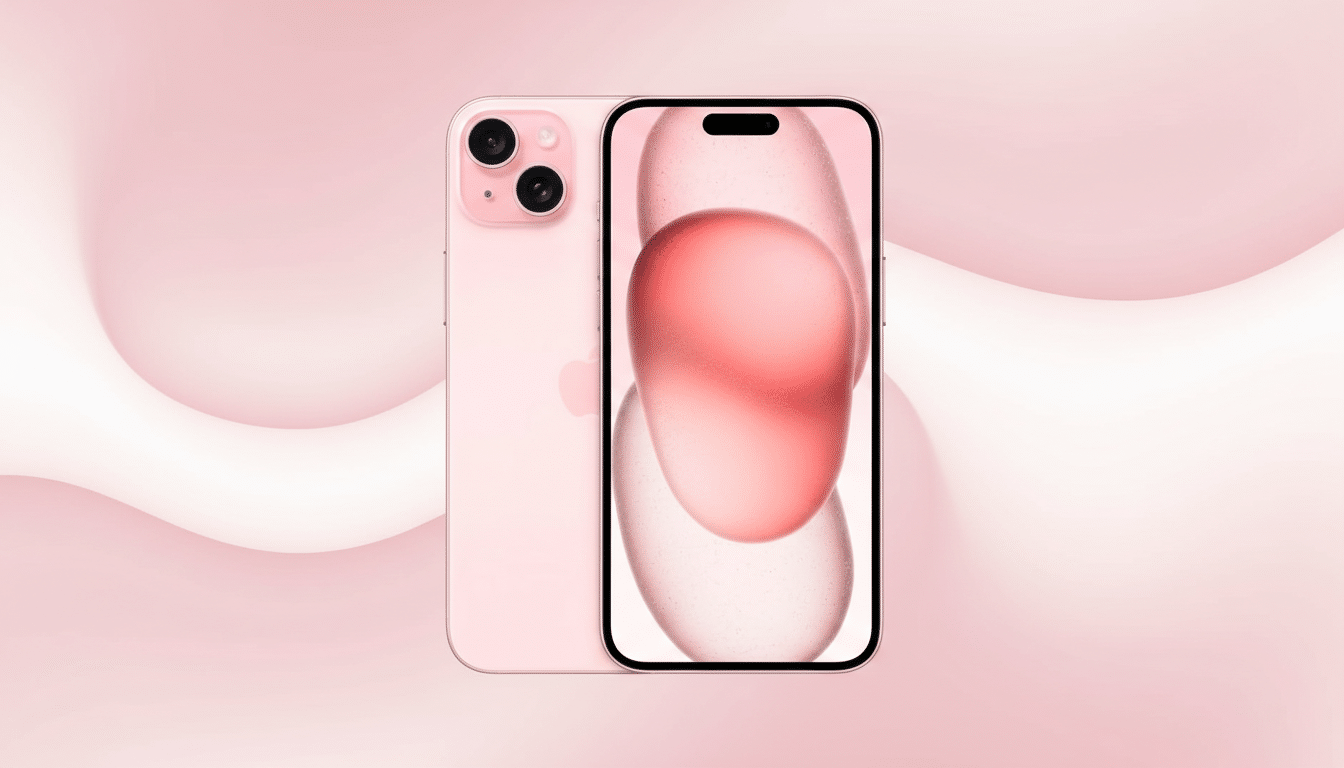
Developers follow the money, too. Data.ai and Sensor Tower analyses regularly show iOS generating roughly two-thirds of global consumer app spend, even with fewer total users. That dynamic translates into faster feature rollouts, more AAA game ports, and higher-quality pro apps landing on iPhone first—or exclusively.
Market Share Tells A Different Story On Dominance
Globally, Android still accounts for the majority of active smartphones, according to StatCounter’s web share tracking. It spans every price band and form factor, from $100 handsets to foldables cresting $2,000. If your definition of “dominates” is pure volume, Android wins.
But platform leadership in 2026 hinges on quality, not quantity. In mature markets such as North America and parts of Western Europe, multiple firms—including CIRP for the U.S.—have shown iPhone with a majority share of new activations and high customer retention. That’s where software and services ecosystems deepen fastest.
Updates And Security Decide The Everyday Experience
Apple’s update machine remains unmatched. Apple’s own developer statistics routinely show rapid adoption of the latest iOS across the active base within weeks, often surpassing 80% on modern models. That coherence simplifies life for users and developers while keeping devices secure for longer.
Android’s story is improving—Google and Samsung now promise up to seven years of updates on flagship lines—but fragmentation persists across the broader ecosystem. Staggered rollouts, OEM skins, and carrier delays still mean many users wait months for major features and security patches.
Security trends reinforce the split. Industry threat reporting from organizations like Nokia Threat Intelligence and leading cybersecurity firms has repeatedly found Android targeted more frequently by mobile malware due to its open distribution model and sideloading. Google Play Protect and monthly patches help, but Apple’s closed distribution, on-device protections like Lockdown Mode, and end-to-end encrypted services give iOS a tangible edge for most users.
AI And Core Apps Move From Novelty To Utility
Both platforms now treat AI as table stakes. Android’s Gemini stack is powerful, with impressive multimodal capabilities and on-device summarization on select hardware. It also enables neat tricks like screen-level reasoning and rich call handling on Pixels and high-end Samsungs.
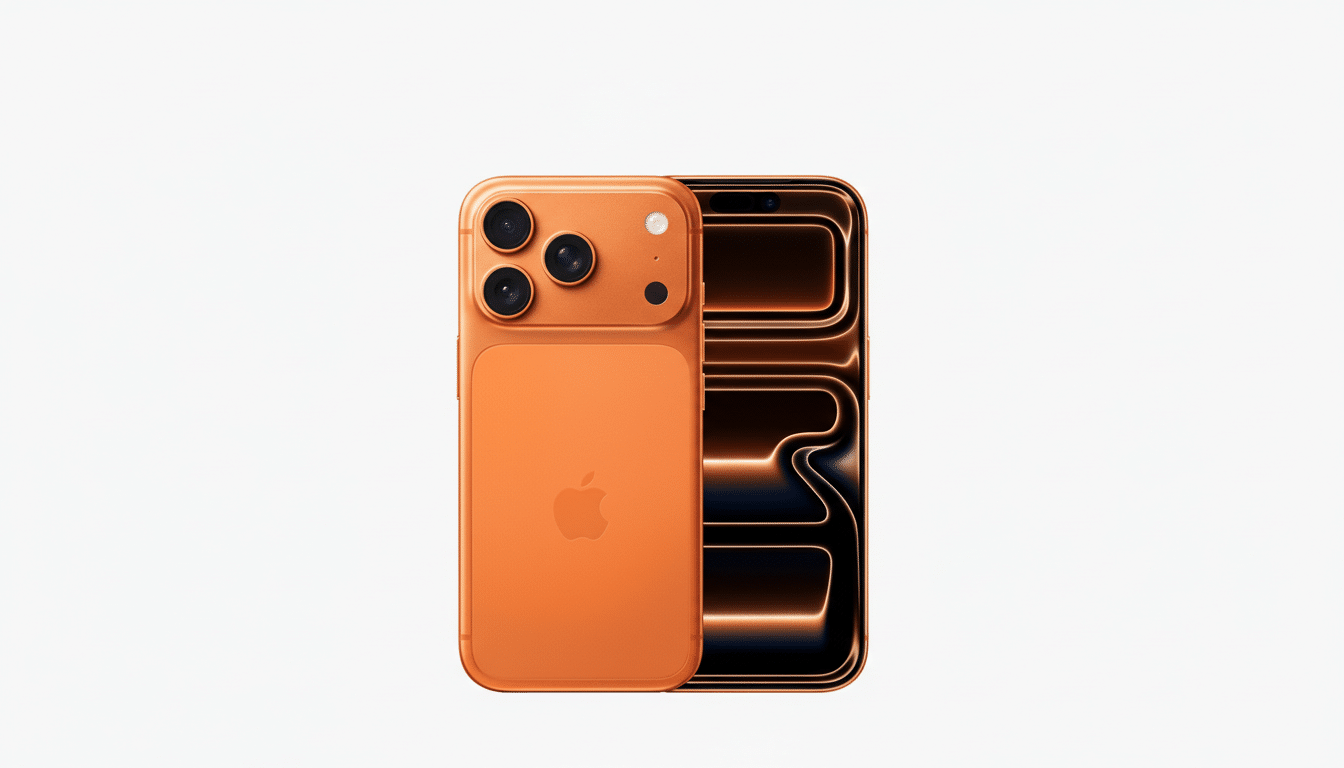
Apple’s response has been less flashy but more uniform. Apple Intelligence leans heavily on privacy-preserving, on-device models and clean systemwide hooks—writing tools, image generation for stickers and backgrounds, context-aware actions, and live translation that work consistently across Messages, Phone, Mail, and Notes. Where Android can feel capability-rich but uneven across OEMs, iOS lands AI features with a single, polished playbook.
Ecosystem And Continuity Keep Users Locked In
Continuity features remain iOS’s ace. Handoff, Universal Clipboard, AirDrop, and Continuity Camera turn iPhone, iPad, Watch, and Mac into a single canvas. Setup is predictable; handoff is seamless; peripherals just work. That cohesion is more than convenience—it reduces friction in countless daily tasks.
Android pairs best with Windows via Phone Link and has improved dramatically with Quick Share, app streaming to Chromebooks, and cross-device notifications. Yet the experience varies by brand and model, and parity with Apple’s end-to-end control remains just out of reach.
Apps And Gaming Momentum Continues To Tilt Toward iOS
Apple Arcade and the iPhone’s recent console-class GPU have pulled marquee titles—Resident Evil 4, Death Stranding, and more—onto mobile without the usual compromises. Combined with higher average revenue per user, that lures studios to optimize for iOS first.
Android’s breadth shines with emulation, cloud gaming, and flexible controller support, and Google Play Pass offers strong value. But the cadence of big-budget native releases and pro-grade creative tools still favors Apple’s side of the fence.
Where Android Still Wins On Choice, Price, And Control
If you prize hardware choice, customization, and price flexibility, Android is unbeatable. Material You theming, third-party launchers, robust widget systems, and support for foldables, styluses, and microSD on select models make it the tinkerer’s playground.
Messaging has also closed a long-standing gap. Android’s RCS brings modern encryption and rich media, and Apple’s adoption of RCS for cross-platform chats has eased blue/green bubble headaches, even if iMessage-exclusive features still live on the iPhone side.
The Bottom Line On iOS Versus Android In 2026
Android rules in reach and variety. But for security, updates, ecosystem fluidity, steady AI integration, and where developers place their best bets, iOS now clearly dominates. If you want the most consistent, fully realized mobile experience today, the iPhone is the safer pick; if you want maximum freedom and form factors at every price, Android remains a compelling alternative.