


Been a Pixel user for years, and I do not often find myself whining about iOS features. But iOS 26 slips in one little, useful improvement that resonates with me deep down in the old daily workflow: Apple’s Preview app on iPhone at last. It’s no head-turner, it’s not A.I., and that is exactly why it stands out. It takes friction out of the boring but invariable chores — opening, marking up, filling, and signing PDFs — in a way Android itself still can’t match right out of the box.
The Mac staple that quietly changes iPhone
On the Mac, Preview and Quick Look (the preview you can access by pressing the spacebar) have been productivity staples for years. iOS 26 delivers a scaled-down version of that to iPhone in the form of the dedicated Preview app for PDFs. The design rolls with Apple’s Liquid Glass ethos, but the power here is in the tools: clean markup, speedy cropping, forced dark background for when you’re reading late at night, text boxes for forms, and a document scanner baked directly into the app.
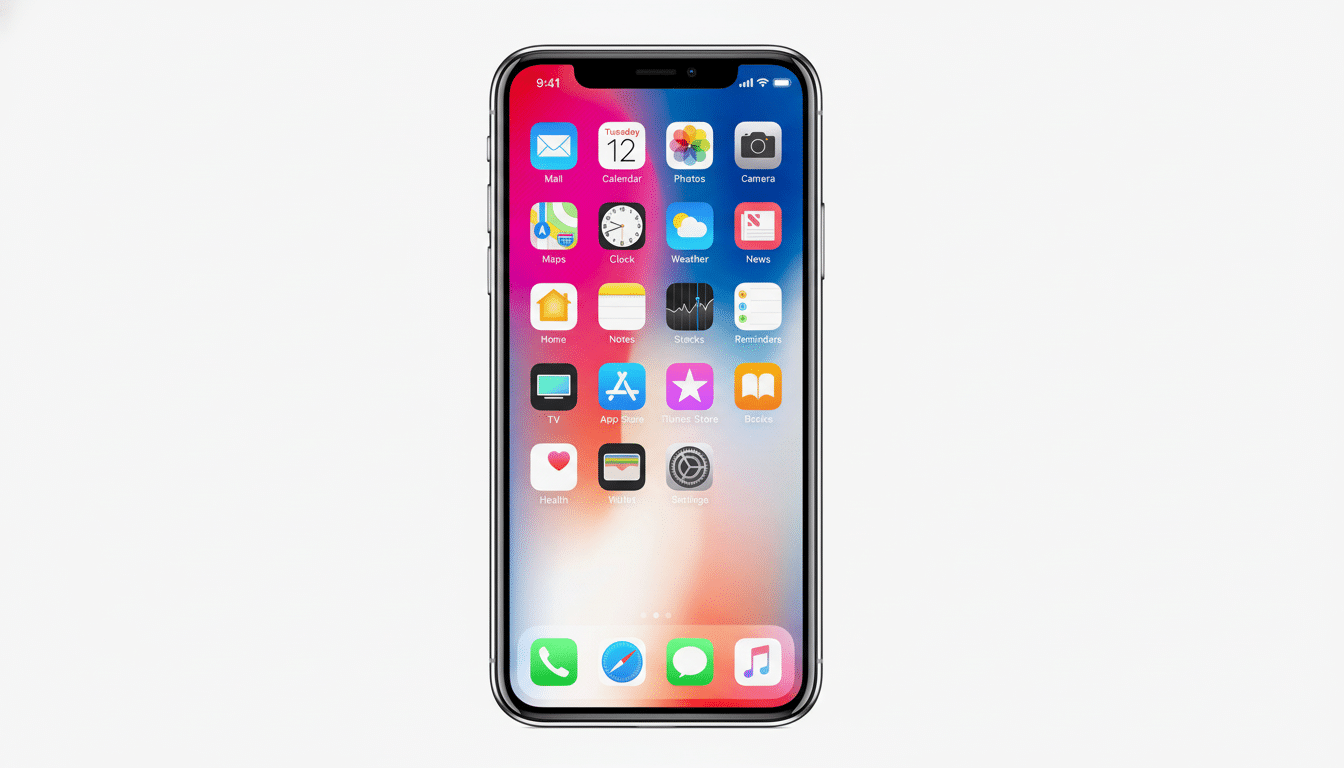
Here’s the clincher, which is perfectly within reach.
Instead of scribbling some crap attempt to replicate your signature every time, you could also make a real, reusable one and drop it in exactly where needed. If you have a Mac, this is the setting that made Preview an everyday go-to. Now that it’s on the iPhone, you get a contract in Messages or Mail, sign it correctly, and return it in minutes — no app swapping necessary, no desktop needed.
It seems almost quaint until you live with it. Lease renewals, HR forms, NDAs, school permission slips, shipping labels — real life is still very wonderfully PDF-shaped. It is Apple’s decision to confront that reality natively, rather than via a third-party app, that makes this feel like more than just a “nice-to-have.”
Why it’s more important than a flashy A.I. trick
Electronic contracts are business plumbing at this point. More than a billion people have used DocuSign’s platform, according to the company, and Adobe says Acrobat Sign processes billions of transactions annually. PDFs lie at the heart of that flow, codified in the ISO 32000 standard and meant to stay consistent across devices. When your phone can do the entire loop — view, fill, sign, and return — it captures genuine time.
Ultimately, an on-chain approach cuts down on guesswork around privacy and trust.
You’re not putting a confidential set of documents into a random website, or trying out that new app just to sign one page. Apple still needs to nail cross-device convenience — syncing existing signatures from Mac would make this seamless, for example — but the foundation’s laid on iPhone is just what mobile productivity should be.

Where the Pixel default experience currently falls so short
On a Pixel, opening a PDF in the default viewer gets you basics: highlight, annotate, and scribble. It’s really responsive and the markup is ok-ish, but there’s no re-usable native signature or much support for structured form filling. If you need to sign or otherwise complete a multi-field document, you’re either browsing the Play Store for an app or (if it’s not onerous) reflexively referring to some cloud service.
Yup, Android has great third-party options — Adobe Acrobat, Xodo, Foxit, and others address signatures, form fields, and heavy editing. It’s not a matter of capabilities; it is about default behavior. Most users don’t go around changing their default apps, and they shouldn’t need to if all they want to do is sign a PDF. Files by Google and Drive, meanwhile, have parts of the puzzle (scanning and annotation) but don’t all come together for a single flow that’s frictionless.
The result is death by a thousand tiny frictions: download here, open there, share to another app, recreate your signature from scratch, and hope the fields match up. It’s the kind of small tax on everyday life that good platform design is supposed to eliminate.
What Google could (and should) copy next
Google doesn’t have to rip off Apple’s UI to win here. It wants a system-level PDF service that’s as simple when it comes to capabilities as it is in design. Wish list:
- A reusable signature vault with Titan M–supported hardware security
- Automatic completion of common form fields
- One-tap quick view from the Files app and Share Sheet
- An integrated scanner
- Seamless sync to devices linked with your Google Account
Android could even step ahead with some enterprise-friendly extras:
- Digital certificate support for advanced signing (we’re thinking PAdES compatibility)
- Audit trails
- Tight integration with Autofill for addresses and IDs
Make it an open API so Samsung, OnePlus, and others could plug into enhancements without forking the experience. At the very least, don’t make it exclusive to Pixels.
AI features will continue to make for good headlines, and Pixels are loaded with them. But even progressive advancement is more a matter of sanding down rough edges than staging fireworks. With iOS 26, Apple took a modest, well-worn Mac concept and put it where we need it most — on the phone. As someone who uses a Pixel, I can attest that’s the one little feature I’m actually envious of, if only because it makes everyday tasks feel effortless.