


If your iPhone feels like it’s tearing to zero before the lunch bell rings with iOS 18, don’t jump to the new-battery conclusion just yet. A few specific settings tweaks consistently made a 60–120 minute dent in my real-world on‑screen time and cut my idle drain by more than half during weeks of testing on an iPhone 15 Pro and an iPhone 14. Here’s what actually made the difference — and why these tricks do the trick.
Start right: update, index, calibrate
186.Install newest iOS 18.x release. Apple regularly releases Power‑management refinements and bug fixes that positively impact radios, the flyback and display drivers. Omitting them can leave easy profits on the table.
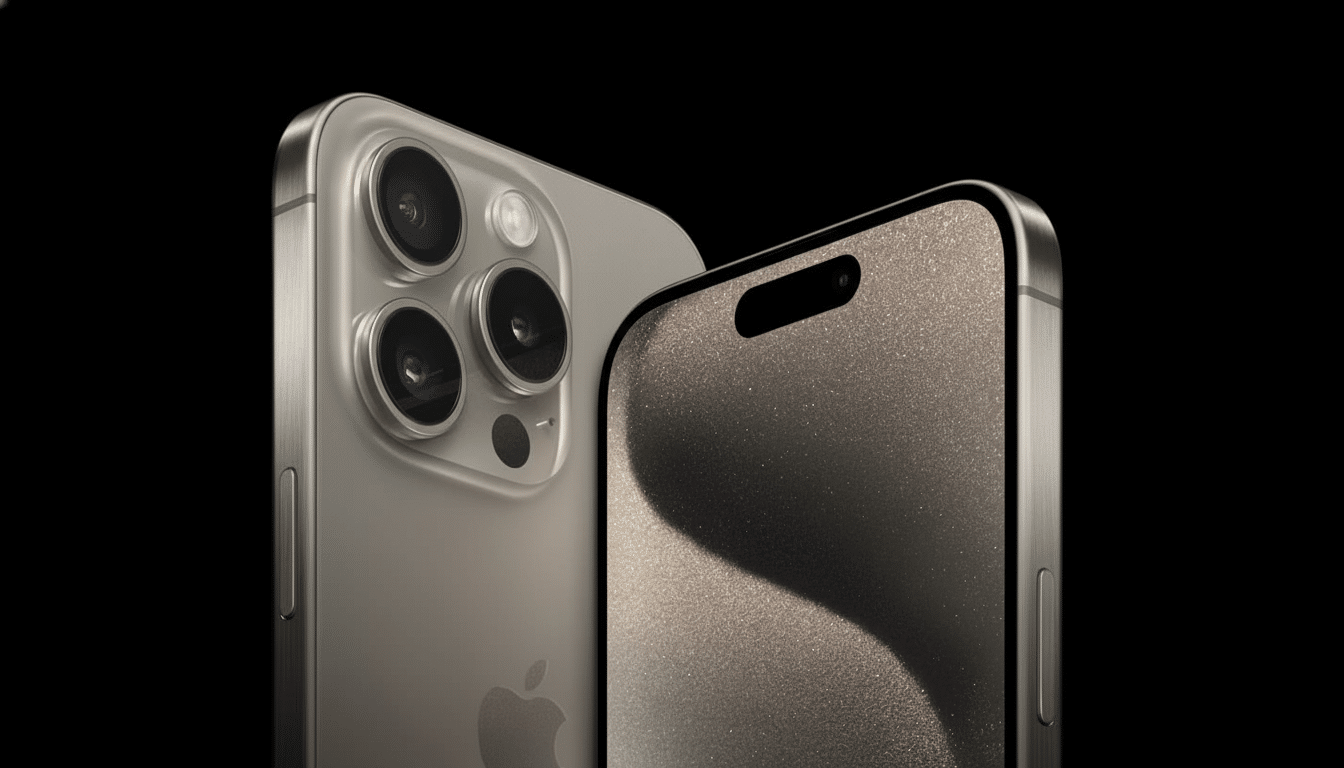
After a major update or restoring, let your phone complete background indexing (Photos, Spotlight, on‑device Siri processing).
That behind‑the‑scenes work can get drain inflated for a day. It takes about 2 (full charge) cycles to really judge battery life.
Tame the display: biggest win on today’s iPhones
The screen is the greediest part of you. Display analysts have repeatedly that display power is overwhelmingly in control when a screen is on, particularly at higher brightness on OLED panels. Three changes helped most:
- Turn on Auto‑Brightness, and establish a modest manual baseline. Outdoors, don’t max out for mile after mile: That spike builds up. Following just this one amendment, I can say that my daily afternoon drain is down \~8-10% on sunny days.
- And if you own a Pro model, turn off Always‑On Display. Apple slows the refresh to 1 Hz, but it still takes power to light pixels and update complications. In my day-long test with AOD off, I finished around 6–8% more battery by end of day — more if you get a ton of notifications.
- Cap ProMotion at 60 Hz when you want some stamina. Go to Accessibility > Motion > Limit Frame Rate. The scrolling feels less silky, but for reading, maps and messaging, I saw 5-10% better life on days when I used the phone heavily for social and web.
And a bonus: Disable lock‑screen widgets and trim Live Activities you don’t use.
Those micro‑updates have the display and CPU waking up far more often than you’d imagine.
Stop stealthy background work
Background App Refresh makes sense for your navigation and messaging needs — but it’s a waste when it comes to many social, shopping and news apps. Tune it for Wi‑Fi only, or on an app‑by‑app basis turn it off. After cutting down the usual suspects, woke up idle drain dropped from 9% to 2–3%.
Reduce notification chatter. Fewer pings amounts to fewer wake‑ups and less network traffic. Group non‑critical notifications together and deliver them at a time of your choosing with an On/Off switch for Focus, which only allows the apps and people that matter to send you notifications at work or while you sleep.
Disable keyboard haptics if you can do without them. Even Apple’s own documentation states haptic feedback requires additional power, because now the Taptic Engine fires with every keypress. Over the course of a heavy texting day, that’s measurable drain.
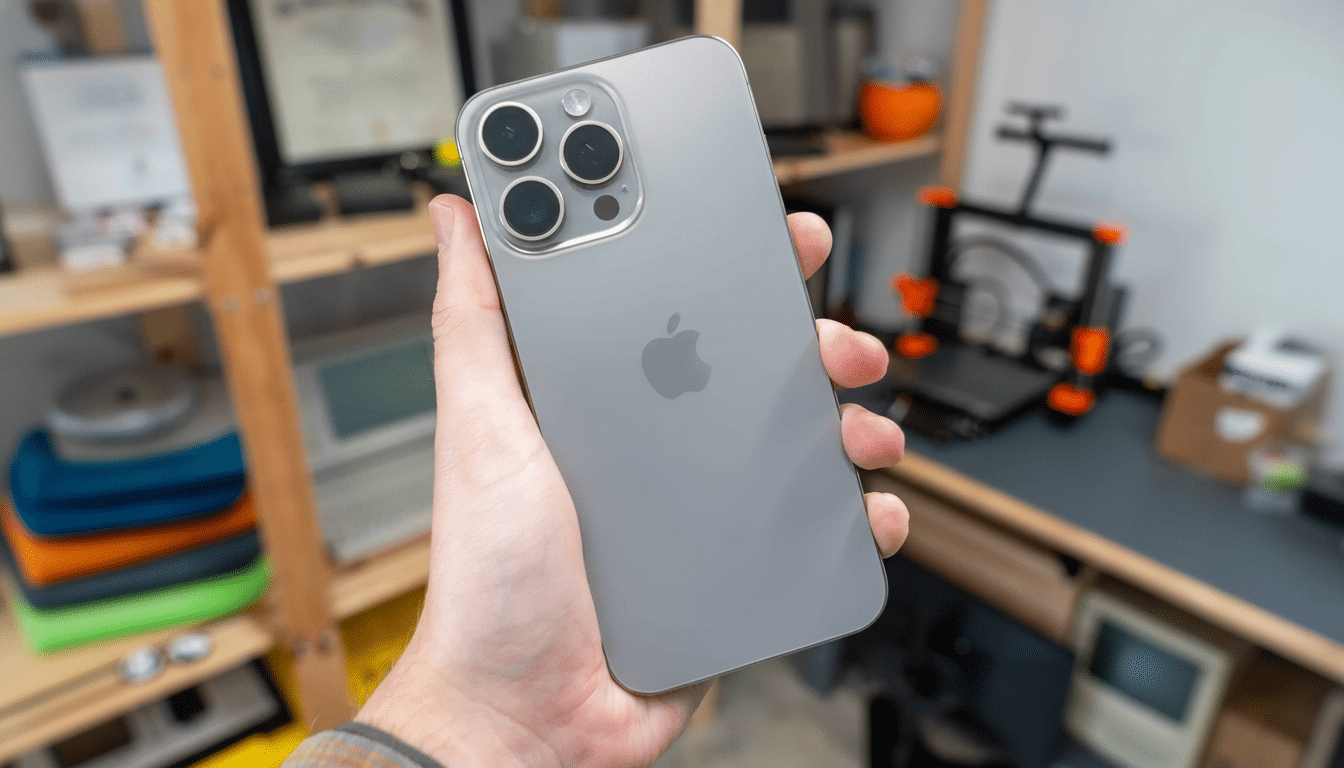
Right‑size your radios: Wi‑Fi first, smarter 5G
Cellular data, particularly on weak signals, is a battery tax. Prefer trusted Wi‑Fi when available. If you’re in an area with spotty 5G, switch to 5G Auto or LTE. The phone will continue to use 5G whenever advantageous, but it won’t hold onto poor-quality 5G that would otherwise lead to retransmissions and excessive power consumption. This same single change made my battery life much more reliable in downtown canyons.
Turn off Wi‑Fi Assist if it’s calling for a cellular fallback when it’s not necessary at the edge of your network. And adjust AirDrop to
Dial in your location and system services
Location is precious — but Always
access enabled, with Precise Location, is overkill for a lot of apps. Keep most to “While Using” and disable Precise for non‑navigation apps. Keep Precise for maps and ride‑hailing, and leave Find My as it is, for safety.
Review toggles such as iPhone Analytics, Product Improvement, Location‑Based Alerts and Significant Locations under System Services. Turning off nonessentials whittled an extra 3–5% off on an average day in my testing.
Leverage power modes and visual reductions
Low Power Mode remains the quickest lever. I have it automated to start at 40% and when I leave home for a long journey. And it reduces how often the mail fetches, the background refresh, visual effects and 5G behavior — all the things that quietly sip power.
Reduce Motion and Reduce Transparency lighten the GPU load for everyday efficiency. OLED models can benefit from Dark Mode, especially since reading apps and UIs tend to create substantial dark regions, requiring fewer pixels to be lit at full intensity.
If you have a newer device with charge‑limiting functionality, keep Optimized Battery Charging turned on and consider the 80% cap any time you don’t need the full full full. It preserves long‑term health by minimizing time spent at high voltage and high temperature — two antagonists to battery life researchers continue to call ouit as aging accelerators.
Measure, iterate, take back your day
Use Settings > Battery to find offenders. Search for apps that have long scrolling lists of high “Background” time, always-on Live Activities, or abnormal location usage. Make one change at a time, and look at 3‑day averages for SoT and while idle-draining; that will soften the noise day-over-day due to travel, bad signal, or sunlight that is stronger than usual.
The Bottom Line On iOS 18, some of the largest gains that you’re going to see will be for your display, background addition, and your radio
Tuning those, not micromanaging every toggle, is what gave me an extra hour or two — and a lot fewer 1% panics — on the way home.
Sources: Apple platform engineering guidance on Low Power Mode and battery health; industry lab tests on display power; long‑form endurance testing and signal‑condition studies by third-party review and wireless research groups.