


Long-distance romance used to be a last resort. It is quickly becoming a relationship goal for Gen Z, consciously pursued based on the shared values of constant communication, flexible work and study schedules, and a culture that emphasizes personal growth alongside partnership.
Why Distance Became Desirable for Gen Z Daters
Gen Z has made clear that a relationship should highlight, not overshadow, self-development. And only about 27 percent of Gen Z says they are actively seeking out dating, according to the youth insights company YPulse, part of a broader decentering of romance in favor of friendships, ambitions and mental health.
- Why Distance Became Desirable for Gen Z Daters
- Always-On Tech Makes Intimacy Ambient for LDRs
- Platforms Are Leaning In to Long-Distance Dating
- What the Research Says About Long-Distance Love
- The Risks Behind the Romance in Long-Distance Life
- How Gen Z Does LDRs: Routines, Tools, and Tips
- A Goal Reimagined by the Web for Modern Relationships
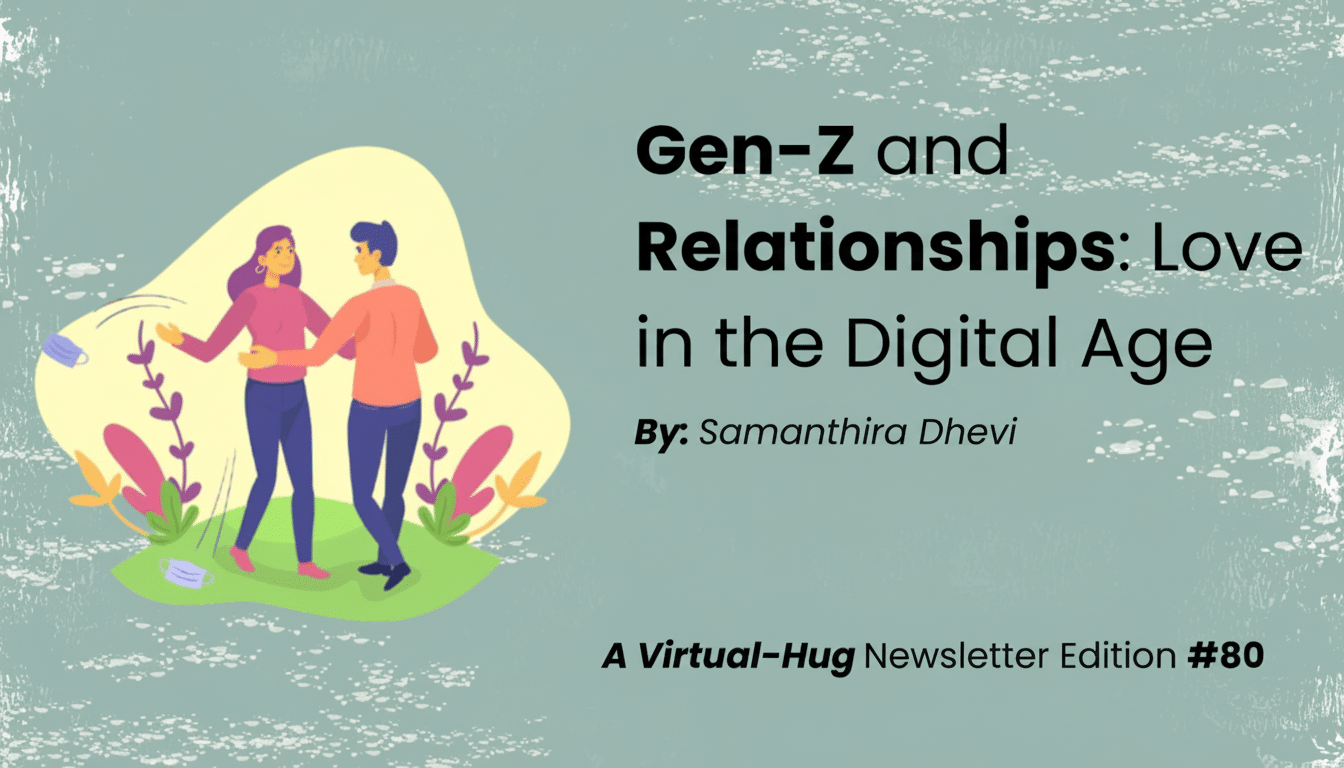
Remote and hybrid standards eliminated geography as a gatekeeper. Many remote-capable jobs, Gallup finds, now operate on a hybrid schedule that enables young adults to create careers in one city while keeping love alive in another.
There is a gender dimension, too. And with women continuing to take on more unpaid work generally, for some, physical distance can provide breathing room to safeguard autonomy and ambition. The charm isn’t emptiness for its own sake; it’s structure: time to work, study, and commune without abandoning intimacy.
Always-On Tech Makes Intimacy Ambient for LDRs
Long-distance used to signal pricey calls and extended pauses. Now, it is ambient intimacy: short FaceTime check-ins, Discord co-working, shared calendars and nightly voice notes. Meta has said WhatsApp processes tens of billions of messages a day — a large chunk stitching couples together across time zones.
Streaming and gaming made togetherness an activity, not just a call. SharePlay and Teleparty sync shows in real time; Switch or Steam co-ops make date night happen. Even small rituals — a Spotify Blend, a BeReal photo, a Snapchat Streak — provide the low-effort daily touches couples used to obtain only in person.
Hardware follows the trend. Haptics-enabled bracelets from companies like Bond Touch allow partners to send each other a tap when they’re on opposite ends of the continent, while digital photo frames and shared journaling systems build a living archive of their relationship.
Platforms Are Leaning In to Long-Distance Dating
Dating products increasingly assume distance. Tinder with its Passport and Bumble with a Travel Mode helped normalize matching outside ZIP codes during lockdown — and some users are carrying the habit forward. Newer entrants go one step further: Bumpy, an international-first app, says it has about 20 million downloads and reports that 60% of them are women; around 70% are looking for a serious cross-border relationship.
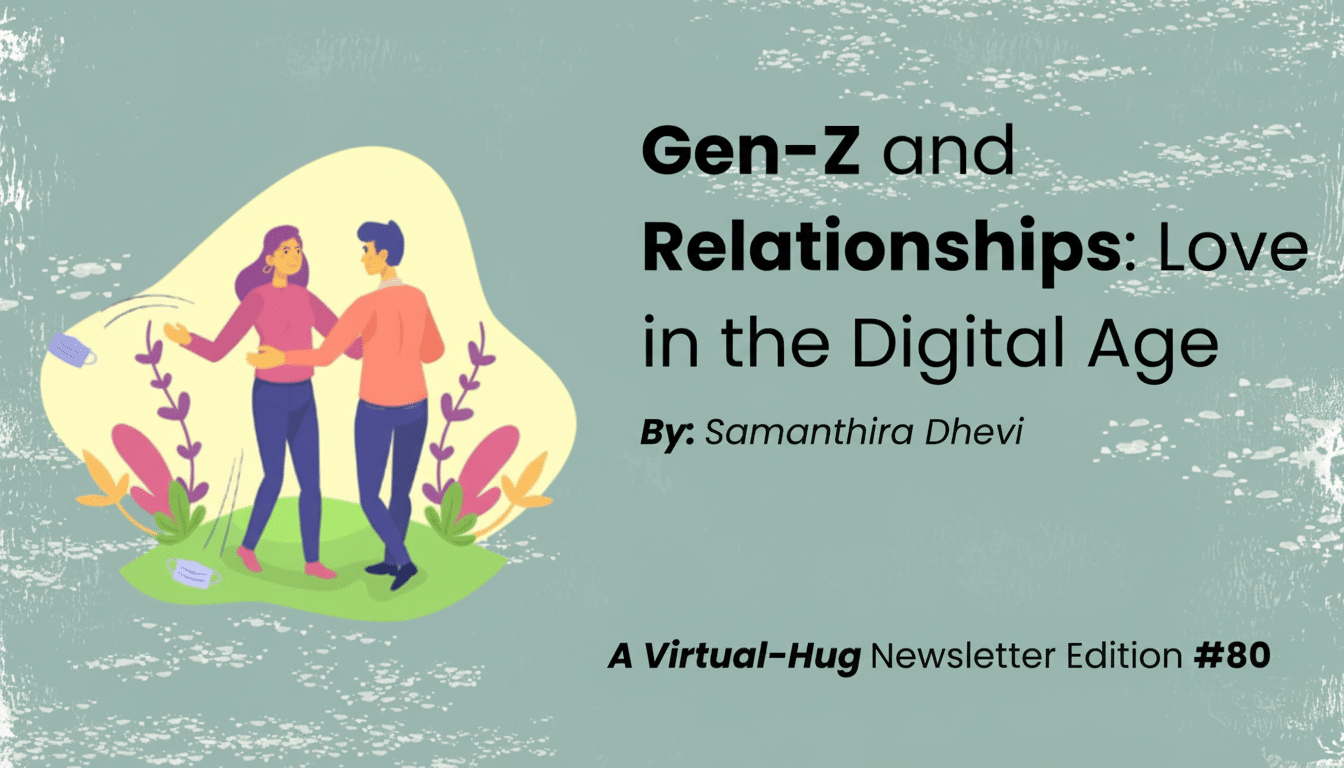
Even mainstream apps are now promising “third places” for couples: shared playlists, in-app video and prompts created to foster asynchronous conversation — all intended to keep the momentum while dates unfurl on mismatched calendars.
What the Research Says About Long-Distance Love
Pew Research Center has reported that adults under 30 are the most likely group to have used a dating app, showing how the internet has become a Gen Z version of the village hall or church social with one crucial difference: online communication feels like the norm for teens, not an eighteenth-century trial.
It’s important to note that long-distance does not have to mean unfulfillment. Studies in the Journal of Communication have found that couples in LDRs can still experience just as much or more relationship quality, likely because they’ve learned to communicate better and idealize each other less when life throws us into sharp relief.
The Risks Behind the Romance in Long-Distance Life
The internet lowers friction, but it cannot eliminate loneliness. The U.S. surgeon general has cautioned that there is a loneliness epidemic, and if long-distance or online relationships replace, rather than supplement offline community, isolation can be exacerbated.
Therapists also warn that avoidant attachment may cause people to feel safer “at a distance,” avoiding intimacy. The answer is accountability: open conversations about timing, travel, exclusivity and how closeness should work from week to week, not someday.
How Gen Z Does LDRs: Routines, Tools, and Tips
- Set rituals. Anchor the week in nonnegotiable touchpoints — a plan-ahead call on Sunday, midweek co-working, a monthly virtual date — and then let the rest flex.
- Design for time zones. Use shared calendars and time zone widgets, send asynchronous love language messages (voice notes, photo dumps) to avoid pressure to be “on” at the same hour.
- Budget like a team. Share a travel fund, keep tally of miles and points, and take turns flying. Transparency keeps hatred from seeping in between visits.
- Measure presence, not minutes. Quality trumps quantity: just one focused half-hour of video with phones down beats two distracted hours of scrolling side by side.
- Keep a local life. Close friendships, hobbies, and IRL routines serve as protective factors that help to make distance durable rather than brittle.
A Goal Reimagined by the Web for Modern Relationships
Gen Z not only inherited long-distance love; they reengineered it. With the internet as a connective tissue, distance gets to be a design choice — a way of honoring the “we” and the “me.” The technology was the spark; the mindset turned it into a goal.