


Instagram is rolling out a safety update that will alert parents when their teen repeatedly searches for suicide or self-harm content. The feature applies to families using Instagram’s supervision tools and is designed to flag patterns of risky behavior, not to surveil every search.
How Instagram’s New Teen Self-Harm Alerts Will Work for Parents
If a teen looks up terms like “suicide” or “self-harm” multiple times within a short window, Instagram will send an alert to the parent or guardian who has supervision enabled through the Family Center. Notifications may arrive via email, text message, WhatsApp, and in-app prompts.
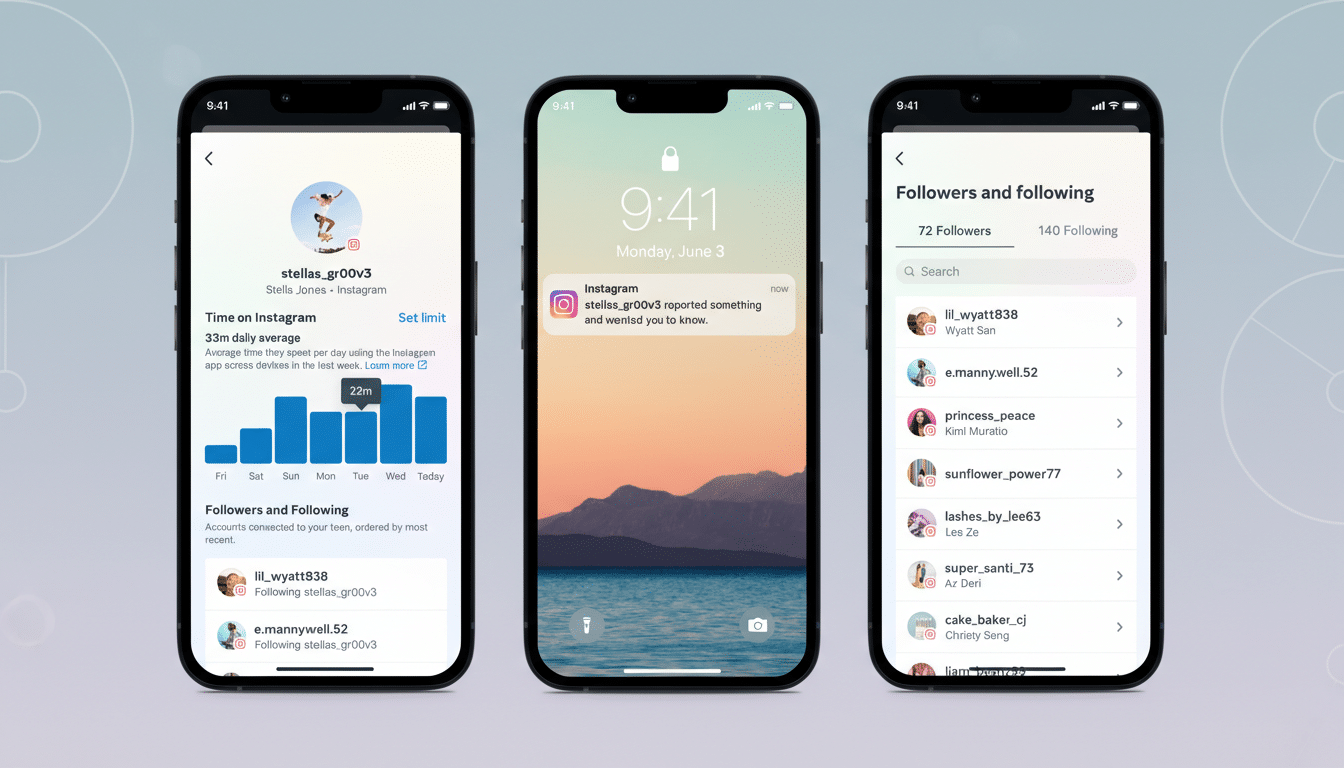
Parents will see a full-screen message summarizing what their teen searched for and links to clinically vetted resources. Instagram says both teens and parents will be informed about the change ahead of time, with the company emphasizing that it won’t ping parents for isolated or ambiguous searches to avoid over-notification.
The rollout starts for families in the US, the UK, Australia, and Canada, with additional countries to follow. Instagram adds that the alerting system complements existing safety tools, including resource pop-ups that appear when anyone searches for self-harm topics.
Privacy Protections and Guardrails for Instagram’s Alerts
These alerts are opt-in for parents who activate supervision; without that setup, no parent alert is sent. Instagram stresses it is not reporting every instance of a sensitive query and is focused on repeated, time-proximate searches that indicate potential imminent risk.
The company says it aims to balance safety and teen autonomy by limiting alerts to clear signals and pairing them with guidance rather than punitive controls. The alert does not expose a teen’s entire search history; it is scoped to the self-harm-related terms that triggered the warning.
Why Instagram Is Making This Move on Teen Safety Measures
Meta faces mounting legal and policy pressure around youth safety, including lawsuits alleging harm to teens from social media use and new regulatory regimes such as the UK’s Online Safety Act and enforcement tied to the EU’s Digital Services Act. The US Surgeon General has urged platforms to reduce exposure to harmful content for adolescents.
Instagram recently tightened teen defaults through restricted Teen Accounts and long-standing bans on content that glorifies self-harm. The new parental alerts add a proactive layer intended to catch escalating risk in real time. Meta says a similar alert will extend to situations where teens discuss suicide with Meta AI.

What the Data and Mental Health Experts Indicate Now
The CDC’s most recent Youth Risk Behavior Survey found that roughly 22% of US high school students have seriously considered attempting suicide, with higher rates among girls and LGBTQ+ youth. Public health experts note that early, compassionate intervention is a key protective factor.
Research on social media’s overall impact on teen mental health remains mixed, according to analyses by academic groups such as the Oxford Internet Institute. Still, clinicians warn that repeated exposure to content about self-harm can intensify distress in vulnerable teens, which is why timely, supportive outreach matters.
Pew Research Center reports that Instagram is among the most-used platforms by US teens, making platform-level safety levers consequential. The American Academy of Pediatrics encourages families to use collaborative approaches—open dialogue, shared plans, and professional support—over purely restrictive tactics.
What Parents Can Do Now to Prepare and Support Their Teens
Set up Instagram supervision through the Family Center and discuss the new alerts with your teen in advance. Explain that any alert is a signal to check in, not to punish, and agree on steps you’ll take together if a notification arrives.
Familiarize yourself with resources Instagram includes in the alert, such as crisis hotlines and evidence-based guides. Consider pairing platform tools with broader family safety measures, including app time limits, content filters, and a written family media plan.
Most importantly, focus on connection. Experts recommend asking open questions, listening without judgment, and seeking professional help if warning signs persist. The alert is a starting point for care, not a diagnosis—and used well, it could help families step in before a crisis escalates.