


Instagram is exploring a small but socially tricky control that could have a big impact on how people share: the ability to remove yourself from someone else’s Close Friends list. Internal prototypes spotted by independent reverse engineer Alessandro Paluzzi suggest users would be able to opt out of seeing a person’s Close Friends Stories, Reels, and Notes in the future—without waiting for that person to edit their audience.
The feature isn’t being tested publicly and may never ship, according to reporting from TechCrunch. In the prototype, Instagram warns that leaving a list means you won’t see that user’s Close Friends content unless they add you back. It’s unclear whether creators would receive a notification when someone bows out, a design choice that could determine whether this feels like a polite boundary-setting tool or a new source of social friction.
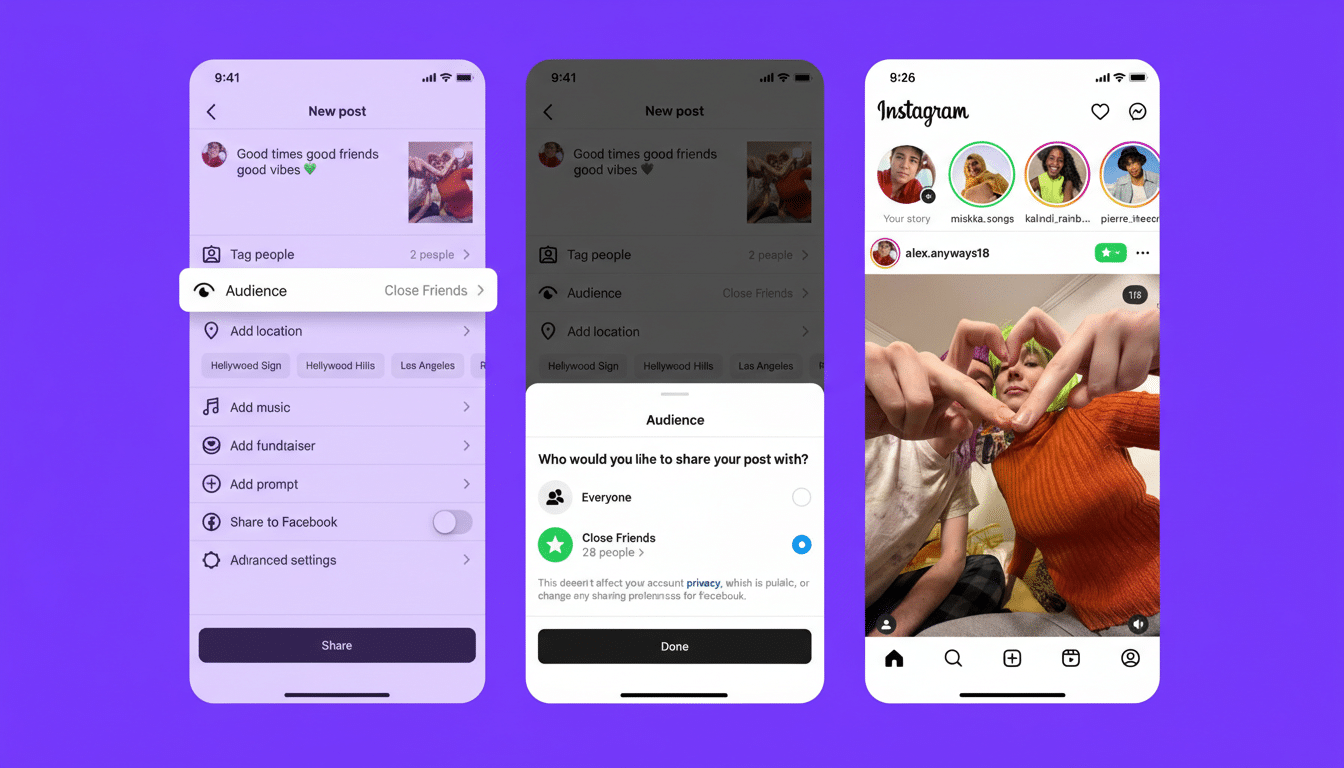
What Leaving Close Friends Could Change for Users
Close Friends launched in 2018 to let people share more personal updates with a smaller circle, flagged by the familiar green ring on Stories. Today it also applies to Reels and Notes. But if you’re added to someone’s intimate list without wanting the extra feed volume—or the content is just not for you—there’s no clean way to opt out. You can mute or restrict, but you remain on their list, and the green ring keeps appearing.
A self-removal option would thread a middle path between heavy-handed tools like blocking and quiet tactics like muting. It would reduce unwanted content while giving the sharer accurate feedback through decreased reach, not interpersonal drama. The key question is visibility: if Instagram keeps departures silent, it functions like a dignity-preserving unsubscribe. If it triggers alerts or obvious signals, users may hesitate to use it.
Why Instagram Might Add This Feature Now
Instagram counts more than 2 billion monthly users, according to Meta executives, and Stories alone have been used by hundreds of millions daily. As audiences balloon, “small circle” features can sprawl into medium-sized crowds. People add coworkers or acquaintances to Close Friends for a one-off reason and then never prune the list, leading to chronic oversharing and notification fatigue.
Giving recipients a way to exit aligns with a broader industry trend toward user controls that mitigate overload—think quiet mode, mute, and custom audience lists. It also reduces incentive for blunt actions like unfollowing or blocking, which can damage relationships. In product terms, it’s a lightweight boundary that keeps engagement healthier without undermining private sharing for the people who truly want it.
Ties to Meta’s Ongoing Subscription Experiments
The prototype surfaces alongside reports that Meta is exploring a premium tier across WhatsApp, Facebook, and Instagram, with perks such as new AI features and advanced tools. TechCrunch has noted experiments ranging from anonymous Story viewing to seeing which followers don’t follow back and creating unlimited audience lists. Paluzzi has also hinted at features like a Super Like and expanded story viewer insights.
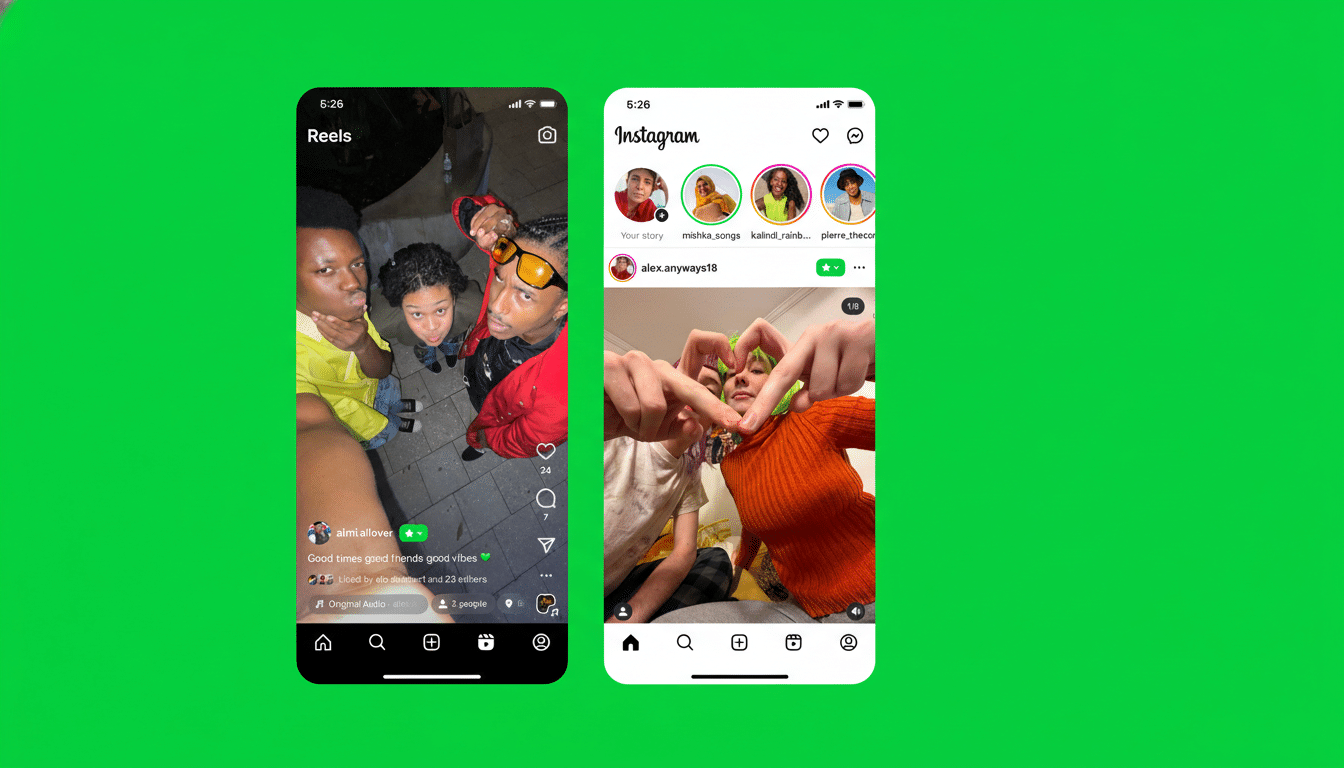
None of these experiments are guaranteed, and they are distinct from the existing Meta Verified program. But they signal a push to segment power features for users who want more control and analytics. A self-removal option for Close Friends fits that philosophy—giving people finer-grained agency over what they see and where they appear—whether or not it ultimately sits behind a paywall.
Privacy and Etiquette Implications for Close Friends
Design details matter. If leaving a Close Friends list is private and reversible, it encourages use for legitimate reasons: content fatigue, life changes, or simply misalignment. If it creates visible gaps—say, fewer green rings viewed or engagement drops that are easy to pinpoint—users may fear repercussions. Platforms have increasingly favored “silent exits” to avoid interpersonal blowback; Instagram’s decision here will set the tone.
There’s also a transparency trade-off. Sharers benefit from understanding their audience, but overt signals can pressure recipients. A balanced approach would preserve creator insights at the aggregate level while keeping individual departures discreet.
What You Can Do Today While Instagram Tests
Until (and unless) self-removal arrives, the best alternatives are existing controls. You can mute someone’s Stories or Posts to stop seeing their updates without unfollowing. You can also restrict or block in more severe cases. If you’re the one sharing, periodically review your Close Friends list and consider using multiple audience lists for different contexts to avoid overexposing any single group.
As with many Instagram experiments, this feature may evolve or disappear before public release. But the direction is clear: more agency for recipients, more nuance for private sharing, and fewer awkward workarounds. Keep an eye on official announcements from Instagram and continued digging by independent researchers like Alessandro Paluzzi and coverage from outlets tracking Meta’s roadmap.