


Instacart said it is terminating the experiment with “immediate effect” at the item level on its marketplace, ending a program that presented different prices to different shoppers for the same products. The company also verified that retailers will no longer be able to use the Eversight pricing software on Instacart, and that two customers purchasing the same item from the same store at the same time should now see consistent pricing.
What Instacart Is Stopping in Its Pricing Tests
The discontinued practice was focused on AI-powered A/B tests that allowed retail partners to test multiple prices on a single item and monitor conversion. Instacart had cast the experiments as small and random, not “dynamic pricing” that tracks demand, or “surveillance pricing” tied to a shopper’s identity or how they behave. However, differential pricing of identical items sold in the same store itself undercut customers’ expectations for price parity at checkout.
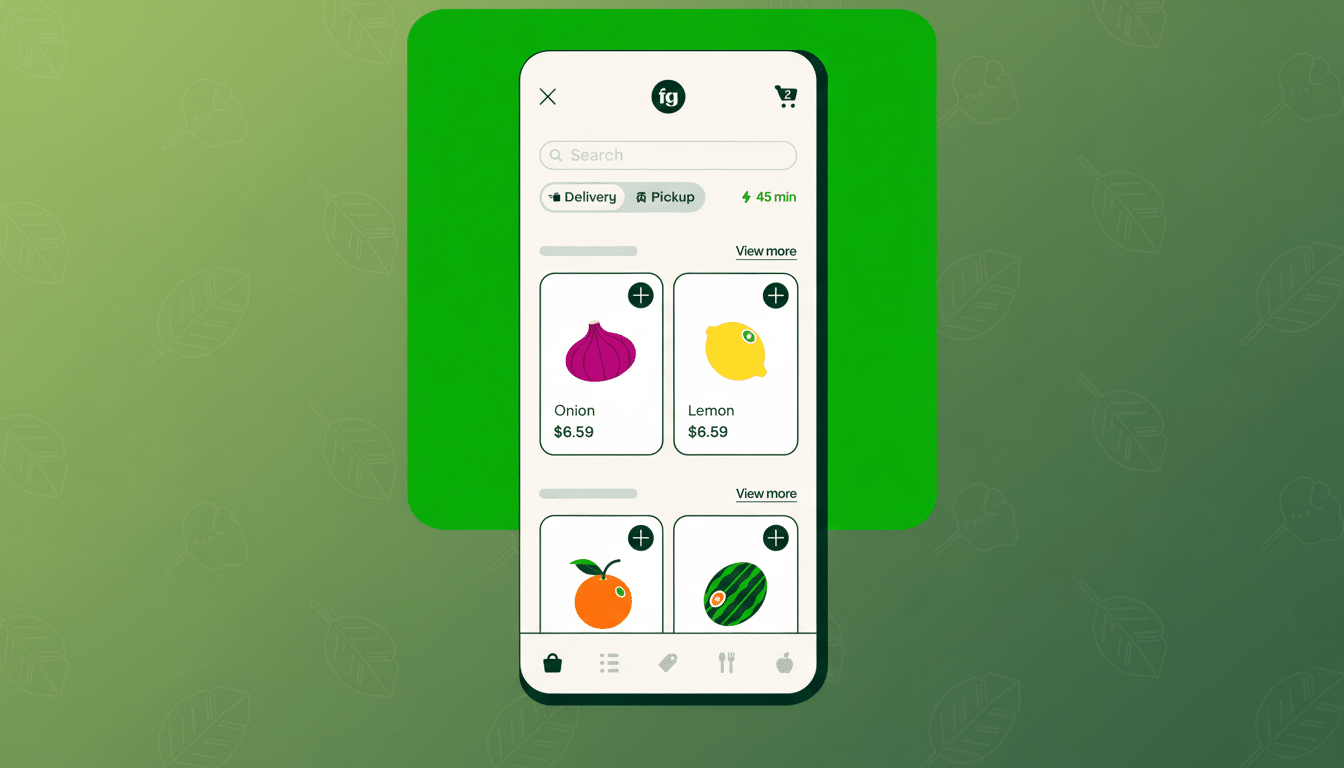
The reversal comes after Instacart admitted its earlier method “missed the mark” with some customers. Inside the company, it means Instacart’s Eversight toolkit—which it purchased in 2022—is off-limits for item price tests on its platform, focusing instead all optimization initiatives on non-price levers such as promotions, coupons, and merchandising.
Why the pricing tests came under fire from consumers
An investigation by Consumer Reports recently discovered that the same products on Instacart may display different prices to different users, with a spread of up to 23 percent. Based on a typical family’s annual grocery spend, the report calculated a potential $1,200 swing. Though online price dispersion is well-established in academic literature, groceries occupy a uniquely delicate category: People expect consistency when comparing digital shelves that reflect physical ones.
For a long time, experts have identified several models: experiments that randomly choose prices to assess demand; dynamic pricing adjusted according to the market; and personalized pricing based on individual profiles. Consumer Reports’ findings have fueled attention to any method that creates silent, customer-to-customer price disparities with no clear disclosure.
Regulatory and political pressure intensifies on Instacart
Lawmakers amplified the pressure. Senator Ruben Gallego released a bill to end so-called “surveillance pricing.” Representative Angie Craig called on the company for answers in a letter, and Senator Chuck Schumer asked the Federal Trade Commission to investigate. Citing the Consumer Reports work, both raised algorithmic pricing as a transparency and fairness issue for households already feeling strained by food inflation.

Also on Monday, Instacart agreed to pay $60 million to consumers to settle an F.T.C. lawsuit that accused it of deceptive marketing practices, in particular, not telling the truth about “free delivery” and failing to plainly disclose terms for its Instacart+ service. The company disputed the allegations. Unrelated to the price testing, the settlement did further focus attention on how fees, memberships, and pricing are presented to shoppers.
What changes for consumers and retailers on Instacart
For shoppers, the conclusion of item-level price tests will cut inconsistent variations among accounts. It does not adjust base prices set by retailers, nor strip out service, delivery, or other marketplace fees that affect the final total. But uniform item pricing at the store level should make comparisons easier and help restore faith in digital carts that are intended to mimic physical aisles.
For retailers, forfeiting on-platform pricing experimentation closes off a powerful optimization lever. Look for increased focus on promotions, digital coupons, targeted ad placements, and assortment tweaks to push conversion. Instacart’s ad and merchandising stack—already a significant revenue engine—also could find itself in the spotlight as merchants move from price testing to creative and promotional experimentation.
The Broader Context For Algorithmic Pricing
Algorithmic pricing is common across digital commerce, but groceries are uniquely trust-sensitive. Studies by outfits like the Brookings Institution and MIT have sounded alarms about how inscrutable personalization can undermine consumer trust. Regulators are paying more attention to disclosures and consent around automated decision-making, and marketplaces are re-evaluating where exactly they should draw the line between benign experimentation and practices that seem unfair.
Instacart’s move highlights that uniformity, at least at the item level within one store, now outweighs those incremental benefits gained from price testing. Now the company will be measured on execution: clear disclosures, consistent receipts, and parity across shoppers. If they stand, the ruling could establish a wider precedent for when algorithmic tools are used in crucial categories like groceries.