


One of Android’s most popular third-party launchers has a new home — and a new business model. Instabridge, a Swedish company best known for its public Wi‑Fi app, has acquired Nova Launcher from Branch Metrics. Almost immediately, users began spotting ad infrastructure inside the latest Nova build, and some are already seeing ad placements live.
For a tool with 50M+ installs on Google Play and a decade of goodwill among power users, the change lands with a thud. Nova’s clean, tweakable experience has long been the go-to for people who want Pixel-grade polish without vendor bloat. Now the question is whether ads — even limited to the free tier — will erode that trust.
Detailed Changes Introduced in Nova Launcher v8.2.4
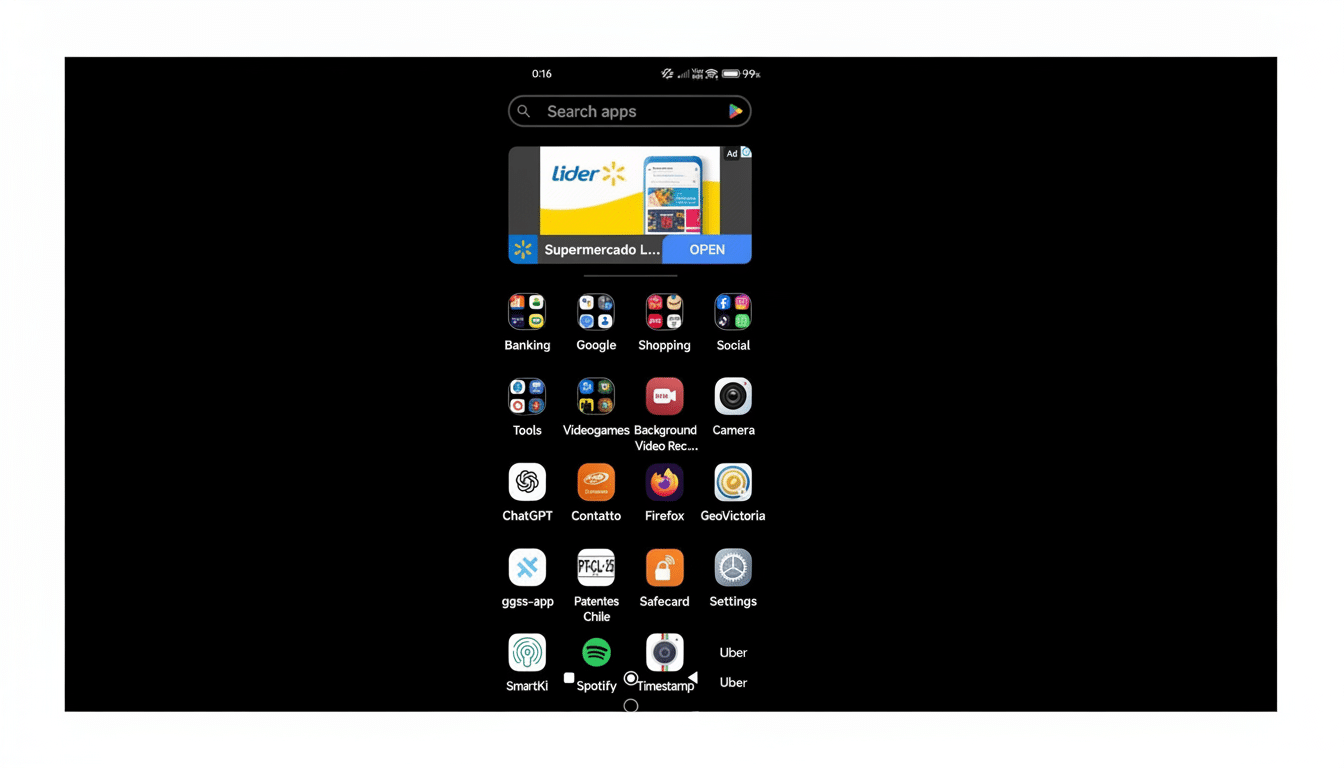
Developers examining Nova Launcher v8.2.4 report newly added hooks for Google AdMob and the Meta Audience Network, along with fresh strings that spell out an ad rollout strategy. Community sleuths on Lemdro.id flagged references such as “Nova is here to stay” and “To keep Nova free and actively developed, we’re introducing ads,” plus a “Sponsored” label for widgets.
Under the hood, the update also includes Mobile Rich Media Ad Interface Definitions (MRAID) prompts — the Interactive Advertising Bureau’s standard for interactive in‑app ads. Notably, strings suggest ads could request actions like creating calendar events or saving images, which MRAID supports via explicit user permission prompts. Early posts on Reddit show ad tiles surfacing in the app drawer for some users.
These changes join the existing analytics code that first appeared in a previous Nova build under Branch’s ownership, signaling a deliberate shift toward an ad-supported free version backed by mainstream ad networks.
What Instabridge Says Versus What Users See
Instabridge says it does not plan to reinvent Nova overnight and claims it aims to be a “responsible owner.” The company is exploring paid tiers and ad-supported options, pledging that Nova Prime will remain ad-free and that prior Prime purchases will be honored. It also promises minimal, purpose-driven data collection and says it does not sell personal data.
Even so, the presence of ad SDKs and live sightings of ads in the wild contradict the idea that ads are only a future possibility. Instabridge also says it is evaluating whether Nova can become open source, though there’s no decision yet — and open sourcing alone wouldn’t eliminate the need for a sustainable revenue stream.
A Beloved Launcher With a Complicated Ownership History
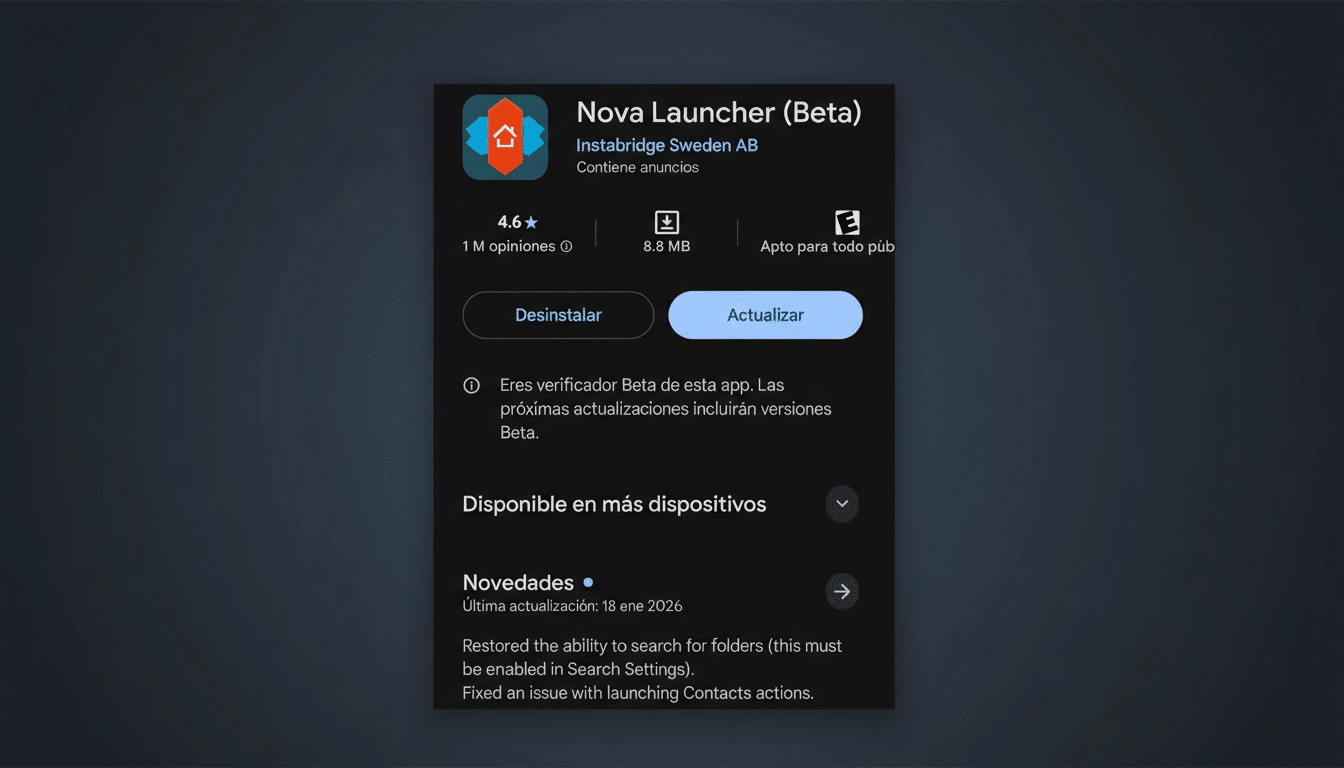
Nova’s trajectory has been anything but linear. Branch Metrics previously acquired the launcher and kept founder Kevin Barry involved. After Barry’s exit, Nova updates continued to land — notably fixing an app drawer crash — but the project’s future felt uncertain. The handoff to Instabridge formalizes a new chapter, with a clearer monetization direction attached.
That context matters: Nova has long balanced deep customization with a light footprint, becoming a staple in Android personalization. Major changes to funding models tend to ripple through enthusiast communities quickly.
Privacy Implications and Monetization Trade-Offs Today
Ad-supported apps are the norm on mobile, but launchers occupy a sensitive layer of the user experience — they see app usage, handle gestures, and sit at the center of daily navigation. Even if ads only appear in a discrete surface like the app drawer, their presence in a core system role can feel intrusive.
Instabridge’s own Wi‑Fi app has drawn user reviews criticizing aggressive prompts and heavy ad load. That history raises eyebrows as Nova integrates ad tech. The company’s data pledges will be scrutinized closely, and MRAID prompts that request calendar or storage access will likely face strong pushback unless explained clearly and used sparingly.
What the Changes Mean for Nova Launcher Users Now
If you rely on Nova, your choices are straightforward.
- Stay on the free track and tolerate emerging ads.
- Upgrade to Nova Prime to keep the experience ad-free as promised.
- Postpone the change by avoiding the latest update.
Some will inevitably consider alternatives like Lawnchair (open source), Niagara (lightweight with paid options), or Microsoft Launcher (enterprise-leaning), each with its own trade-offs.
The longer-term picture hinges on execution. If Instabridge limits ad frequency, respects permissions, and communicates transparently, Nova could maintain its status as the default choice for Android tinkerers. If the ad load grows or data practices feel opaque, that loyalty may evaporate quickly — and the launcher space has enough credible options to keep pressure on any missteps.
For now, Nova remains fast, familiar, and deeply configurable. But with ad infrastructure already shipping, this acquisition is more than a change of ownership — it’s a test of how much monetization Android’s customization community will accept at the heart of their home screens.