


The demand for aesthetic treatments continues to grow, creating new opportunities for healthcare professionals who want to expand their clinical skills. Injectable procedures such as neuromodulators and dermal fillers require a combination of medical knowledge, technical precision, and sound clinical judgment.
This is why injector training classes play a critical role in aesthetic medicine. Comprehensive education helps practitioners understand facial anatomy, patient assessment, treatment planning, and complication management while developing the practical skills needed to perform procedures safely.
- Why Injector Training Classes Matter for Patient Safety
- The Role of Hands-On Experience in Developing Competence
- Injector Training Classes Online
- Best Injector Training Classes
- Advanced Injector Training and Skill Development
- Master Injector Training and Professional Growth
- Injector Training Classes Near Me
- Injector Courses Near Me
- How Training Supports Long-Term Career Success
- Conclusion
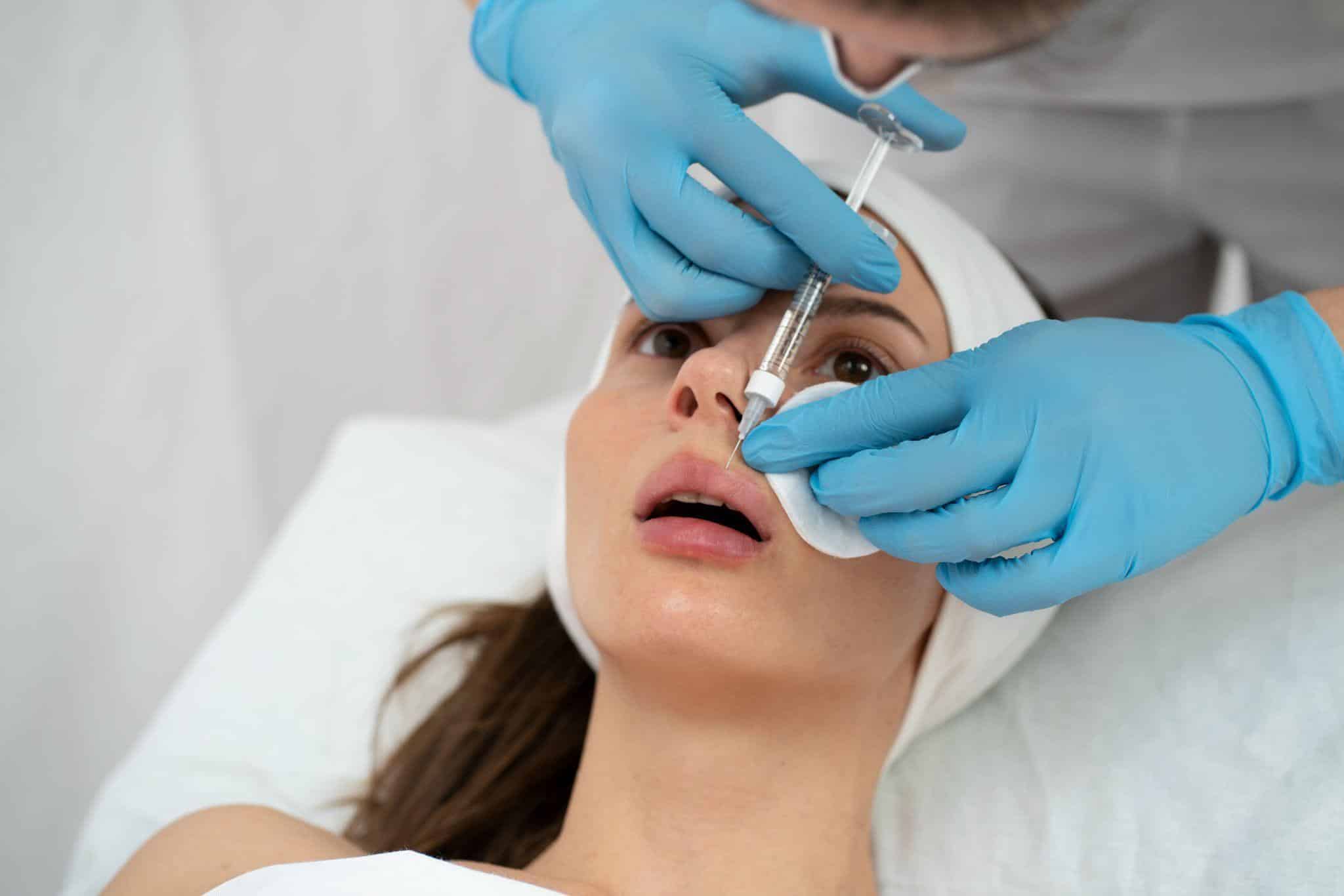
Whether someone is entering the field for the first time or pursuing advanced injector training, structured education serves as the foundation for delivering consistent results and maintaining high standards of patient care.
Why Injector Training Classes Matter for Patient Safety
Patient safety remains one of the most important priorities in aesthetic medicine. While injectable treatments are widely performed, they are still medical procedures that require proper training and clinical oversight.
Millions of injectable treatments are performed worldwide each year. As procedure volume continues to grow, ongoing education and adherence to established best practices are essential for minimizing risks, enhancing patient safety, and supporting positive treatment outcomes.
Understanding More Than Injection Techniques
Effective training goes beyond learning where to place a needle or cannula. Practitioners must understand:
- Facial anatomy and vascular structures
- Patient assessment and consultation techniques
- Product selection and treatment planning
- Infection control protocols
- Recognition and management of complications
- Ethical and professional responsibilities
These competencies help practitioners make informed decisions before, during, and after treatment.
Expert Perspective
Many educators in aesthetic medicine emphasize that strong anatomical knowledge is one of the most important factors in preventing complications and improving treatment outcomes. Understanding facial structures allows practitioners to approach treatments with greater precision and confidence.
The Role of Hands-On Experience in Developing Competence
Classroom learning provides essential theoretical knowledge, but practical experience is equally important.
Many injector training school programs combine lectures, demonstrations, and supervised clinical practice. This blended approach allows practitioners to apply concepts in real-world treatment settings.
Real-World Example
Consider a registered nurse transitioning into aesthetic medicine. Learning facial anatomy through coursework provides an important foundation. However, observing patient consultations, developing treatment plans, and performing supervised injections help bridge the gap between theory and clinical practice.
This hands-on experience often improves:
- Injection precision
- Product placement accuracy
- Patient communication skills
- Clinical decision-making
- Confidence during procedures
Building Muscle Memory and Technique
Like many clinical skills, injection techniques improve through repetition and guided feedback.
Supervised practice enables practitioners to refine:
- Needle and cannula handling
- Injection depth control
- Product distribution
- Patient positioning
- Treatment assessment
These skills contribute to safer procedures and more consistent outcomes.
Injector Training Classes Online
Online education has become an increasingly valuable component of aesthetic training.
Many injector training classes online offer flexible access to educational content, allowing busy healthcare professionals to learn foundational concepts at their own pace.
Benefits of Online Learning
Online programs can support learning through:
- Anatomy modules
- Treatment videos
- Case studies
- Safety protocols
- Product education
- Assessment tools
These resources help practitioners build theoretical knowledge before attending hands-on workshops.
Understanding the Limitations
While online learning provides convenience and accessibility, practical skill development still requires supervised clinical experience.
The most effective educational pathways often combine online coursework with in-person training sessions that allow practitioners to practice techniques under expert guidance.
Best Injector Training Classes
Not all training programs provide the same educational experience.
When evaluating the best injector training classes, healthcare professionals should consider several factors beyond course cost or duration.
Key Features to Look For
Training Element | Why It Matters |
Facial anatomy education | Supports safer treatment planning |
Hands-on training | Builds practical competence |
Experienced instructors | Provides expert guidance |
Complication management education | Improves patient safety |
Small-group instruction | Allows individualized feedback |
Continuing education opportunities | Supports ongoing development |
Questions to Ask Before Enrolling
- Does the program include supervised hands-on experience?
- Are instructors actively practicing aesthetic clinicians?
- Is complication recognition and management covered?
- Are treatment protocols evidence-based?
- Are advanced learning opportunities available?
Programs that address these areas often provide a stronger educational foundation.
Advanced Injector Training and Skill Development
As practitioners gain experience, advanced injector training becomes increasingly important.
The field of aesthetic medicine evolves rapidly, with new techniques, products, and treatment approaches emerging regularly.
Why Continuing Education Matters
Ongoing education helps practitioners:
- Stay current with industry developments
- Improve treatment outcomes
- Expand service offerings
- Strengthen patient safety practices
- Refine advanced techniques
Experienced injectors often pursue specialized training in areas such as full-face assessment, advanced filler placement, and complication management.
Real-World Example
An injector who initially focuses on basic neuromodulator treatments may later pursue advanced training to develop expertise in facial balancing, combination therapies, and comprehensive treatment planning.
This progression supports both professional growth and improved patient outcomes.
Master Injector Training and Professional Growth
Many experienced practitioners eventually pursue master injector training programs designed to enhance advanced clinical skills.
These programs often emphasize:
- Comprehensive facial assessment
- Advanced anatomy review
- Complex case management
- Leadership and mentorship
- Evidence-based treatment strategies
Building Professional Credibility
Patients increasingly seek providers who demonstrate a commitment to education and professional development.
Advanced training can contribute to:
- Greater patient confidence
- Enhanced professional reputation
- Increased referral opportunities
- Stronger career advancement prospects
Professional credibility is often built through a combination of education, clinical experience, and consistent patient outcomes.
Injector Training Classes Near Me
Many healthcare professionals begin their search with terms such as “injector training classes near me.”
Local training opportunities offer several advantages.
Benefits of In-Person Learning
In-person courses often provide:
- Live demonstrations
- Direct instructor feedback
- Networking opportunities
- Hands-on clinical practice
- Real-time question and answer sessions
These experiences can accelerate skill development and improve learning retention.
Evaluating Local Programs
When researching local options, practitioners should review:
- Instructor qualifications
- Course curriculum
- Clinical training opportunities
- Student reviews
- Continuing education offerings
Choosing a program based on educational quality rather than convenience alone often leads to better long-term outcomes.
Injector Courses Near Me
Searching for injector courses near me can reveal a wide variety of educational options.
However, course quality should remain the primary consideration.
Characteristics of High-Quality Courses
Strong programs typically provide:
- Structured curriculum
- Evidence-based education
- Safety-focused instruction
- Supervised clinical training
- Ongoing support and mentorship
Practitioners who invest in comprehensive education often develop stronger technical skills and greater clinical confidence.
How Training Supports Long-Term Career Success
Beyond patient safety and technical competence, training plays an important role in career development.
Healthcare professionals entering aesthetic medicine frequently discover that education influences every stage of their professional journey.
Long-Term Benefits of Comprehensive Training
- Improved patient satisfaction
- Increased clinical confidence
- Enhanced risk awareness
- Stronger professional credibility
- Greater career flexibility
- Expanded treatment capabilities
As aesthetic medicine continues to evolve, practitioners who prioritize education are often better positioned to adapt to new opportunities and industry standards.
Conclusion
Injector training classes do far more than teach injection techniques. They provide the anatomical knowledge, hands-on experience, clinical judgment, and professional confidence needed to perform aesthetic treatments safely and effectively.
From foundational education to advanced injector training and master injector training programs, continuous learning helps practitioners improve patient outcomes, reduce risks, and build lasting careers in aesthetic medicine. As the industry continues to grow and evolve, one question remains: how can healthcare professionals continue strengthening their skills to meet the rising expectations of patients seeking safe, high-quality aesthetic care?