


The iPhone Air may be Apple’s thinnest phone, but its teardown shows a surprisingly repair‑friendly design.
iFixit’s early assessment, which rates the device a 7 out of 10 for repairability — on par with Apple’s most fixable recent models — credits understanding of internal architecture choices that favor access and modularity and lean toward cleaner part swaps.
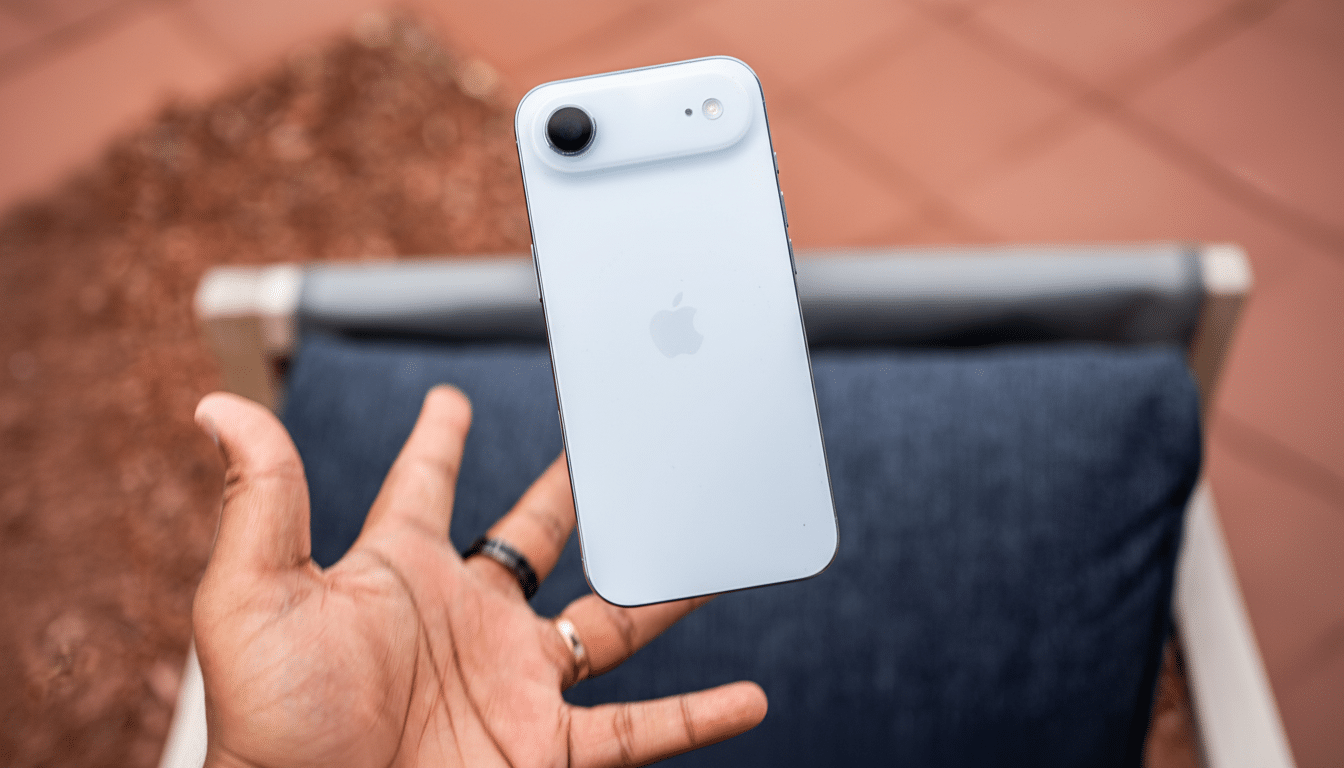
Inside the iPhone Air: Repair-Friendly Layout
In the middle of the Air is a long battery encased in metal and connected by electrically debonding adhesive. It’s that combination that matters: the protective can, which enhances life, while EDA allows technicians to crack open the pack for removal without prying fights or heat guns. Battery swaps are the most usual phone repair, so that one shift significantly lowers both time and risk.
To free up space for that battery, Apple clustered the silicon at the top — under where the camera “plateau” steps down — of each model.
The same Wi‑Fi and consolidated modem approaches we’ve seen inside iPhones spill out here in the A19 Pro, new N1 Wi‑Fi chip, C1X modem combo lying low on a tidy logic board stack. We chose to concentrate the high‑value portion of that job into a single zone in order to facilitate board-level service and reduce collateral damage when disassembling the iPhone.
Small touches matter too. Cables and brackets around the core are neat, there aren’t any more overlapping layers than in some older iPhones. That means you’re not mucking around with a complete tear down to get at one part, which is always good news for both home repairers and third-party shops.
Thinner But Stiffer: Structural Trade-Offs
At just 5.6mm, the Air raises questions about bend resistance. Apple has countered that with a titanium frame, and early torture testing from JerryRigEverything indicates the chassis can take some serious flex without any sort of catastrophic failure. High-resolution CT scans from iFixit suggest a more nuanced story: The reinforced center is strong against bending, but the relatively narrow top and bottom are comparably more vulnerable.
Finish durability is another early complaint. A few purchasers say the scratches tend to appear earlier than anticipated. That’s not a teardown problem, but it does relate to longevity; for as slim as this device is, there are still smarter eighth-gen insurance policies such as a case and screen protector.
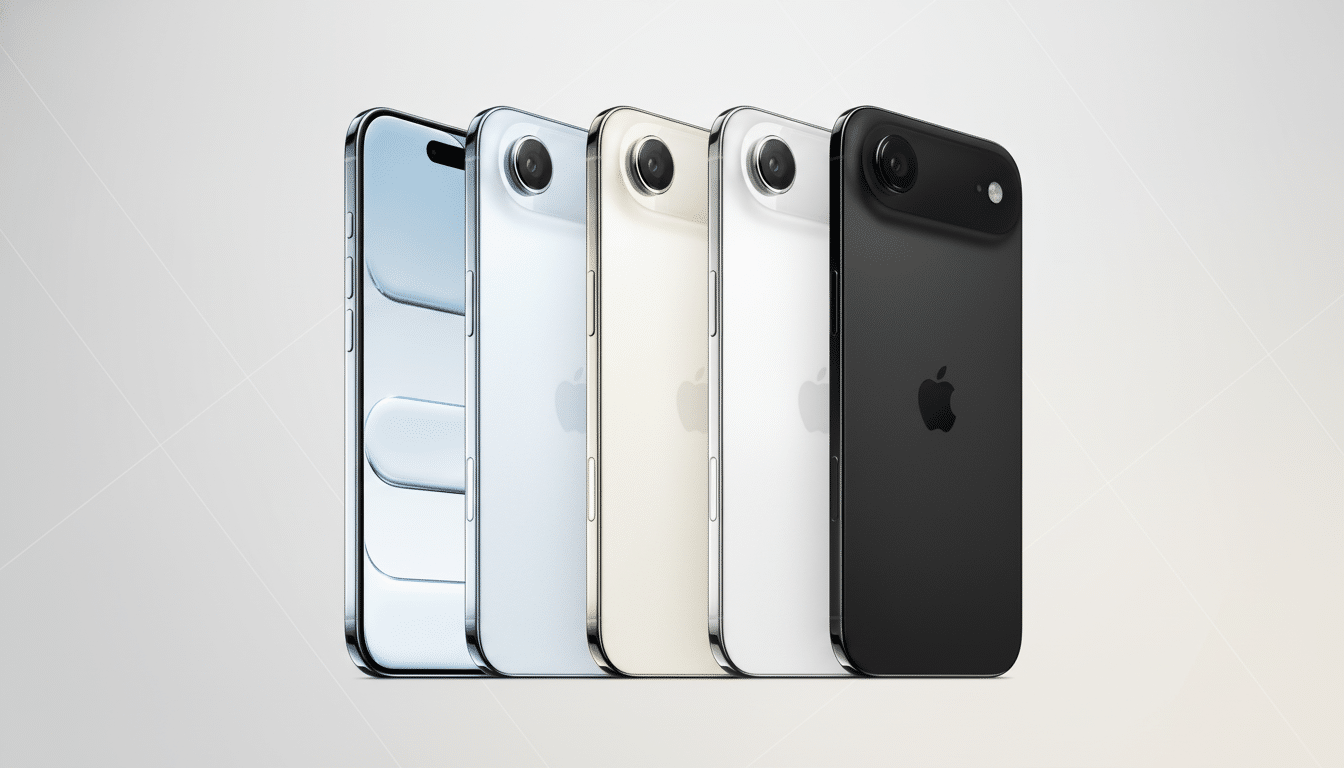
Ports, parts, and policies shaping iPhone Air repairs
The USB‑C port is what iFixit calls “decently modular,” so a dead or fouled connector can be replaced without having to swap out the entire main board. It’s a crucial repair in the era of USB‑C, where ports also function as charging, data and accessory hubs. iFixit also notes that Apple doesn’t do USB‑C port replacement in‑house, though third parties should be able to handle it — all of which bode well for turnaround times and prices.
Documentation also counts. Apple has promised to make repair manuals on day one, providing DIYers and independents a direct route to service. The 7/10 rating is a placeholder until official parts are available, and iFixit will update the score once it’s known when or if you can get your hands on some of these components. That proviso is crucial: if critical subassemblies are gated behind per‑serialization and post‑repair software links, then the functional ease of repair can plummet, even if the hardware is friendly.
What iFixit’s 7 out of 10 repair score means for consumers
From the buyer side, 7/10 is the difference between needing to stick with the phone you bought for five years of regular maintenance and getting a new one sooner just because one thing broke. Batteries tend to age out first; a design that allows you to easily swap one out removes some of the drama and extends the usable life and lowers ownership costs.
There’s a bigger environmental dividend, too. In its Global E‑waste Monitor, international organizations estimate that the planet produced about 62 million metric tons of electronic waste in 2022 and is on track to generate around 82 million tons by 2030. Easing the servicing of high‑volume devices is one of the best levers to slow that curve.
Competition context underscores Apple’s progress. iFixit gets at what is essentially the iPhone Air’s competition, Samsung’s S7 Edge, scored a 5 for repairability. Scores aren’t everything, but they give a clear picture of pragmatic factors such as adhesive use, part modularity, access paths and manufacturer cooperation; these are not areas where the Air is weighted down by poor design.
The remaining questions for parts access and pairing
There are two things that ultimately will determine whether the Air’s hardware potential translates into real‑world wins. On parts pairing and calibration: swaps of displays, batteries or cameras should not require proprietary tools, or post-repair handshakes with a server somewhere that only the manufacturer controls. And second, sustainable parts access: Parts need to be made available at a reasonable price and distributed to independent shops if we want the repair ecosystem to thrive.
Even after those open items, the signal from the teardown is loud and clear. In moving the battery to the center, embracing electrically debonding adhesive, tightening board layout and maintaining a modular USB‑C port, Apple has given us all an ultra-thin phone that doesn’t require you to sacrifice it to repair. And if the 7 in iFixit’s preliminary 7 holds up once parts arrive, the iPhone Air will… well, live as an anomalous case of design minimalism that doesn’t throw repairability out with the trash, which is precisely what consumers, technicians and regulators have been crying for.