


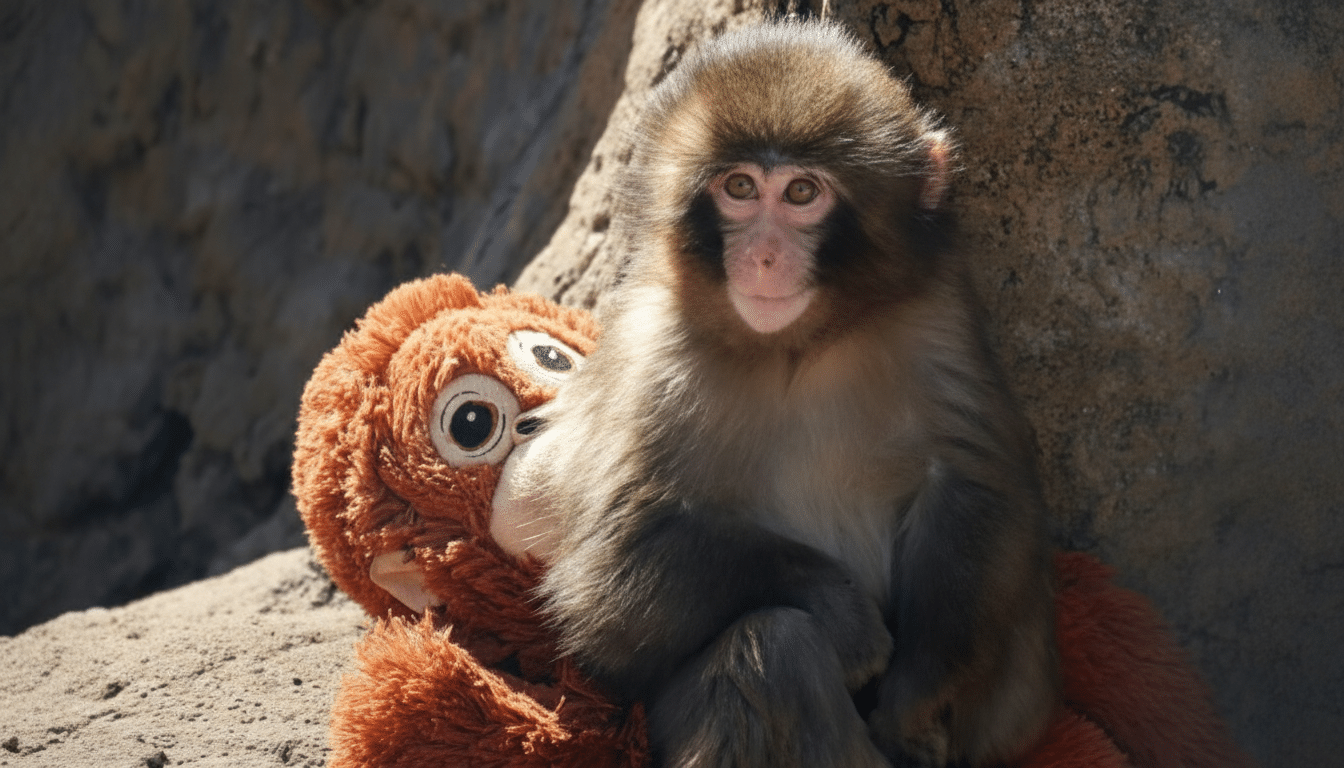
The internet fell hard for Punch, a young Japanese macaque often seen clutching a stuffed toy. So when a clip circulated showing another monkey dragging him across the enclosure at Ichikawa City Zoological and Botanical Gardens, alarm spread fast. After a flurry of posts and speculation, the zoo says Punch is safe and the moment that worried viewers was normal macaque social behavior.
Viral Panic Meets Primate Reality at Ichikawa Zoo
In a statement on its official social media account, Ichikawa City Zoo directly addressed the video that triggered concern. Keepers explained that Punch approached an infant macaque to interact; the infant retreated, and an adult—likely the infant’s mother—stepped in and pulled Punch away. The behavior looked harsh to human eyes, the zoo acknowledged, but it was corrective rather than violent.
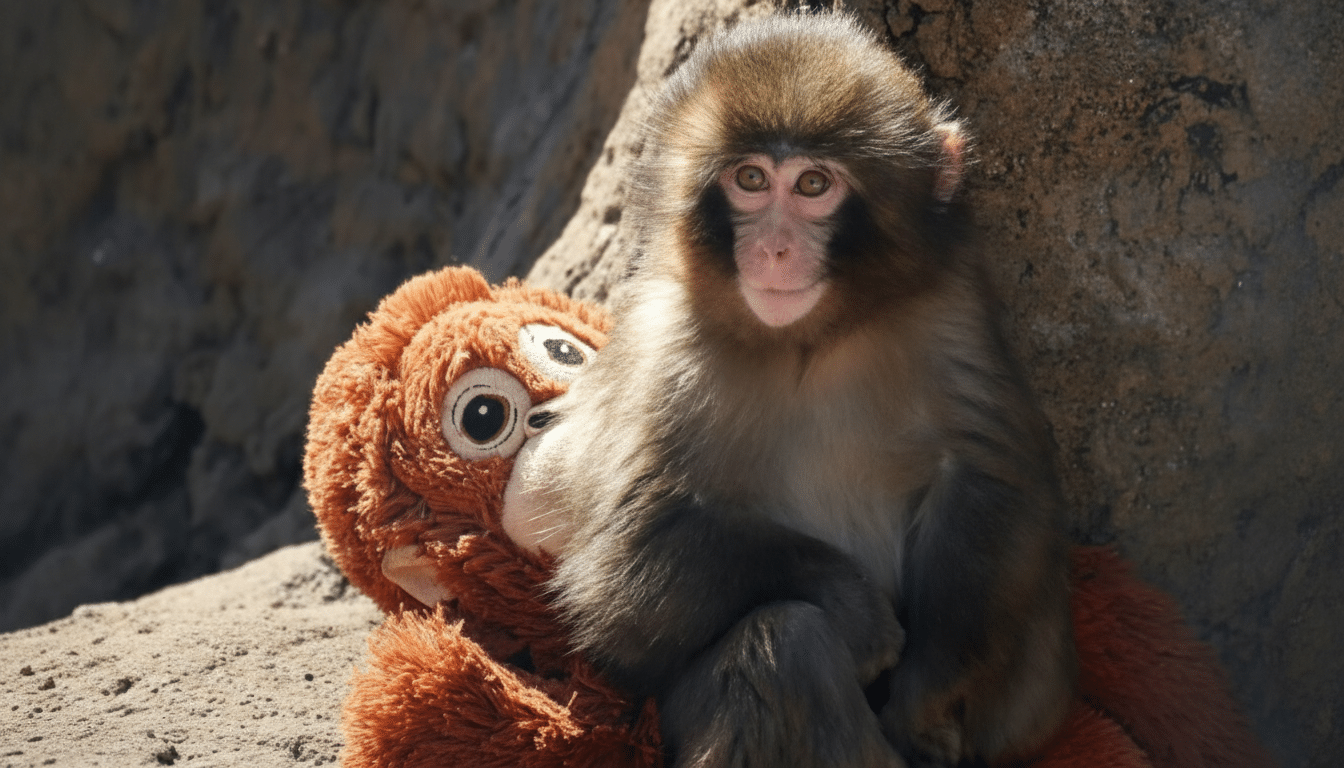
Crucially, staff reported no injuries. After the incident, Punch returned briefly to his plush toy, then resumed exploring the habitat and engaging with other troop members. According to the zoo, no individual has shown serious aggression toward him, and recent observations include affiliative behaviors such as grooming—key signs that a young macaque is being tolerated and taught, not targeted.
What Experts Say About Macaque Discipline
Japanese macaques live in tightly structured, matrilineal societies where adults enforce boundaries with clear signals and, at times, firm physical guidance. Primatologists at Kyoto University’s Primate Research Institute and members of the International Primatological Society have long documented interventions like pulling or brief restraint when juveniles test limits or bother infants. To humans, it can read as bullying; in macaque terms, it’s a lesson in etiquette and safety.
Context is everything. Short, resolved encounters that end with the youngster rejoining the group, feeding normally, and even receiving grooming are typical of social correction. Red flags in true aggression include sustained chasing, repeated biting, visible wounds, or prolonged isolation. None of those, the zoo notes, apply to Punch.
A Hand-Raised Infant Learning Troop Life
Punch was hand-raised after his biological mother abandoned him—a lifesaving decision that also meant he missed early maternal tutoring. Reintroduction for hand-reared primates is typically gradual. Animal-care teams following standards from organizations such as the Association of Zoos and Aquariums and the European Association of Zoos and Aquaria use stepwise introductions, visual contact before physical access, and constant behavioral monitoring.
Keepers track concrete welfare indicators: consistent appetite and weight, normal sleep and play cycles, few or no unexplained marks, and increasing affiliative contact like grooming and close resting. Short separations after squabbles are expected; the trend line matters. Ichikawa says that trend for Punch is positive—he ranges through the habitat more confidently and doesn’t rely on his stuffed toy all the time.
Real-world parallels exist. Zoos worldwide have successfully integrated hand-reared macaques and other primates by pairing them with tolerant adult females, offering safe retreat spaces, and reinforcing calm interactions. Progress rarely looks linear; it’s a mix of small wins and occasional rebukes that teach young animals where they fit.
Why Online Narratives About Punch Can Mislead Viewers
Punch’s fame was built on short clips tailor-made for empathy—tiny hands, a plush toy, an underdog arc. That framing invites a protective response when a scene turns rough. Researchers who study online behavior note that audiences often impose human social rules onto animals, turning complex interactions into hero-vs.-villain storylines that miss key biological context.
The best barometer in moments like this is transparent husbandry data: keeper notes about feeding, injuries (or lack thereof), social time, and observable affiliative behavior. Ichikawa has provided precisely that, asserting there’s no pattern of abuse and that Punch is gaining the skills he needs to function in a macaque troop.
What Viewers Should Watch For Next at Ichikawa Zoo
Healthy integration should bring more small signs of acceptance: grooming from adults, shared sunning spots, and freer movement through the enclosure without shadowing staff. Occasional corrections from mothers guarding infants aren’t just likely—they’re part of the curriculum.
For now, the headline is simple: the viral monkey is OK. Punch’s stuffed toy is still there when he wants it. Increasingly, he doesn’t—and that, keepers say, is exactly the point.