


Supercars and hypercars both promise rare speed, presence, and mechanical theater, yet they suit different buyers. A supercar can bring exotic performance into regular weekend use. A hypercar sits closer to an engineering statement, with limited production, unusual materials, and operating needs that demand planning. Clear category lines help collectors judge price, access, service exposure, and long-term suitability before committing serious capital.
Basic Differences
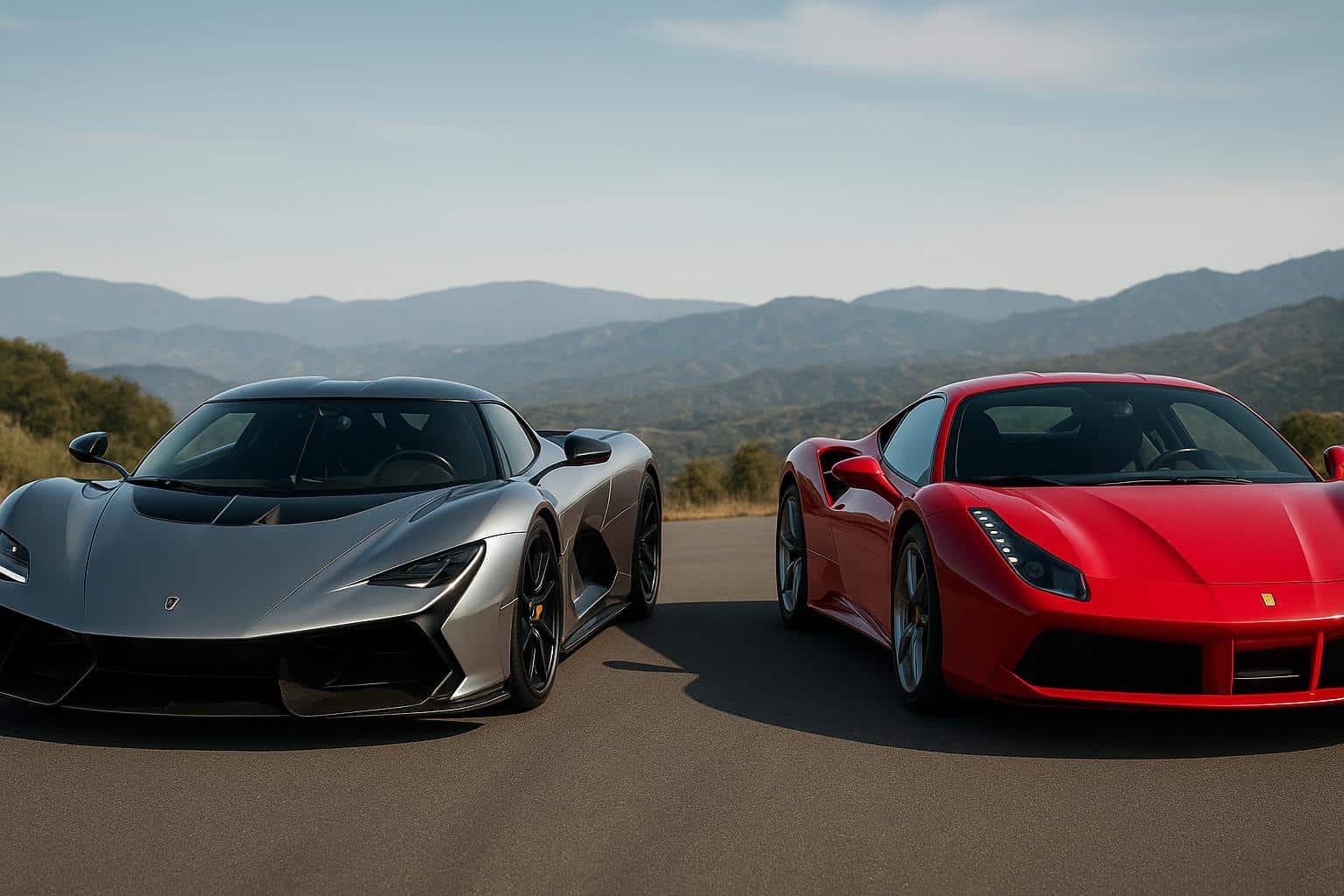
The clearest comparison starts with purpose, production count, engineering depth, and usable performance. In that context, hypercars vs supercars is less about badges than execution. Supercars represent elite road performance from established marques, while hypercars exceed that tier through limited allocation, extreme output, advanced construction, and technology tested at near-race-program standards.
What Is a Supercar?
A supercar is an exotic road car built for sharp response, rapid acceleration, visual impact, and brand prestige. The Ferrari F8 Tributo, McLaren 720S, and Lamborghini Huracan are clear examples. Many supercars remain practical enough for regular drives, scheduled dealer service, and public-road use without the restrictive procedures attached to rarer machines.
What Is a Hypercar?
A hypercar usually marks the peak of a manufacturer’s technical capability. It may combine a carbon structure, hybrid assistance, active aerodynamics, or output near 1,000 horsepower. The Bugatti Chiron, Ferrari LaFerrari, Porsche 918 Spyder, and McLaren P1 fit this group. Production is tighter, access is harder, and pricing often exceeds normal supercar levels.
Performance Gap
Raw pace separates the categories, but the difference is broader than numbers. A modern supercar may reach 60 miles per hour in roughly three seconds and pass 200 miles per hour. A hypercar often adds stronger launch control, higher speed potential, and greater thermal capacity. On a circuit or runway, that extra margin becomes easier to feel.
Technology Level
Supercars use serious engineering, yet hypercars often introduce systems that later reach other models. Hybrid torque delivery, active ride control, complex cooling paths, and adjustable aero surfaces appear often in hypercar projects. Such hardware can sharpen performance, but it also raises diagnostic demands. Buyers should weigh actual driving benefit against service cost and downtime.
Materials and Design
Supercars often use aluminum structures, carbon panels, ceramic brakes, and cabins influenced by motorsport. Hypercars push further with carbon tubs, magnesium components, titanium fasteners, and carefully managed airflow. Their shapes are rarely cosmetic. Openings, ducts, splitters, and surfaces support cooling, drag reduction, downforce, or mass control at very high speeds.
Production and Rarity
Rarity strongly affects identity, access, and price behavior. Supercars may be uncommon, though many still reach meaningful global production. Hypercars are usually capped at a few hundred units, sometimes fewer. Allocation can matter as much as money. Some manufacturers prioritize buyers with prior ownership, careful collection habits, and long-standing relationships.
Price and Ownership
Purchase price is only the first figure. Supercars commonly cost hundreds of thousands of dollars, while hypercars can reach several million before options or taxes. Insurance, tires, enclosed transport, storage, and scheduled service add quickly. A hypercar may require factory involvement, approved technicians, proper battery care, and disciplined mileage planning to protect its value.
Driving Experience
Supercars often give a better blend of drama and usability. Many offer front-axle lift systems, manageable street tires, useful cabin space, and drive modes suited to traffic. Hypercars can feel wider, lower, louder, and less forgiving. That intensity is part of the appeal, but visibility, ingress, ride quality, and heat management deserve close review.
Investment Factors
Future value rarely depends on horsepower alone. Mileage, specification, paint, maintenance records, ownership history, and production size all influence demand. Hypercars attract strong collector interest because supply is limited and their public profile is high. Some supercars also age well, especially manual variants, final naturally aspirated models, and historically important designs from respected makers.
Buyer Checklist
A serious buyer should define use before comparing lap times. Track days, private collection display, weekend driving, and long-term storage each point to different choices. Local roads, climate, service access, and insurance terms also matter. The best purchase fits the budget, skill, maintenance tolerance, and collection goals, rather than chasing the highest speed figure.
Conclusion
Hypercars and supercars share exotic status, but the realities of ownership separate them. Supercars usually offer extreme performance, broader service access, greater road comfort, and more frequent driving opportunities. Hypercars offer rarer engineering, higher costs, and stronger collector gravity. The right decision depends on purpose, budget, allocation access, and maintenance appetite. Buyers who carefully assess those factors can secure a special car without incurring avoidable strain.