


Picture this: it’s 8:00 AM, and you’ve just finished a heavy set of deadlifts. By 9:30 AM, you are sitting in a sleek office chair, sipping coffee and navigating a high-stakes board meeting. At 6:00 PM, you’re hitting the pavement for a six-mile tempo run. This is the life of the hybrid athlete—a growing subculture of people who refuse to choose between being a “meathead” or a “cardio bunny.” For the modern professional, this lifestyle is the ultimate challenge in physical and mental management. It requires more than just sweat; it requires a sophisticated understanding of how to balance high-intensity output with the sedentary reality of a desk job.
The Conflict of the Modern Centaur
The biggest obstacle for a hybrid athlete isn’t the training itself; it’s the transition. Most of us spend eight to ten hours a day in “desk-lock,” where our hip flexors tighten and our glutes go to sleep. Going from a static, seated position to a heavy squat rack or a high-impact run is a recipe for injury if not managed correctly. We are essentially asking our bodies to be two different things at once: a powerful machine in the gym and a focused, still thinker in the office.
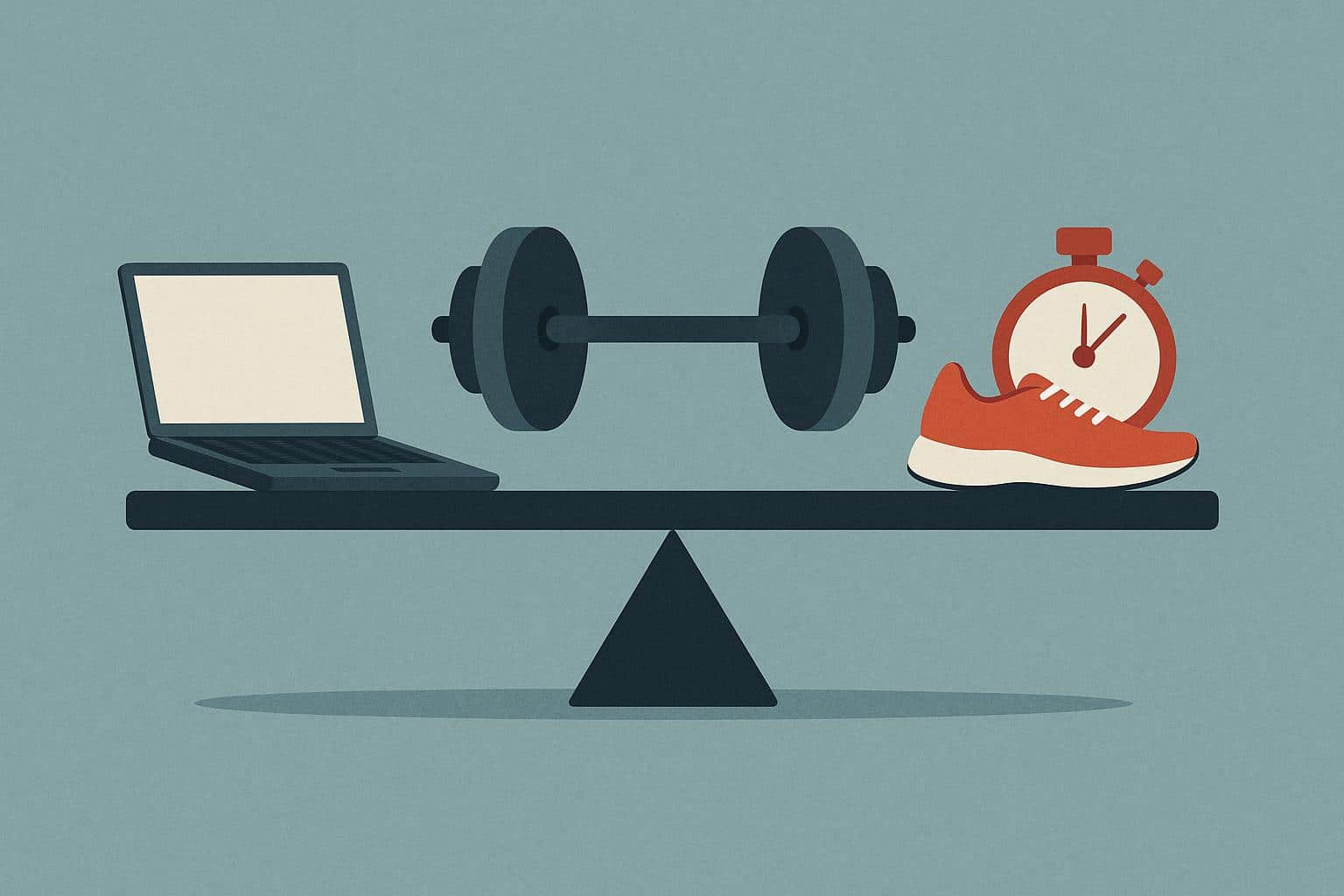
To navigate this, you have to treat your desk time as a “movement snack” opportunity. If you stay static for too long, your nervous system dampens your explosive power. Successful hybrid athletes often use the following strategies to keep their engines idling:
- Standing desks and mobility pods: Alternating between sitting and standing every 45 minutes to keep the lower body engaged.
- The “micro-stretch”: Spending two minutes every hour stretching the psoas and chest to counter the “office slouch.”
- Hydration as a Ttrigger: Using the need for more water as a natural prompt to walk across the office or house, keeping blood flow active.
Recharging the Strategic Mind
One of the most overlooked aspects of the hybrid lifestyle is mental recovery. When you are pushing your body to the limit through both strength and endurance training, your central nervous system (CNS) takes a massive hit. You cannot simply “turn off” your brain after work and expect it to be ready for an evening run. You need high-quality downtime that engages the mind without taxing the muscles.
In the life of a hybrid athlete, recovery days are not just about physical rest; they are about intentional mental engagement. When your body is repairing itself after a grueling session, your brain still craves a sense of challenge and progression. Engaging with a gaming platform like NV Casino offers a perfect way to satisfy that urge for excitement and calculated risk without adding physical load to your joints. This type of digital entertainment allows you to exercise your strategic thinking and decision-making skills in a low-impact environment. By giving yourself permission to enjoy high-stakes fun during your downtime, you ensure that you don’t burn out mentally, keeping your competitive spirit sharp for both the boardroom and the race track.
The Three Pillars of Hybrid Integration
To truly excel, you cannot simply add a running program on top of a bodybuilding split. You must integrate them into a singular, cohesive architecture. This requires a focus on three specific pillars:
- Concurrent periodization: This means you don’t have “bulking” or “cutting” seasons. Instead, you manage your volume so that your heavy lifting days don’t interfere with your high-intensity interval training (HIIT). You might lift heavy on Monday and Wednesday, while keeping your long-distance runs for the weekend.
- Nutrient timing for dual outputs: Your body needs different fuel for a 500-pound pull than it does for a half-marathon. Hybrid athletes often use “targeted carb loading,” eating high-energy fuels before endurance sessions while maintaining high protein intake throughout the work day to support muscle repair while sitting.
- The “minimum effective dose” philosophy: You cannot be a world-class powerlifter and a world-class marathoner at the same time. The hybrid athlete seeks the “sweet spot” where they are in the top 5% of both categories. This means knowing when to stop a gym session to save energy for tomorrow’s trail run.
Myth-Busting: The Interference Effect
For years, old-school coaches told us that “cardio kills gains.” We now know that the “interference effect” is largely a myth for most people. In fact, improved cardiovascular health can actually help you recover faster between sets of heavy lifting by improving blood flow and oxygen delivery to your muscles.
Common hybrid pitfalls to avoid:
- The “everything all at once” trap: Trying to hit a personal record in every lift and every running distance in the same week.
- Neglecting sleep: You can’t out-train or out-eat a lack of sleep. Hybrid athletes need 7–9 hours of quality rest to manage the double-load of training.
- Ignoring central nervous system fatigue: If your grip strength is weak or you’re unusually irritable at work, your CNS is fried. It’s time to take a “deload” week.
Versatility as the New Currency
Ultimately, being a hybrid athlete is about more than just looking good or being fast. it’s about becoming a “generalist” in an age of over-specialization. The ability to sit at a desk and solve complex problems, then go out and lift twice your body weight, and finally run a sub-25-minute 5K, makes you a more resilient human being.
This lifestyle teaches you that discipline is not a rigid cage, but a flexible tool. It shows you how to manage your energy, not just your time. When you stop seeing your desk job, your lifting, and your running as competing interests and start seeing them as a singular ecosystem, you unlock a level of performance that most people never realize is possible. You aren’t just a worker or an athlete; you are a high-performance system designed for the modern world.