


HP has just one-upped battery life at CES, promising 45 hours of battery life on its latest-rated OmniBook configuration. In a show dominated by sexy AI demos and incremental refreshes, that’s the announcement everyone will be discussing: an honest-to-god promise of almost two full days of runtime on a mainstream Windows laptop.
Why a 45-hour laptop battery claim actually matters
While there’s no denying this, battery anxiety is the No. 1 complaint in mobile computing. In the independent testing performed by outlets like PCMag and Notebookcheck, most ultraportables fall in the 10- to 15-hour range under mixed use, while Apple’s MacBook Air is typically rated in the high teens for video playback. If HP’s 45-hour number holds, even as a real-world fraction of it, that would still be close to revolutionary — meaning I could do two red-eye flights across the country and conduct meetings all day without seeing a charger.
- Why a 45-hour laptop battery claim actually matters
- How HP says it achieves that ambitious battery figure
- A standout OmniBook Ultra 14 joins the CES showcase
- Performance promises meet reality in independent tests
- Pricing and rollout details for the refreshed OmniBooks
- Bottom line on HP’s 45-hour claim and what comes next
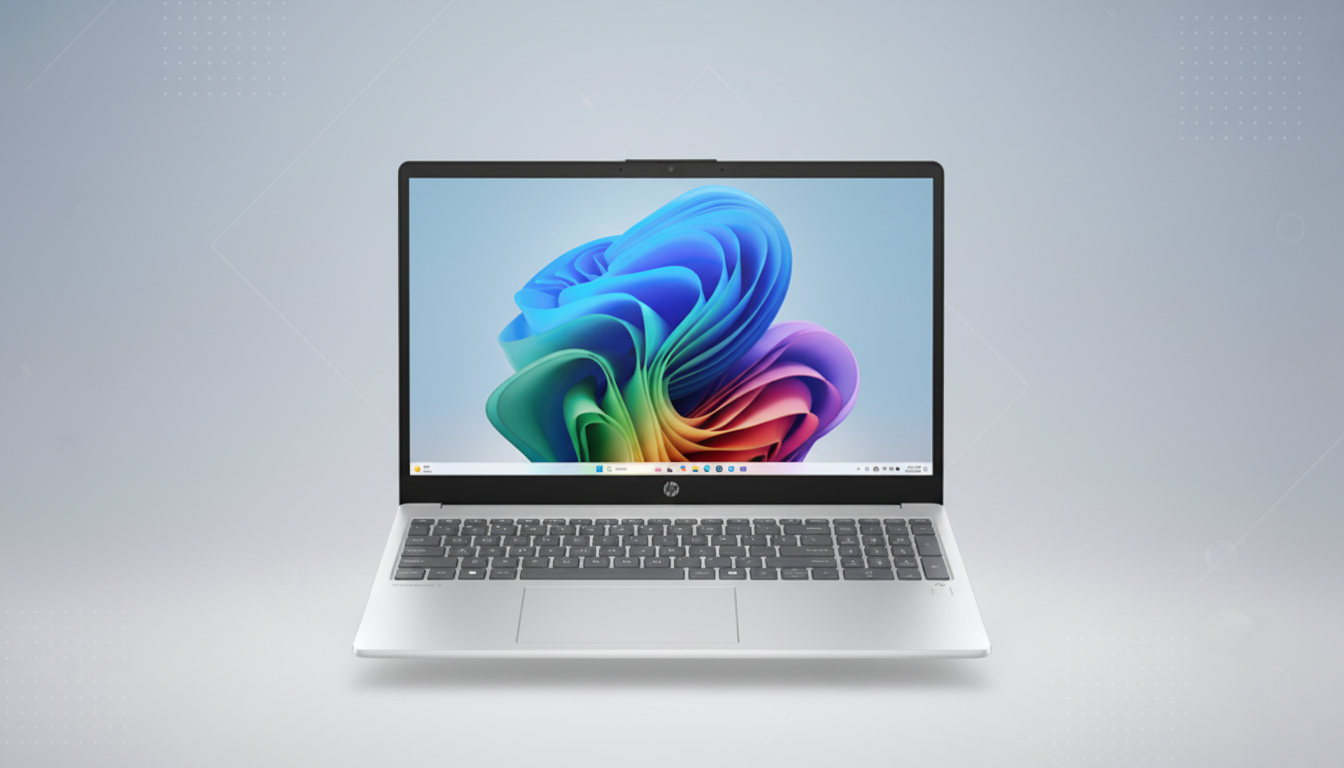
The title for endurance champ goes to the 16-inch OmniBook 3, which, in general, has more room for a bigger battery pack, says HP. That’s important because super-long runtime is usually something relegated to low-power niche systems; here, HP is touting mainstream dimensions and an OLED screen, not a compromised netbook throwback.
How HP says it achieves that ambitious battery figure
The company is also standardizing on OLED panels for its refreshed OmniBook family and making a broad move to Qualcomm’s Snapdragon X2 platform, with an Intel Panther Lake option on select models. The move to ARM-based Snapdragon is significant: the first wave of Windows-on-ARM laptops were efficient at idle, but faltered in performance and not all work well with apps. Qualcomm’s X-series push is an attempt to maintain the energy gains while closing the performance gap.
That’s the estimate according to HP, which attributes it to a mix of silicon efficiency, an aggressive power-management stack, and panel tuning. OEM battery numbers usually come from video playback or productivity loops at some controlled brightness (which is always 150 nits; radios and background tasks effectively off). Reviewers typically get about 60%–70% of vendor numbers during mixed-use testing, but even at a discount, 45 hours would still place the X2 in a class-leading position.
There’s a larger implication, too: if the Snapdragon X2 can maintain high performance per watt, it would make an even better case for always-on, on-device AI that doesn’t drain your battery. Microsoft’s Copilot+ drive makes that a strategic imperative, and Qualcomm has been fluffing up beefier NPUs to keep pace.
A standout OmniBook Ultra 14 joins the CES showcase
While it claims a spot in the limelight for its endurance feature on the 16-inch model, the OmniBook Ultra 14 is the poster child. It’s a 3K OLED ultraportable that HP says is just over 5% thinner than Apple’s current 13-inch MacBook Air and similarly travel-friendly. It weighs around 2.81 pounds (1,276 grams). That’s what keeps it in the sweet spot for a daily haul and still doesn’t cut out screen quality.
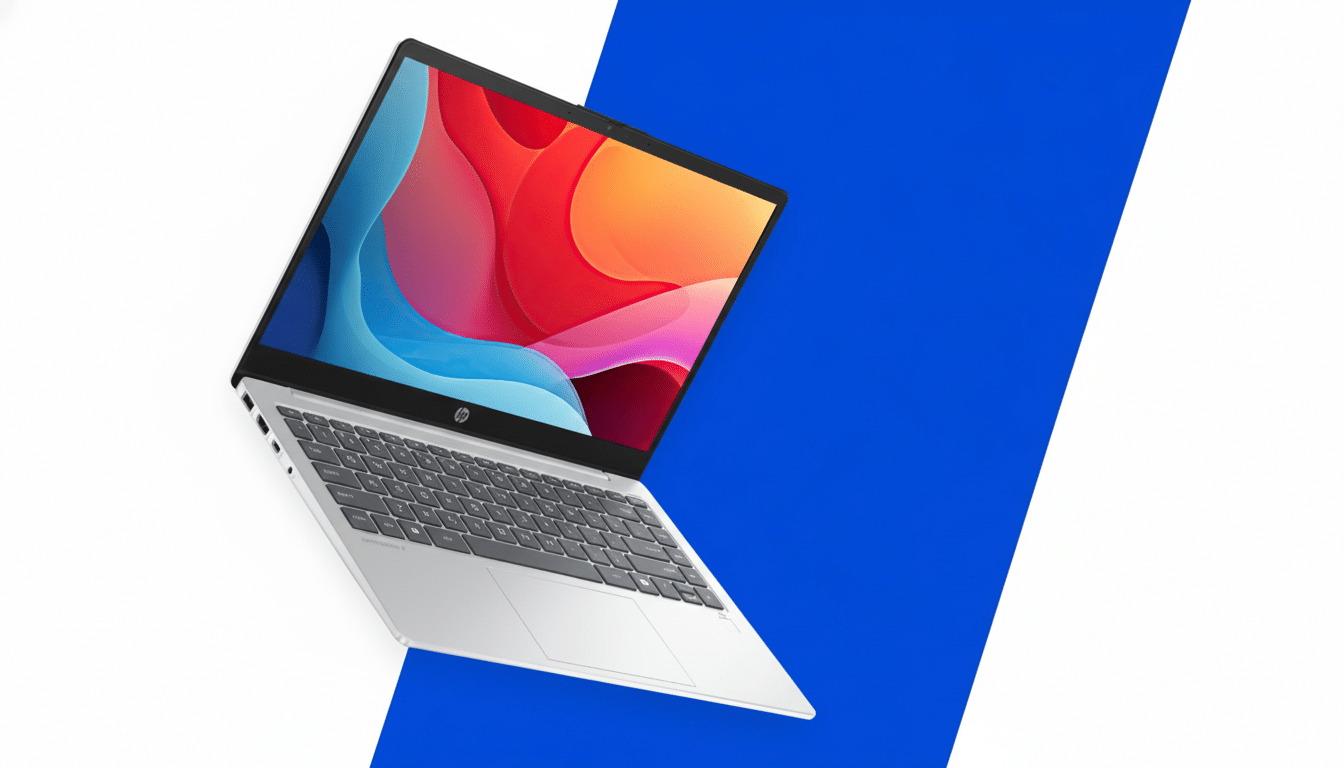
Pro-grade connectivity is what HP advertises with it, including three Thunderbolt 4 ports and support for driving an 8K external monitor, plus up to 64GB of RAM. Customers can select the Snapdragon X2 Elite or Intel Panther Lake, so HP is chasing after both ARM-curious early adopters and those who don’t want to alienate themselves from x86. It’s clear that the company is hoping this machine will be the “no-compromise” device to win over skeptics.
Performance promises meet reality in independent tests
Qualcomm has previewed results showing the Snapdragon X2 is faster than Apple’s M4 in some workloads, although these early numbers are vendor-guided. It’ll take independent runs through common suites of benchmarks, such as UL Procyon and Cinebench, as well as our battery benchmarks under our everyday workflows (multiple browser profiles, conferences, Slack) and local AI tasks. If HP’s systems can maintain such snappy performance at a sip of power and keep x86 app translation as seamless, then the Windows laptop landscape changes quickly.
Context helps here: a line of previous OmniBooks had already trended strong on longevity, with reviewer-tested models pushing into the 17-hour range. Getting anywhere near 45 hours would be more like an inflection point than a marginal improvement.
Pricing and rollout details for the refreshed OmniBooks
HP has the OmniBook Ultra 14 positioned as the high-end consumer entry, with prices beginning around $1,550.
The mainstream tiers are represented by the OmniBook 3 and OmniBook 5 series, which start around $500 and $850, respectively. More high-end OmniBook 7 and OmniBook X models are promised after the first launches, with pricing to be announced nearer to availability.
Bottom line on HP’s 45-hour claim and what comes next
Among the dozens of laptop unveilings during CES, HP’s 45-hour OmniBook claim is one that could set a new bar. If the company can back it up with real-world testing — and deliver on the OLED visuals, modern Wi-Fi, and advanced performance boosts that Snapdragon X2 enables, paired with Intel’s latest silicon — this will be remembered as the show where battery life ceased to be a compromise.