


Stormwater management plays a critical role in protecting properties, roads, and public infrastructure, especially in Australia, where intense rainfall events and flash flooding are increasingly common. One of the simplest yet most influential components of an effective drainage system is the stormwater grate. Choosing the right size and style of grate ensures your drains perform efficiently, safely, and in compliance with local standards.
This guide explains how to size and select stormwater drainage grates for maximum flow efficiency, covering hydraulic performance, safety considerations, material choice, and Australian regulatory requirements.
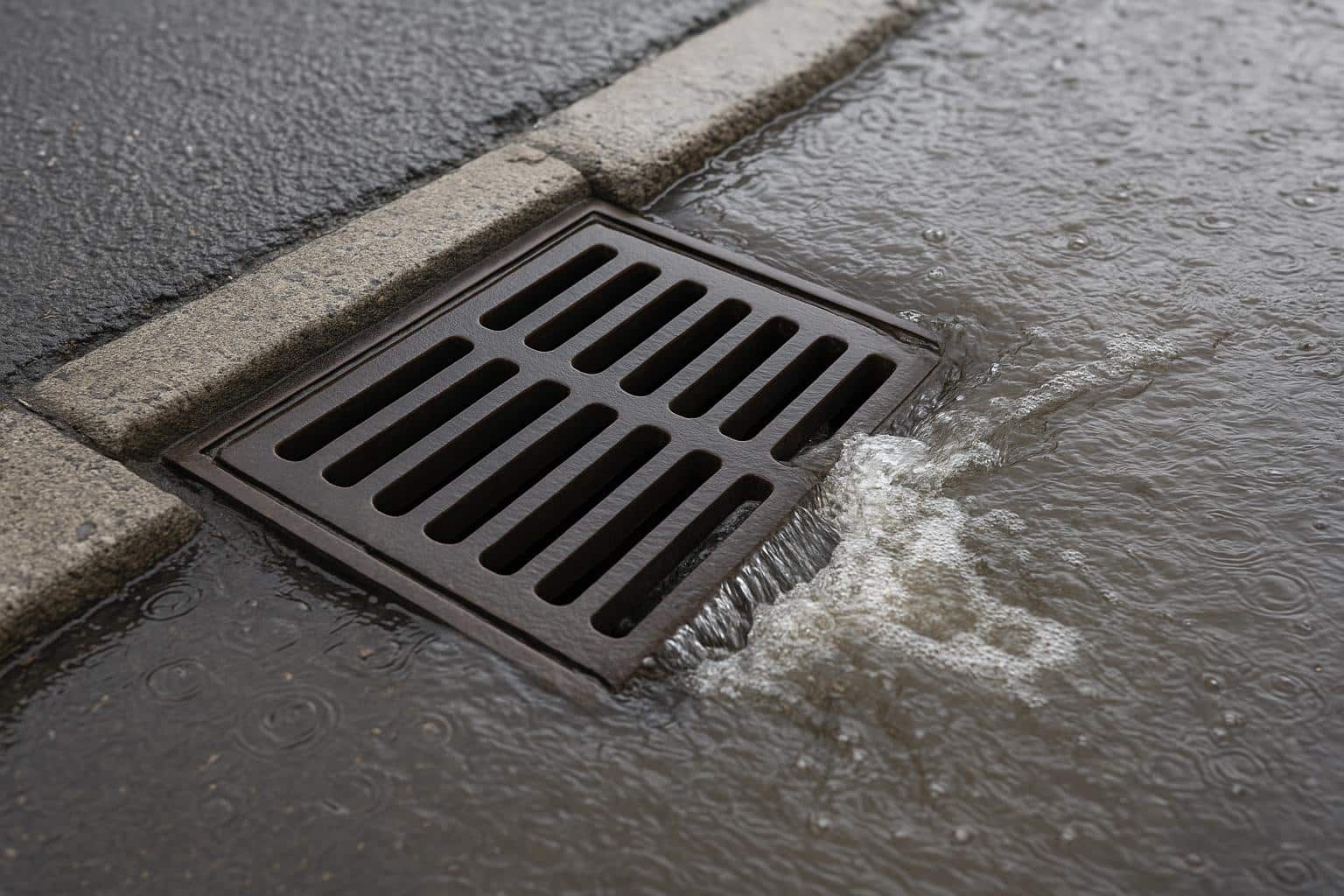
Why Correct Grate Sizing Matters
Proper grate sizing directly affects how much water can enter a drainage system during a storm. If a grate is too small or incorrectly designed, water can bypass the drain entirely, leading to pooling, erosion, or dangerous runoff onto roads and pedestrian areas.
Key outcomes of correct grate sizing include:
- Maximum water intake and reduced blockage risk
- Safer pedestrian and vehicle conditions
- Improved long-term drainage performance
- Compliance with Australian Standards and council requirements
Understanding Flow Requirements
Before selecting a grate, it’s essential to understand the expected water flow rate for the installation site. Factors affecting this include:
Rainfall Intensity
Australia experiences highly variable rainfall patterns. Coastal Queensland, for example, sees significantly heavier downpours compared to parts of South Australia. Use local Intensity–Frequency–Duration (IFD) rainfall data to determine peak stormwater flow.
Surface Type
Different surfaces channel water differently:
- Concrete and asphalt shed water rapidly
- Grassed or landscaped areas absorb some moisture
- Sloped surfaces accelerate runoff
Understanding the catchment surface helps in sizing the grate to match peak inflow demand.
Drain Capacity
There’s no point in installing a large grate if the pipe below cannot carry equivalent flow. Grate inflow capacity should complement the underground drainage infrastructure.
How to Choose the Right Grate Size
Match Grate Opening Area to Flow Rate
A grate’s net open area determines how much water can enter. As a general rule:
- Higher rainfall zones and large catchment areas require larger or multiple grates.
- Areas prone to debris, leaves, or sediment may benefit from smaller openings but greater total open area.
Consider Hydraulic Efficiency
Some grate patterns allow water to enter more efficiently than others. For example:
- Longitudinal bar grates work well where water flows rapidly in one direction.
- Square or slotted patterns are suited for low-slope areas requiring even water intake from multiple angles.
Hydraulic testing data from manufacturers can help you compare performance from one grate to another.
Types of Stormwater Grates and Their Uses
Different applications require different grate designs. Common Australian options include:
Heel-proof Grates
Designed with narrow openings (typically <10 mm) to prevent heels from getting caught. Ideal for footpaths and public areas.
Bicycle-safe Grates
Feature designs that prevent bike tyres from slipping between bars. Commonly required near shared paths and cycleways.
Trench Grates
Used for long, linear drainage channels where large surface areas need fast water removal—common in car parks, driveways, and industrial sites.
Heavy-duty Grates
Rated for trafficable areas, including car parks, delivery zones, and roadways. Often made of ductile iron or heavy-gauge steel.
Material Selection for Performance and Longevity
Choosing the right material helps ensure durability, especially in Australia’s harsh climate.
- Ductile Iron: Extremely strong and ideal for roads and heavy-traffic areas.
- Stainless Steel: Corrosion-resistant, attractive, and suitable for coastal regions.
- Galvanised Steel: Cost-effective and durable for general commercial or residential use.
- Polymer Composite: Lightweight and corrosion-proof, increasingly popular for landscaped and non-trafficable applications.
Australian Standards to Consider
Stormwater grates installed in Australia must comply with relevant standards, including:
- AS 3996 – Access Covers and Grates (load classification, materials, safety features)
- Local council guidelines for pedestrian and bike safety
- State water authority requirements for grate performance and placement
Selecting compliant products ensures safety and allows projects to pass inspection without delays.
Installation Considerations for Maximum Efficiency
Even the best grate will underperform if installed poorly. For optimum flow:
- Ensure the grate sits flush with surrounding surfaces.
- Avoid positioning grates in low spots where debris naturally collects.
- Add leaf guards or sediment baskets where appropriate.
- Regularly inspect and clean grates, particularly during storm seasons.
Proper installation supports long-term hydraulic efficiency and reduces maintenance needs.
Final Thoughts
Selecting the correct stormwater grate is essential for ensuring safe, reliable, and efficient drainage, whether you’re designing an urban streetscape, managing an industrial site, or upgrading residential stormwater systems. By understanding your site’s flow requirements, choosing the right grate size and material, and complying with Australian standards, you can significantly improve stormwater performance while reducing maintenance and flood risk.