


Sharp hedge trimmer blades make trimming cleaner, faster, and safer. When the blades become dull, they tear branches instead of cutting them. The good news is that you can sharpen cordless hedge trimmer blades at home with a few basic tools and careful steps.
Why Do Hedge Trimmer Blades Get Dull?
Cordless hedge trimmer blades become dull through normal use. Every time the blades cut through twigs, shrubs, and small branches, the cutting edges lose a little sharpness. Dirt, sap, moisture, and small stones can also wear down the metal faster.
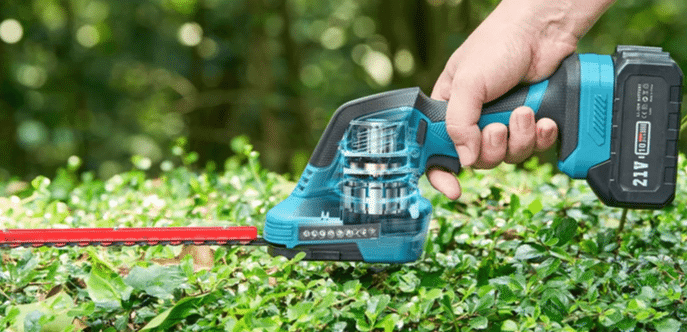
You may notice dull blades when the trimmer starts pulling branches instead of slicing through them. The hedge may look rough after trimming, with torn tips and uneven edges. The tool may also feel slower, louder, or harder to control. If you see these signs, it is time to clean and sharpen the blades.
What Tools Do You Need?
You do not need a full workshop to sharpen hedge trimmer blades. A flat metal file is the most common tool for this job. It gives you control and helps you follow the original blade angle.
You may also need safety gloves, eye protection, a cleaning brush, a soft cloth, blade oil, and a small screwdriver or wrench if your model requires blade adjustment. Some people use a rotary tool, but a file is safer for beginners because it removes less metal and lowers the risk of damaging the blade.
Before you begin, read your user manual. Different models may have slightly different blade shapes or safety instructions. This is especially important if your Cordless Hedge Trimmer has removable blades or a special blade coating.
How to Sharpen the Blades Step by Step
Start by removing the battery. This is the most important safety step. Never clean or sharpen a cordless hedge trimmer while the battery is attached, even if the switch is off.
Next, clean the blades. Use a brush to remove leaves, dust, and dried debris. If there is sticky sap, wipe the blades with a cloth and a small amount of cleaner or rubbing alcohol. Clean blades are easier to inspect and sharpen.
Place the trimmer on a stable surface. Make sure the blades are not moving and the tool cannot slide. Put on gloves and eye protection before handling the metal edges.
Look closely at the blade teeth. Each cutting tooth usually has a beveled edge. This is the angled surface you need to sharpen. Hold the file at the same angle as the original bevel. Push the file away from your body in smooth strokes. Do not saw back and forth. A few steady passes on each tooth are usually enough.
Work on one tooth at a time. Try to use the same number of strokes on each blade tooth so the cutting edges remain even. Do not remove too much metal. The goal is to restore the edge, not reshape the blade.
After sharpening one side, move the blades so you can reach the remaining teeth. Some teeth may be partly hidden behind the opposite blade. You can carefully shift the blade position by following the instructions in your manual.
Once all visible cutting edges are sharpened, wipe away metal filings with a clean cloth. Then apply blade oil along the teeth. Oil helps reduce friction, prevents rust, and keeps the blades moving smoothly.
How Often Should You Sharpen Them?
For light home use, sharpening once or twice per season is usually enough. If you trim thick hedges often, you may need to sharpen the blades more frequently. A good rule is to check the blades after every few uses.
Cleaning and oiling should happen more often than sharpening. After each trimming session, remove leaves and sap, then apply a light layer of oil. This simple habit can keep the blades sharper for longer.
When Should You Replace the Blades Instead?
Sharpening is helpful when the blades are dull but still in good condition. However, replacement may be better if the blades are bent, cracked, heavily rusted, or missing large pieces from the teeth.
If the trimmer still cuts poorly after sharpening and cleaning, the blade gap may be wrong or the motor may be struggling. In that case, check the manual or contact the manufacturer before using the tool again.
Final Thoughts
Sharpening cordless hedge trimmer blades is a simple maintenance task that can improve cutting performance and extend the life of your tool. Always remove the battery first, clean the blades, follow the original cutting angle, and finish with blade oil. With regular care, your hedge trimmer will cut cleaner, run smoother, and make yard work easier.