


Moving sounds simple until you’re knee-deep in half-packed drawers, mystery cords, and a coffee maker you swear was just there. If you’re planning a local or long-distance move, a smart system saves time, money, and your sanity. The process gets easier when you know what to do first, what to ignore, and where professional help actually makes a difference.
Start earlier than feels necessary
Most moving problems begin with one classic mistake: you think you have more time than you do. Six to eight weeks before moving day is a solid starting point for most households. That gives you room to sort your stuff, collect quotes, and handle the admin work nobody enjoys.
- Start earlier than feels necessary
- Declutter before a single box gets taped
- Choose the right moving help for your situation
- Pack like you plan to find things again
- Handle the boring logistics before they become urgent
- Protect valuables, paperwork, and fragile items strategically
- Make moving day run on a schedule, not vibes
- Settle in without trying to finish everything at once
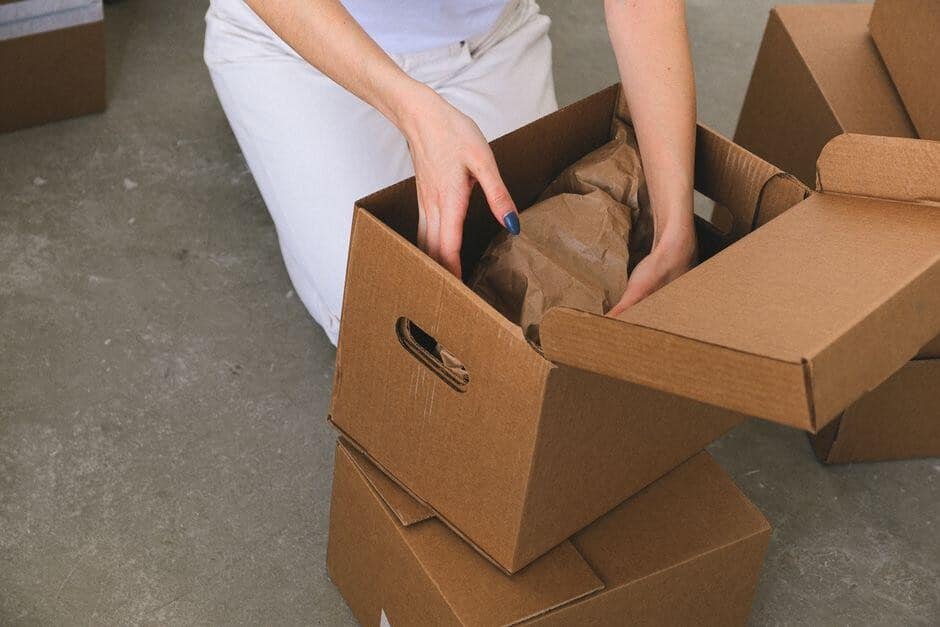
Begin with a simple checklist by focusing on:
- booking movers or a truck
- scheduling utility shutoff and setup
- sorting items to keep, donate, sell, or toss
Declutter before a single box gets taped
Packing things you don’t even want is like paying to drag old decisions into a new house. Before you pack, go room by room and make fast choices. If you haven’t used something in a year, there’s a decent chance it doesn’t deserve premium box space.
Be practical. Old chargers with no known device match, duplicate kitchen tools, and clothes that still have tags from three years ago are not emotional heirlooms. They’re clutter.
Choose the right moving help for your situation
Not every move needs the same level of support. A studio apartment across town is different from relocating a four-bedroom house with antique furniture and a garage full of tools. Start by figuring out what kind of help you actually need.
You might need:
- full-service packing
- loading and unloading only
- specialty handling for fragile or oversized items
- local or interstate transport
If you’re comparing companies, look at licensing, insurance, reviews, and service details. A professional company like Blackhawk Moving & Storage can help when you need more than just a truck and two exhausted friends. That’s especially useful for larger moves, storage coordination, or valuable items that shouldn’t be treated like gym bags in a trunk.
Pack like you plan to find things again
Packing is not just putting objects into boxes until your apartment echoes. The goal is to protect your belongings and make unpacking less chaotic. Label every box with the room, a few key contents, and whether it’s fragile. A box marked “miscellaneous” is basically future-you’s problem.
Keep similar items together and avoid overstuffing large boxes. Books, for example, belong in small boxes unless you enjoy accidental strength training. Use towels, blankets, and clothing as padding when it makes sense, but don’t rely on a winter hoodie to fully protect your glassware.
Pack an essentials bag or box for the first 24 hours. Include:
- phone charger
- medications
- toiletries
- clean clothes
- important documents
- snacks and water
- basic tools
- toilet paper
You’ll thank yourself when the box with the coffee filters goes missing.
Handle the boring logistics before they become urgent
A smooth move depends on details that are easy to overlook until they create very annoying problems. Utility transfers, address changes, parking permits, and building access rules can derail your day faster than a missing tape gun.
Call utility providers at least two weeks in advance. Set shutoff dates for your old place and activation dates for the new one. Update your address with banks, subscriptions, your employer, insurance providers, and any service that still sends mail.
If you live in an apartment or condo, ask management about:
- elevator reservations
- loading dock access
- move-in time windows
- certificate of insurance requirements
- parking restrictions for moving trucks
These details matter. Some buildings are surprisingly strict, and nothing says “great start” like discovering the truck can’t park within 300 feet of your entrance.
Protect valuables, paperwork, and fragile items strategically
Certain items should never disappear into the general moving stream. Keep passports, IDs, leases, financial records, jewelry, laptops, and sentimental items with you. Don’t pack them onto a truck and hope for the best.
For fragile belongings, use the right materials and a little common sense. Dish packs, bubble wrap, packing paper, and sturdy boxes are worth it for breakables. Label those boxes clearly, but also pack them tightly enough that items won’t shift around in transit.
Take photos of electronics before unplugging cables. That tiny step can save you from staring at wires later like you’re defusing a low-budget bomb. For furniture, bag screws and hardware separately, then tape the bag to the item or keep all hardware in one labeled container.
If something is expensive, irreplaceable, or deeply important, treat it accordingly. Moving day is not the time for optimism-based protection.
Make moving day run on a schedule, not vibes
On the actual day, momentum matters. Wake up early, eat something decent, and keep your phone charged. If you hired movers, be available to answer questions and direct traffic, but avoid micromanaging every box. Good crews move faster when they have clear instructions and room to work.
Do a final walkthrough before anything leaves. Check:
- closets
- cabinets
- attic or basement areas
- behind doors
- inside appliances
- outdoor storage spaces
Keep cash or tip options ready if you plan to tip movers. Also have water available, especially during warm-weather moves. Small things help keep the day smoother.
Once you arrive at the new place, start with beds, bathroom basics, and the kitchen essentials. You do not need to unpack every decorative basket on day one. Focus on function first. Comfort beats perfection when you’ve spent eight hours moving your life from one address to another.
Settle in without trying to finish everything at once
The move isn’t over when the truck leaves. Unpacking takes time, and the fastest way to burn out is trying to make the new place look finished immediately. Start with the rooms you use most, then work outward.
A smart unpacking order looks like this:
- bedroom
- bathroom
- kitchen
- daily clothing
- workspace or school setup
- storage and decor
Break boxes down as you go so they don’t start breeding in the hallway. Test major appliances, check for damage, and confirm utilities are working properly. If anything was lost or broken during the move, document it quickly and contact the moving company right away.
Give yourself a few days to adjust. Every home has a settling-in period, and every move includes a few odd moments. You’ll eventually find the scissors, the missing pillowcase, and that one pan that somehow traveled in the bathroom box. That part is almost tradition.