


Key Takeaways
- Understanding the foreclosure process empowers you to make informed decisions.
- Rebuilding your credit is crucial for future financial opportunities.
- Exploring alternative housing options provides stability during recovery.
- Seeking professional guidance can streamline your path to financial recovery.
Table of Contents
- Understanding the Foreclosure Process
- Assessing Your Financial Situation
- Rebuilding Your Credit Score
- Exploring Housing Options
- Creating a Budget and Saving Plan
- Seeking Professional Guidance
- Planning for Future Homeownership
- Staying Informed and Vigilant
- Conclusion
Foreclosure is a major life event that can leave individuals and families feeling uncertain about what comes next. Although the experience is stressful and can affect your financial future, you have options and resources to move forward. Understanding what to do after foreclosure is the key to regaining your confidence, rebuilding your credit, and preparing for future homeownership. For those who need to act quickly, learning how to sell house in foreclosure can be an effective way to minimize losses and start anew.
The period following a foreclosure can be emotionally difficult, but it does not signal the end of your financial journey. Many individuals successfully rebuild their lives by taking practical steps, making informed decisions, and seeking support. Understanding these steps can help rebuild credit, secure new housing, and avoid common pitfalls. Proactive planning, budgeting, saving, and seeking professional assistance can help prevent further financial issues.
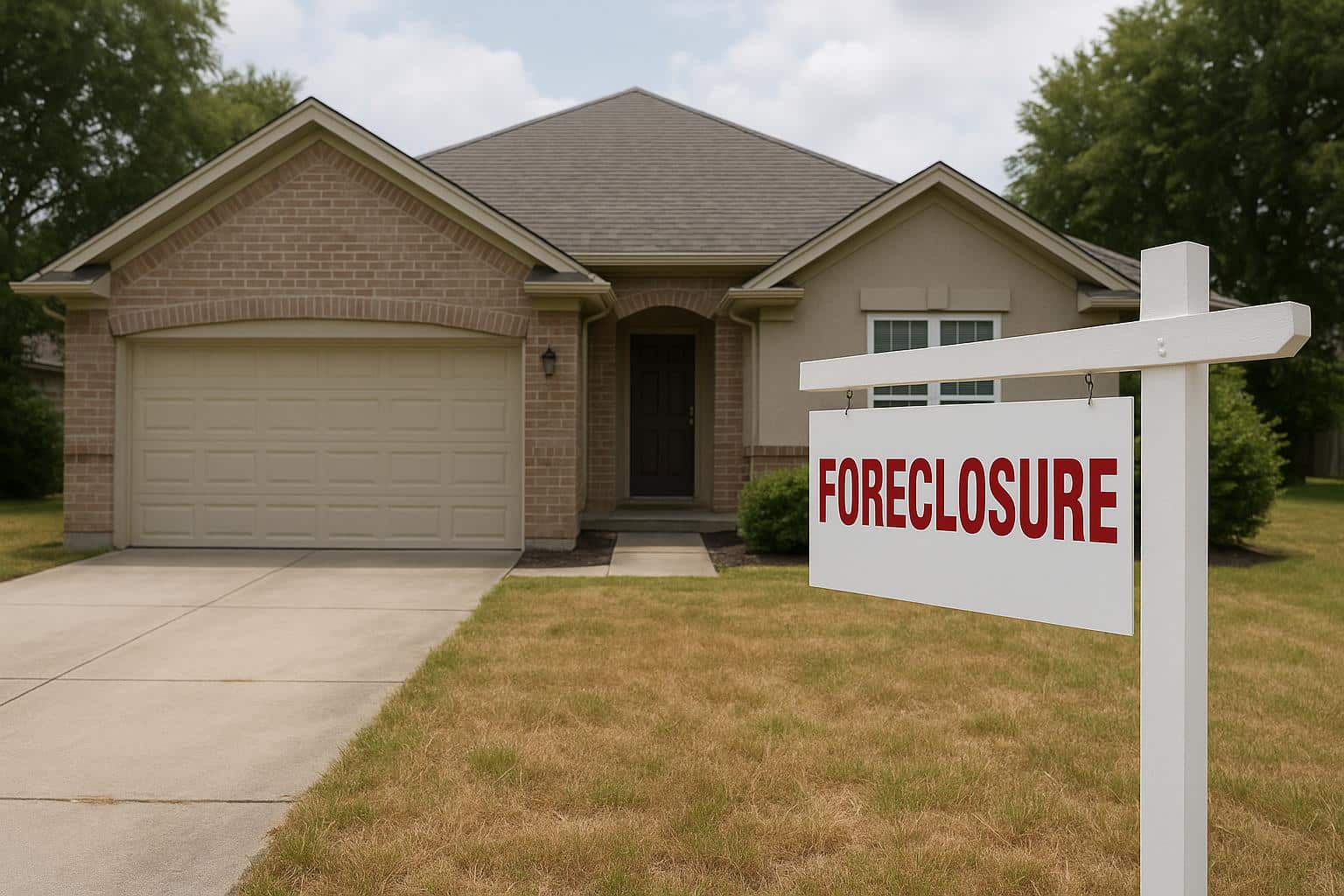
This guide reviews critical topics, including the foreclosure process, assessing your finances, boosting your credit score, and developing long-term plans for renewed homeownership.
Understanding the Foreclosure Process
The foreclosure process can vary by state, but it generally begins with missed mortgage payments and a notice of default. From there, the lender may schedule a sale of the property to recover the outstanding loan. Knowing exactly how the process works can help you understand your rights and responsibilities, as well as the timeline you have for making critical decisions, such as seeking alternatives or working with your lender.
Assessing Your Financial Situation
Post-foreclosure, it is important to conduct a candid assessment of your financial position. List all current sources of income and track every recurring expense you have. If you have other debts outside your mortgage, such as credit cards, medical bills, or student loans, list their balances and prioritize payments by interest rate and urgency. This clear picture of your finances serves as the basis for your recovery plan and sets the stage for future decision-making.
Rebuilding Your Credit Score
Foreclosure will significantly impact your credit score, but you can recover. Start by ensuring all current bills are paid on time, as payment history is a major factor in credit scoring. Minimize new debts, reduce your outstanding balances, and check your credit report regularly. Dispute any errors that appear; accurate data is essential for rebuilding your credit.
Exploring Housing Options
Finding stable housing is the next essential step. Renting can give you valuable time to save and repair your credit without the commitment of homeownership. If you hope to own property again soon, consider a rent-to-own agreement, which allows you to rent a home with the option to purchase later. Alternatively, shared housing with friends or family can help cut costs while you stabilize your finances. Weigh the benefits and downsides of each situation and prioritize long-term financial health as you make your choice.
Creating a Budget and Saving Plan
Regaining financial stability requires careful budgeting and saving. Use digital budgeting tools or mobile apps to track your spending and ensure you are living within your means. Eliminate non-essential expenses to maximize savings opportunities. Set a realistic savings goal, ideally an emergency fund that covers at least three months' living expenses. Sticking to this approach will help you prepare for unexpected costs and lay the groundwork for responsible homeownership.
Seeking Professional Guidance
There are experienced professionals willing to help you get back on track. A HUD-approved housing counselor can assist with managing credit repair, establishing a workable budget, or planning your next steps toward homeownership. Financial advisors offer personalized guidance that fits your specific situation, helping you sort through options and choose the best course to regain financial wellness. Knowing when to seek help is an important part of long-term recovery.
Planning for Future Homeownership
Losing your home through foreclosure does not mean you cannot buy another house in the future. Most mortgage loans have a mandatory waiting period after foreclosure, ranging from 2 to 7 years, depending on the program. Use this period to save for a larger down payment, improve your credit score, and deepen your knowledge about the home-buying process. Informed buyers who have taken time to prepare are more likely to secure favorable loan terms and make better long-term decisions next time around.
Staying Informed and Vigilant
Finally, stay informed about reliable financial news and housing market trends to avoid repeating past mistakes. Be wary of scams targeting those who have recently faced foreclosure. Always verify information with reputable sources, and approach offers or solicitations with skepticism if they promise guarantees or seem too good to be true.
Conclusion
Every step you take after foreclosure helps rebuild your stability and confidence. By focusing on the actionable strategies in this guide, seeking support when needed, and planning for the future, you can look forward to a brighter and financially secure tomorrow.