


Liquid Glass design in iOS 26 changes the Home Screen into a layered, translucent canvas. Buttons, widgets and text now sit on a glass-backed metallic that blurs and tints depending on your wallpaper. The result is very modern and spatial — particularly if you place it with purpose. Here’s how to pin down icons, widgets, wallpapers and layout so the Home Screen of your iOS 14 device feels cohesive, legible and undeniably you.
Choose a Wallpaper That Works With Glass
Liquid Glass glows when it has discreet gradients, soft bokeh or light texture in the background. High-contrast photos could also work, though you might want to leave some empty space where the icons pass through. Flat colors and deep patterns minimize visual noise, making the transparent layers seem “like they’re really there,” Ms. McLaren said.
- Choose a Wallpaper That Works With Glass
- Clear, Tinted or Dark Glass Icon Styles Explained
- Match Your iPhone or Case With “Matched Icons”
- Take Advantage of Native Liquid Glass Widgets
- Control Layout: Spacing, Pages and Focus Modes
- Lock Screen Synergy With Liquid Glass Spatial Scenes
- Accessibility, Readability and Battery Best Practices
- The Pros and Real-World Setups for Liquid Glass Design
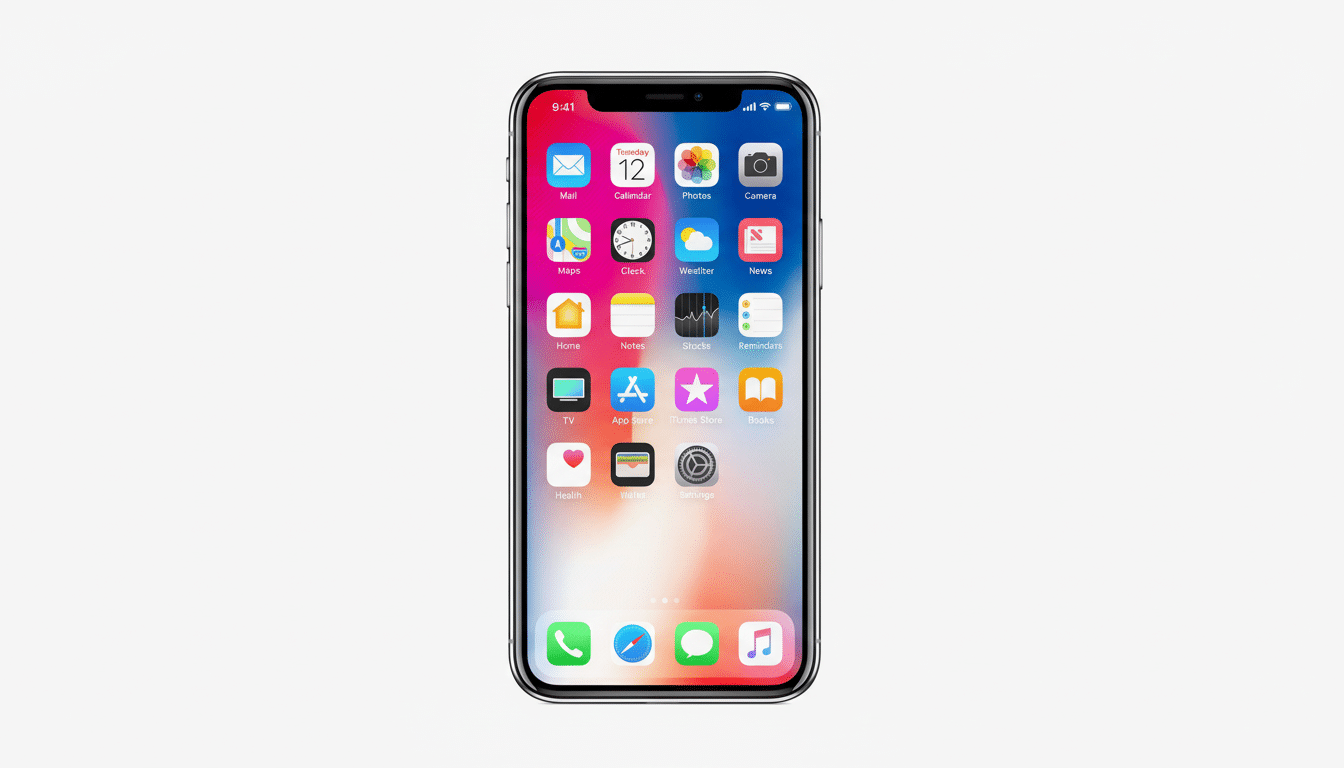
How to do it: Long-press the Home Screen, hit Edit and then Edit Wallpaper. Try a couple out, and test for good readability in light mode and dark mode. If you’re pulling color for tints, grab a neutral mid-tone from the wallpaper (not the most vibrant highlight), so icons don’t vanish against lighter surfaces.
Clear, Tinted or Dark Glass Icon Styles Explained
iOS 26 allows for slight interchanges between default and tinted glass, clear glass, and dark/light glass effects. The icons are more muted than previous versions of iOS, and working from the wallpaper, you can easily match that palette to your own. Clear icons are the most dramatic… perfect for minimalists, but they need a background with good contrast.
How to set it: Long-press the Home Screen, select Customize. Choose icon size and labels, then Default, Tinted, Clear or Auto Dark/Light. Use the eyedropper to sample your wallpaper and set opacity so icons are readable in both light and dark mode.
Match Your iPhone or Case With “Matched Icons”
Prefer a hardware-matched look? iOS 26 lets you tint icons to your iPhone’s color, or any official MagSafe case you’ve slapped the phone into. It’s a nice, understated touch tying the screen to the device without going full monochrome.
How to set it: Go into Customize, pick Tinted, and tap either the phone icon to match your device’s finish or the case icon to match an Apple MagSafe case color. Use the opacity slider to fine-tune and add more contrast.
Take Advantage of Native Liquid Glass Widgets
Most of Apple’s first‑party widgets now have the glassing as their de facto material, giving your eye something to hold onto while it scans multiple blocks of type at once.
You are all wonderful folks doing a great job.
iOS 15 Weather
Exponential second-order at‑a‑glance moments like Calendar, Weather, Battery and Fitness should scrape the back sides off every transparent performant layer so that you remember they were put there for good. For further customization, apps such as Widgetsmith, Widgy and Launcher feature designs that work with the new design language.
Pro tip: With Widgy, import a design, set transparency over a screenshot of your empty Home Screen and align on the grid for best fit.
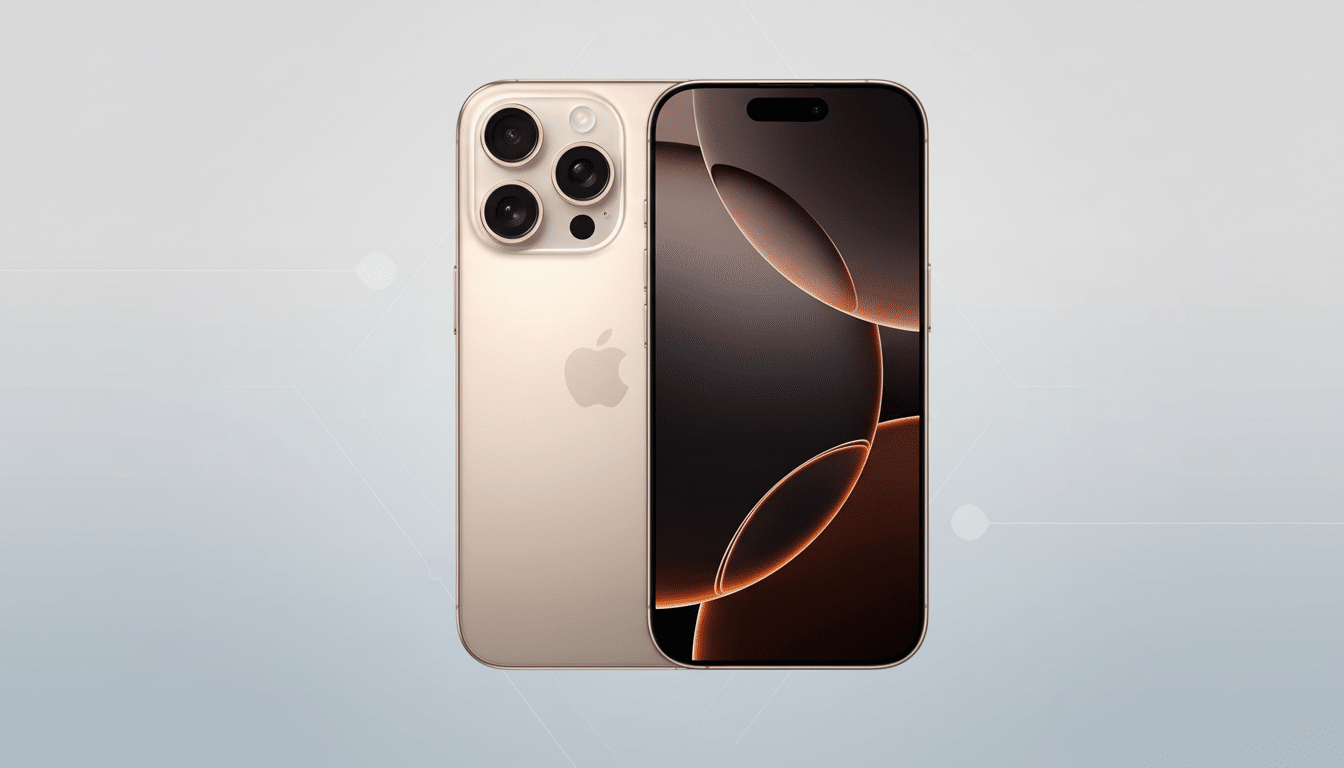
This maintains the illusory effect that widgets “float” on the same sheet of glass. In line with Apple’s Human Interface Guidelines, uniform materials and depth cues keep cognitive load low, so screens feel faster even when graphic situations are visually rich.
Control Layout: Spacing, Pages and Focus Modes
iOS is designed with free-form placement, by sectioning off a grid-like foundation you alternate wallpapers for every screen. This allows me to intentionally leave a gap and an otherwise blank space leaving room for focus of other areas. Group your day trippers on the first screen, keep second-stringers a swipe away and push anything else off into the App Library. Designate certain pages to Focus modes so that work, fitness or travel-related widgets and apps surface at the appropriate time.
How to set it: Long-press until Home Screen icons jiggle, drag icons into place and toggle page visibility via the page dots. In the Focus settings, assign a Home Screen page for each mode. This ensures that Liquid Glass designs never appear decorative, but functional.
Lock Screen Synergy With Liquid Glass Spatial Scenes
Liquid Glass even permeates down to the Lock Screen with a glassy time readout that reweights itself so as not to block your subject’s face.
Spatial Scenes turn a flat photo to have a 3D effect, all using on-device computer vision; the parallax works well when you lock then land on the coordinated Home Screen.
How to set it: Long-press the Lock Screen, tap Customize, select a photo and toggle on the Spatial Scene button. Also consider a matching Home Screen wallpaper, so the transition is intentional rather than jarring.
Accessibility, Readability and Battery Best Practices
Translucent layers can reduce contrast. If text seems too faint, experiment with Increase Contrast or Reduce Transparency in Accessibility — and keep icon labels on for very busy wallpapers. The W3C’s WCAG guidelines recommend a 4.5:1 contrast ratio for body text; consider this your baseline when choosing tints and backgrounds.
Looking for snappier performance or longer runtime on older hardware? Turn on Reduce Motion, place limits on live-updating widgets and don’t use wallpapers in constant motion. The appearance will still be Liquid Glass — just less anxious and more efficient.
The Pros and Real-World Setups for Liquid Glass Design
A device-matching, monochrome tint with clear glass widgets provides a clean, hardware-accenting look. Or choose a bright wallpaper, then apply a subtle tint with reduced opacity so icons remain visible. (After the first widget bonanza, analytics companies reported that theming apps were rocketing up the charts — now that’s what’ll change: a second wave of Liquid Glass‑capable packs from designers on social platforms and creator marketplaces.)
Easy test: lock, unlock, swipe between pages and open Control Center. If every transition is like a single pane of glass — no jarring jumps in color, no blurry text — you’ve achieved the Liquid Glass look.