


Buying the newest iPhone every year sounds expensive, and for many people, it is. The price of a new model can feel hard to justify when your current iPhone still works well.
But there is a smarter way to upgrade.
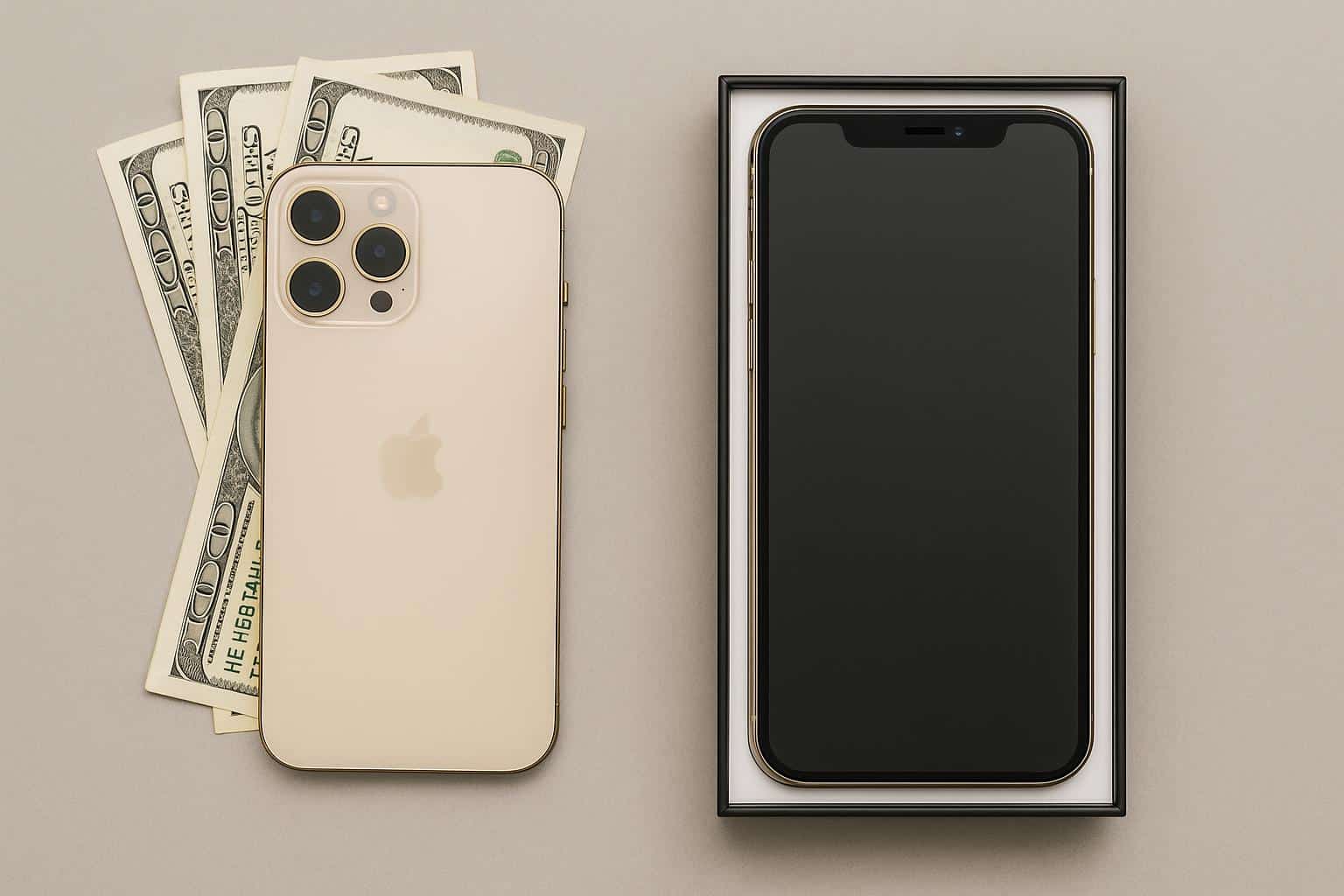
The cheapest way to get a new iPhone every year is not usually waiting until your old phone has lost most of its value. It is selling or trading in your current iPhone while it still has strong resale demand, then using that money towards the next upgrade.
Why Timing Matters So Much
Many people keep their old iPhone in a drawer after upgrading. By the time they think about selling it, the value has already dropped.
iPhones usually hold value better than many other phones, but they still lose value over time. New model releases, battery wear, storage size, cosmetic condition and buyer demand can all affect what your device is worth.
If you upgrade every year, your current iPhone may still be in good condition. That can make it more attractive to buyers or trade-in services.
The longer you leave it unused, the more value you may lose.
The Real Cost Is the Difference
Most people think about the full price of the new iPhone. A better way to look at it is the upgrade gap.
For example, if a new iPhone costs a certain amount and your current iPhone still has strong resale value, you are not really paying the full price from scratch. You are paying the difference between the new phone and the value of your old one.
That is why selling before the device gets too old can make a big difference.
This is also why people who upgrade regularly often treat their phone carefully. A clean screen, working battery, good charging port and unlocked device can all help when it is time to sell.
Selling Privately vs Using a Trade-In Service
Private selling can sometimes bring a higher price, but it usually takes more effort. You may need to take photos, write a listing, answer messages, negotiate and wait for a serious buyer.
Some buyers agree to a price and then bargain again at the last moment. Others simply stop replying.
A trade-in service can be easier if you want a quicker and more organised process. You can check the value online, send the phone in and receive payment after the device has been inspected and approved.
For Australians who want to sell iPhones online before upgrading, ReUse Mobiles offers a simple trade-in process with free Australia-wide shipping and payment within 24 hours after approval.
Keep Your iPhone in Better Resale Condition
If you know you may upgrade again next year, small habits can help protect your phone’s value.
Use a good case, avoid cheap charging cables, keep the screen protected and try not to let the battery drain heavily every day. Before selling, remove your Apple ID, turn off Find My iPhone, back up your data and factory reset the device.
Condition matters.
A phone with a cracked screen, weak battery or charging issue may still have value, but a well-kept iPhone will usually be easier to sell and may receive a stronger offer.
Should You Buy New Every Year?
Buying the latest iPhone every year is not the right choice for everyone. Some people are better off keeping a phone for two or three years, especially if it still performs well.
But if you enjoy having the newest camera, battery improvements, software features and design changes, then selling your current phone early can reduce the cost of upgrading.
Another option is buying refurbished iPhones instead of buying brand new. This can suit buyers who want Apple quality but do not want to pay full retail price. The key is to choose a tested device with clear grading, warranty support and a fair returns policy.
The Cheapest Upgrade Habit
The cheapest way to get a new iPhone every year is not about finding one magic deal. It is about building a better upgrade habit.
Sell your current iPhone while it still has value. Keep it in good condition. Compare your options before upgrading. Avoid leaving old phones unused in drawers.
A phone that no longer feels exciting to you may still be valuable to someone else.
That value can help pay for your next iPhone.