


A well-balanced gut leads to a livelier, more cheerful pet. When dogs have sensitive stomachs, even small dietary changes can cause gas, bloating, or loose stool. Many pet owners nowadays are exploring natural supplements to bring their dogs’ digestive balance back on track. Picking the right solution requires a bit of awareness about ingredients and product quality.
The journey to better digestion is easier when you understand what your dog truly needs. It also brings lasting relief when the focus stays on overall gut wellness instead of just masking symptoms. A few thoughtful changes can make your dog’s daily life far more comfortable and relaxed. Let’s explore the factors that help in the selection of right probiotics for dogs.
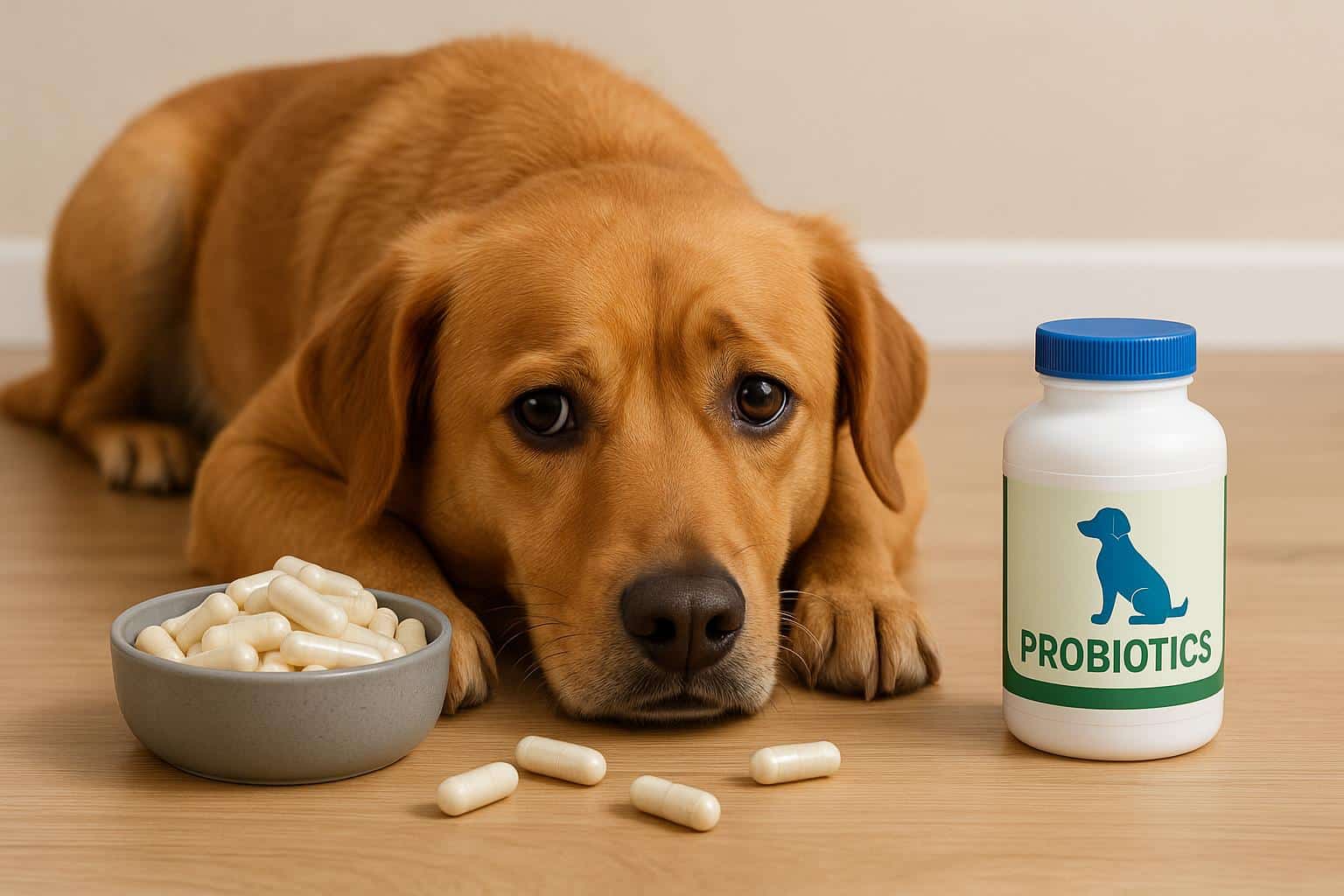
Explore Why Sensitive Stomachs Need Support
Dogs with delicate stomachs experience discomfort from stress, dietary inconsistency, or environmental triggers. Their system becomes unbalanced, and the good bacteria in their gut may struggle to perform effectively. This imbalance can lead to digestion problems and changes in appetite. By restoring beneficial bacteria, probiotics for dogs help ease this discomfort and support smoother digestion over time. The natural bacteria maintain harmony within the GI tract, which keeps waste moving comfortably through the system. Supporting their gut with the right bacteria helps them absorb nutrients more efficiently and maintain a steady appetite.
Check for Strain Diversity and Potency
Every probiotic strain plays a specific role in gut health. A high-quality supplement should contain multiple strains to cover different aspects of the digestive process. Diversity ensures that good bacteria can add balance and stability to the intestinal environment. Look for options that list bacterial strains clearly and provide details about potency measured in CFUs (colony-forming units). A well-formulated blend can make a visible difference in your dog’s stool consistency and overall mood. Some combinations help reduce bloating, while others support smoother digestion after meals. The more complete the strain profile, the greater the microbial balance your pet can achieve.
Read Ingredient Labels Carefully
Labels reveal a lot about how a product will interact with your dog’s system. Supplements with artificial flavors, fillers, or preservatives can aggravate sensitive stomachs instead of soothing them. Aim for natural ingredients that complement digestive function, such as prebiotic fibers or supportive herbs. Transparency from the manufacturer indicates confidence in quality. Always double-check for allergens that may not agree with your pet’s needs. Whole-food ingredients, simple formulas, and minimal processing usually work best for delicate systems. When a label lists recognizable, natural components, it reflects care for both safety and effectiveness.
Balance Prebiotics and Probiotics Together
Prebiotics act like food for good bacteria, helping them thrive once inside the gut. Without these natural fibers, probiotics may not perform at their best. A well-balanced formula that includes both elements supports a more resilient digestive tract. This combination helps the gut flora maintain harmony even during dietary changes. Think of prebiotics as the companion that keeps the probiotics healthy and effective. When both elements coexist, they amplify each other’s benefits to stabilize digestion faster. This approach helps prevent issues from recurring even after a temporary stomach upset resolves.
Consider Your Dog’s Age and Diet
Every dog’s digestive environment changes with age, diet, and lifestyle. Puppies develop gut strength gradually, while senior dogs may lose bacterial diversity as they grow older. Active pets sometimes require extra digestive aid due to higher metabolism and energy expenditure. Matching a probiotic to your dog’s life stage ensures the formula targets the right balance of bacteria. The size, breed, and eating habits also play a big part in how your dog reacts to supplements. Dogs that eat processed or low-fiber diets may need additional prebiotic support. In contrast, those on raw or fresh food plans may absorb certain bacterial strains more effectively.
Ensuring Product Quality and Storage
Quality control determines whether probiotics remain active when fed to your pet. Look for supplements that guarantee live cultures all the way through the expiration date. Packaging that resists moisture and extreme temperatures protects bacterial survival. Store in a cool, dry place to preserve potency. Choosing a product from producers who value safety testing and transparent sourcing protects your dog’s digestive health. When handled properly, probiotics maintain their beneficial count and deliver maximum results. Even minor storage mistakes can reduce live bacteria count and lower their effectiveness.
Finding the Right Fit for Long-Term Digestive Balance
Digestive balance depends on consistency. After selecting a probiotic that suits your dog’s needs, maintain regular use as instructed. Skipping doses weakens beneficial bacteria levels, reducing the supplement’s effect. Include fiber-rich, wholesome foods to reinforce gut resilience. Remember, gradual progress leads to long-term comfort and vitality. Monitor improvements month after month to ensure the supplement remains beneficial. Adjusting based on your dog’s response helps sustain digestive health across changing seasons and diets.
Sensitive stomachs can make daily life uncomfortable for both pets and owners. Thoughtful product selection brings balance, better energy, and peace of mind. Prioritize clean ingredients, probiotic diversity, expert recommendations, and consistent use. Each step you take supports stronger digestion and a happier companion. When you choose wisely, probiotics for dogs become a simple tool to restore comfort and confidence to your pet’s daily routine. The goal is not temporary relief but lasting balance across all systems. With careful attention and patience, your dog can return to enjoying every meal with ease.