


If you spend hours in the saddle, you’ll know that comfort is absolutely everything. Whether you’re gearing up for a big charity ride, training for a local crit, or heading out on a weekend endurance adventure, the right pair of cycling shorts can make or break your ride. Poor-quality shorts lead to discomfort, chafing, numbness, and even long-term injuries. On the other hand, a well-designed pair can help you perform better, recover faster, and enjoy the journey.
Choosing the perfect cycling clothing and apparel for long rides doesn’t have to be complicated. Below, we break down the key features to look for, common mistakes to avoid, and tips to help you find your ideal fit.
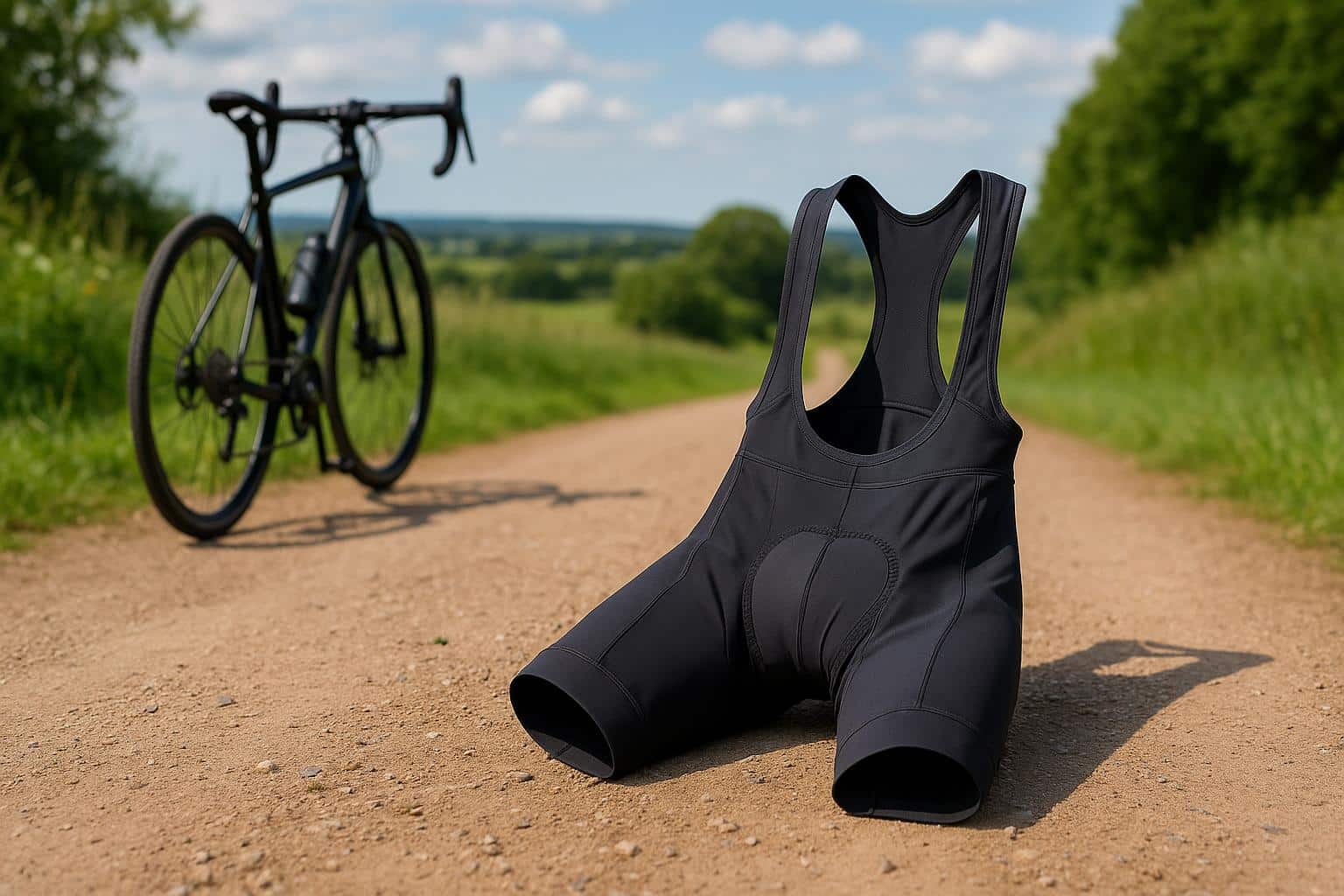
Prioritise the Right Chamois (Padding)
The chamois is the single most important component of cycling shorts when riding long distances. A good chamois will reduce friction, cushion your sit bones, and wick away moisture.
What to look for:
- Multi-density foam: Thicker padding isn’t always better; you want strategic density that supports the parts of your body that bear the most pressure.
- Anatomical shaping: Men’s and women’s chamois designs differ for good reason. Choose a gender-specific or anatomically-aligned option.
- Seamless construction: Seams create friction, so a smooth, moulded chamois is ideal.
- Ventilation channels: For long, hot Aussie summer rides, breathability is crucial.
If you’ve experienced discomfort in the past, it’s often due to a poor-quality or ill-fitting chamois rather than a lack of fitness. Don’t skimp here.
Choose the Right Fabric and Compression Level
Cycling shorts need to feel snug but not restrictive. The fabric should offer compression to support your muscles without cutting off circulation.
Consider:
- High-quality Lycra or elastane blends: These fabrics move with your body and retain their shape.
- Compression rating: Gentle compression reduces muscle fatigue during long rides and can improve overall performance.
- Moisture-wicking properties: Good shorts pull sweat away from your skin, helping prevent chafing and rashes.
- UV protection: Many premium fabrics offer sun protection, which is particularly beneficial in Australia.
The better the fabric quality, the longer your shorts will last and the more comfortable they’ll feel during extended hours on the road.
Decide Between Bib Shorts and Waist Shorts
When it comes to long-distance cycling, bib shorts are usually the preferred choice. They include shoulder straps that keep the shorts in place and reduce pressure on the waist.
Bib shorts advantages:
- No waistband digging in when you bend forward
- Better overall stability
- More even pressure distribution
- Less chance of the shorts sliding down or bunching
Waist shorts advantages:
- Easier to take on and off (handy for quick bathroom stops)
- Usually cheaper
- Preferred by riders who don’t like the feel of straps
For rides longer than two hours, bib shorts almost always provide superior comfort, especially on rough Aussie roads or long climbs.
Pay Attention to the Leg Grippers
Leg grippers keep your shorts in place and stop the legs from riding up as you pedal.
Features to look for:
- Wide silicone grippers: Wider bands reduce pressure and avoid that “sausage-leg” look.
- Soft materials: Harsh elastic can irritate your skin.
- Secure hold: You want the shorts to stay put without feeling tight.
A well-designed gripper should feel firm yet comfortable, allowing your legs to move freely while maintaining a sleek silhouette.
Get the Right Fit
Fit varies significantly between brands, so don’t assume your usual size will match every pair.
Tips for a proper fit:
- The shorts should feel snug when standing but perfect when in a riding position.
- There should be no wrinkles or loose fabric around the chamois.
- Compression panels should support your muscles rather than squeeze them.
- The straps on bib shorts should lie flat and feel comfortable, not tight.
If buying online, check the brand’s size guide and reviews from other Aussie riders, who are more likely to reference climate-specific usage such as heat and humidity.
Consider Your Riding Style and Terrain
Different types of riding place different demands on your shorts.
- Endurance road cycling: Prioritise a premium chamois and breathable fabrics.
- Gravel or adventure riding: Look for durable materials and a slightly more robust chamois.
- Commuting: A mid-range pair with decent moisture control may be enough.
Be honest about how long you typically ride. If most of your rides are three hours or more, investing in a top-tier pair is absolutely worth it.
Avoid Common Mistakes
Even seasoned riders occasionally make errors when choosing cycling shorts.
Common pitfalls:
- Choosing based solely on price
- Wearing underwear under cycling shorts (a big no-no!)
- Ignoring the straps on bib shorts until too late
- Keeping old shorts long past their lifespan
- Assuming thicker padding equals more comfort
When in doubt, choose comfort and quality over aesthetics.
Final Thoughts
Finding the perfect cycling shorts for long rides comes down to understanding your body, your riding style, and the conditions you ride in. Prioritise a high-quality chamois, breathable fabrics, and a secure fit. If you regularly tackle longer distances or train in warm Australian weather, investing in a premium pair of bib shorts will make a noticeable difference in your comfort and performance.
Comfort isn’t a luxury, it’s a crucial part of riding better, longer, and happier. With the right pair of cycling shorts, every long ride becomes something to look forward to.