


Facility design goes beyond choosing colors and furniture. Every detail, from layout to lighting, shapes how people interact with a space. Thoughtful design supports comfort, efficiency, and satisfaction for both customers and employees. It affects perceptions, moods, and even productivity. Businesses that pay attention to these details create environments that feel welcoming, functional, and professionally maintained without needing massive investments.
Why facility design matters for businesses
Customers often make judgments in the first few moments of entering a property. The quality and organization of a facility communicate brand values and professionalism instantly. A cluttered or poorly lit environment can create stress or confusion, while a well-planned space fosters confidence and trust.
- Why facility design matters for businesses
- Understanding the needs of customers
- Supporting employee performance through design
- Design choices that make a difference
- Accessibility and inclusivity in facility design
- Balancing aesthetics with function
- Designing for safety and cleanliness
- Cost-effective design strategies
- Measuring design success
- Case examples of good facility design
- Conclusion
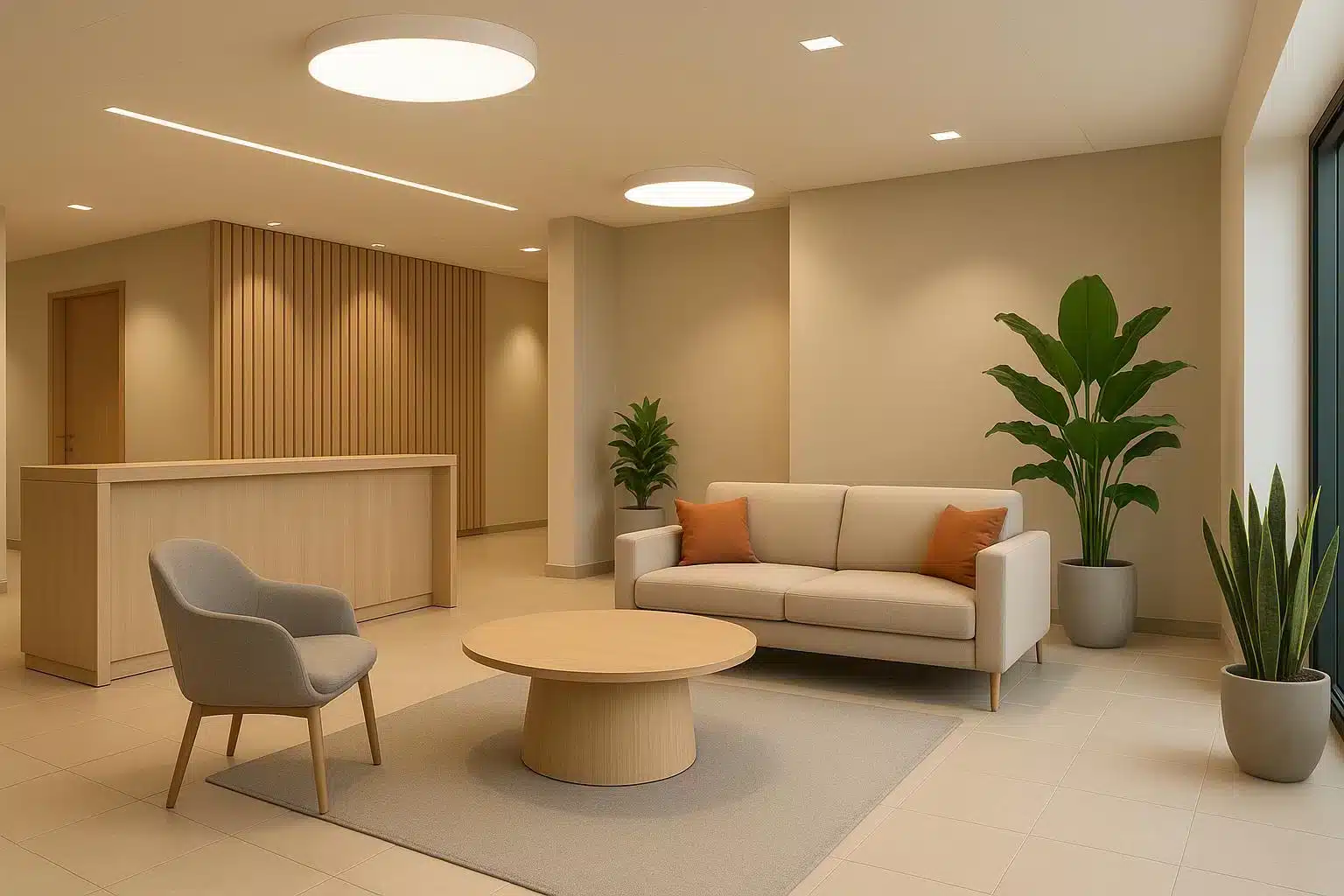
Employees also feel the impact of facility design every day. An awkward layout or lack of supportive spaces increases fatigue and slows workflow. Thoughtful design improves task efficiency, reduces frustration, and enhances morale. Together, these factors influence repeat business, customer loyalty, and staff retention.
Understanding the needs of customers
Customers interact with multiple parts of a facility, and every touchpoint contributes to their overall experience. Entrances, seating areas, and hallways shape first impressions, while restrooms, waiting areas, and dining spaces affect comfort and convenience.
Clear wayfinding, intuitive layouts, and comfortable seating reduce stress and help customers navigate spaces effortlessly. Even small details, such as thoughtful signage, non-slip floors, and strategically placed seating, enhance satisfaction. When visitors feel considered and supported, their perception of the business improves significantly.
Supporting employee performance through design
Employees spend hours navigating workspaces and performing repetitive tasks. Layout decisions directly affect how easily staff can move between stations, access supplies, and interact with customers. Poorly designed spaces increase unnecessary movement, cause bottlenecks, and contribute to fatigue.
Thoughtful facility design anticipates workflow and organizes areas to reduce wasted time. Break rooms, storage areas, and workstations placed strategically improve efficiency while boosting morale. A comfortable, well-planned workspace signals that employee well-being is valued, which strengthens engagement and productivity.
Design choices that make a difference
Lighting, acoustics, materials, and finishes shape both perception and comfort. Bright, even lighting makes spaces feel safer and more inviting, while softer, adjustable lighting supports relaxation in dining or waiting areas. Good acoustics reduce noise-related stress, improving both customer experience and employee focus.
Durable, low-maintenance materials save money and effort while keeping spaces looking polished. Choosing finishes that handle high traffic without frequent repairs allows staff to focus on their work rather than constant upkeep. Thoughtful design balances aesthetics with practical needs, creating spaces that are pleasant to use and easy to maintain.
Accessibility and inclusivity in facility design
Accessible and inclusive design is essential for creating spaces that welcome everyone. Wide doorways, ramps, adjustable furniture, and clear signage ensure that customers and employees with diverse needs can move freely and safely.
Inclusive design benefits the business as well. Patrons appreciate facilities that feel considerate and accommodating, while employees benefit from reduced barriers to completing their tasks. Beyond legal compliance, prioritizing accessibility reflects positively on a brand and enhances overall reputation.
Balancing aesthetics with function
Spaces that look beautiful but function poorly create frustration and inefficiency. Balancing appearance with usability ensures that customers enjoy the environment without inconvenience, and employees can perform tasks effectively.
For example, a visually striking layout is ineffective if it obstructs movement or limits seating. Thoughtful furniture placement, traffic flow planning, and spatial organization maintain aesthetic appeal while supporting real-world use. This balance reduces complaints and enhances satisfaction for everyone using the facility.
Designing for safety and cleanliness
Safety and cleanliness are foundational to a positive experience. Thoughtful layouts reduce hazards by minimizing congestion, ensuring visibility, and providing clear exit paths. Materials that resist staining, absorb minimal moisture, or clean easily reduce ongoing maintenance and improve hygiene.
Restrooms are often a focal point for customer perception, and upgrades here can be subtle but powerful. Solutions like One Point Partition restroom stalls improve privacy, durability, and maintenance efficiency, creating a better experience for both guests and staff without major renovations.
Cost-effective design strategies
Improving a facility does not require a full remodel. Phased updates allow businesses to make incremental changes over time, spreading costs while still creating noticeable improvements. Prioritizing high-use or highly visible areas maximizes the impact of limited budgets.
Selecting durable yet affordable materials and finishes reduces ongoing costs. Modular furniture, versatile lighting, and multi-purpose spaces provide flexibility for future updates. These strategies deliver both immediate benefits and lasting value.
Measuring design success
The effectiveness of design improvements can be tracked through both quantitative and qualitative metrics. Customer surveys, online reviews, and repeat-visit rates provide insight into customer satisfaction. Employee feedback, workflow efficiency, and reduced fatigue indicate how design affects staff performance.
Operational metrics, such as cleaning time, repair frequency, and utility costs, reveal whether material and layout choices are performing as expected. Tracking these indicators over time supports informed decisions for future upgrades.
Case examples of good facility design
Consider a restaurant that reorganized seating to create better flow between the dining area and service stations. Patrons moved more comfortably, staff wasted less time navigating tight corners, and overall satisfaction increased.
A hotel lobby that introduced intuitive signage, improved lighting, and comfortable waiting areas created a stronger first impression for guests. These changes required minimal structural work but produced measurable improvements in guest perception and operational efficiency.
Even small restroom upgrades, like replacing partitions or fixtures with durable, easy-to-clean options, can improve hygiene, privacy, and maintenance efficiency, creating a noticeable difference in both customer and staff experience.
Conclusion
Thoughtful facility design shapes the experience for everyone using a space. Customers feel more comfortable, confident, and satisfied, while employees work more efficiently and with less fatigue. By focusing on usability, durability, accessibility, and aesthetics, businesses create environments that support satisfaction, loyalty, and operational efficiency without requiring large-scale investment. Small, strategic improvements deliver real results and help properties maintain a competitive edge.