


Recovery from methamphetamine addiction involves much more than stopping drug use. Many people continue facing emotional challenges, unhealthy habits, and situations that contributed to substance use long before treatment began. Therapy creates opportunities to explore these underlying issues while developing healthier ways to respond to life’s challenges. As recovery progresses, people gain practical skills that support emotional healing, stronger relationships, and greater confidence. This article explains how therapy supports methamphetamine recovery by strengthening thought patterns, emotional well-being, coping skills, relationships, and long-term mental wellness.
Thought Patterns That Support Recovery
Methamphetamine addiction can influence the way people think about themselves, their future, and their ability to overcome challenges. Negative self-talk, hopelessness, or impulsive decision-making may continue even after substance use has stopped, making recovery feel more difficult than expected.
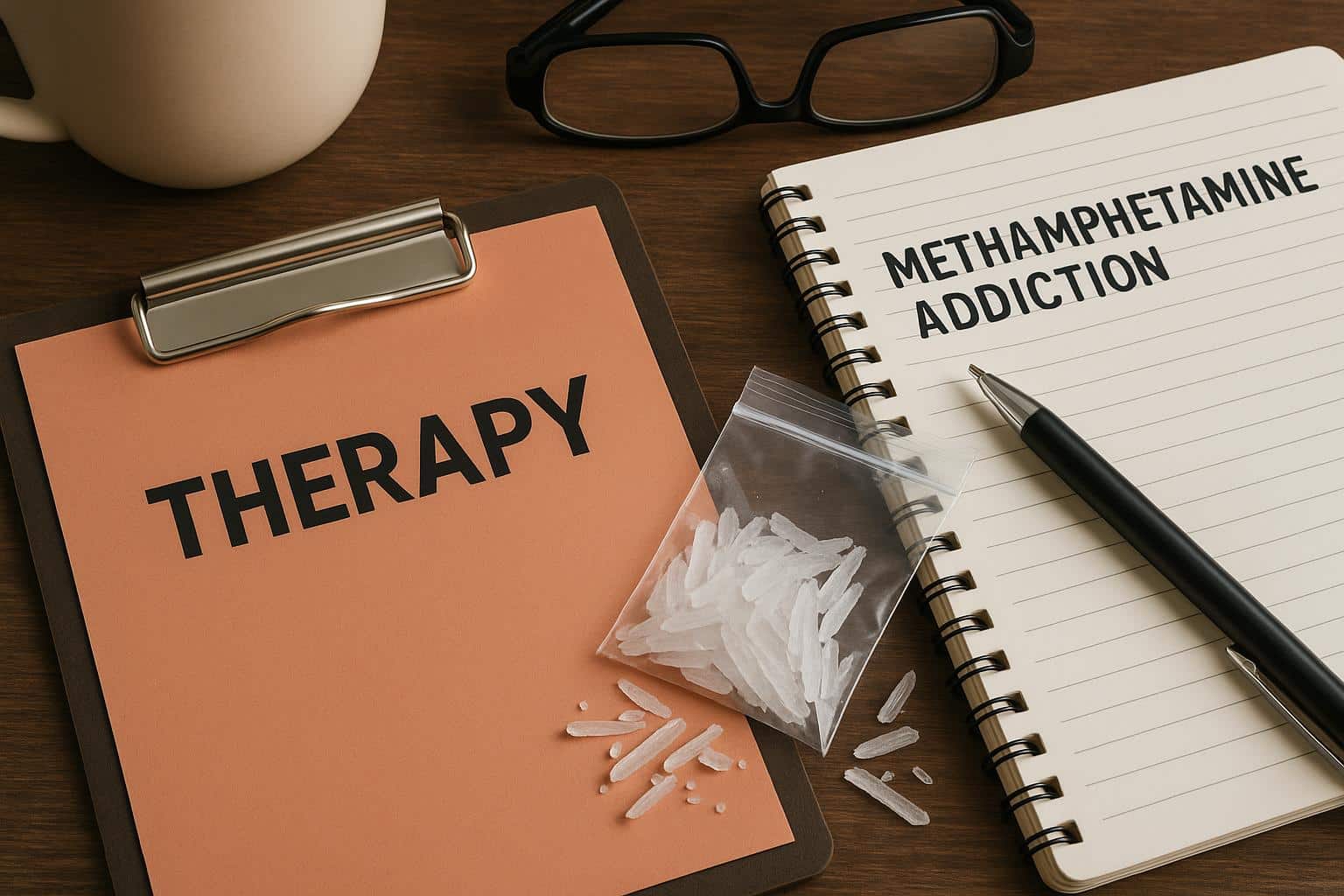
Treatment providers such as Warsaw Recovery recognize that therapy helps people identify these unhelpful thought patterns and gradually replace them with healthier perspectives. As thinking becomes more balanced, it becomes easier to make positive decisions, solve problems effectively, and stay focused on long-term recovery goals.
Managing Emotions
Many people turn to methamphetamine as a way to escape difficult emotions such as stress, sadness, anxiety, or frustration. During recovery, these emotions may return with greater intensity because they have not yet been addressed in healthy ways.
Therapy provides a safe environment to recognize emotional triggers, understand emotional responses, and practice healthier ways to manage them. Instead of avoiding uncomfortable feelings, people learn strategies that help them respond calmly and build greater emotional resilience over time.
Building Healthy Coping Skills
Recovery becomes stronger when people have practical alternatives to substance use during stressful situations. Therapy introduces coping skills that can be applied throughout everyday life instead of relying on methamphetamine for temporary relief.
These skills may include:
- Managing stress through healthy techniques.
- Recognizing personal triggers.
- Practicing mindfulness and relaxation.
- Improving problem-solving abilities.
- Developing healthier daily routines.
- Building confidence through achievable goals.
- Responding positively after setbacks.
- Seeking support when challenges arise.
Regular practice helps these coping strategies become natural parts of daily life, making future challenges easier to manage.
Strengthening Relationships
Addiction can affect trust, communication, and relationships with family members, friends, and coworkers. Recovery creates opportunities to rebuild these important connections through healthier communication and greater emotional awareness.
Therapy helps people express thoughts more openly, listen more effectively, and respond with patience during difficult conversations. As relationships begin to improve, supportive family members and friends can become valuable sources of encouragement throughout the recovery journey.
Long-Term Emotional Wellness
Recovery continues long after formal treatment ends. Maintaining emotional wellness requires consistent habits, ongoing self-awareness, and healthy support systems that continue encouraging positive growth.
Programs offered through rehab centers like Warsaw Recovery reflect the importance of preparing people for life beyond treatment by helping them strengthen emotional resilience, maintain healthy routines, and continue applying the skills learned during therapy. These long-term strategies help support meaningful progress while reducing the likelihood of returning to substance use.
Therapy plays an essential role in methamphetamine recovery because it addresses the emotional and behavioral patterns that contribute to addiction, not simply the substance itself. Healthier thinking, emotional regulation, practical coping skills, and stronger relationships all help create a solid foundation for lasting recovery. As these skills continue developing through practice and support, people become better prepared to face life’s challenges with confidence, resilience, and a renewed sense of purpose.