


Music creation has traditionally required years of training, access to instruments and a deep understanding of melody and rhythm. Today, technology is reshaping that process in exciting ways. One of the most interesting developments is Text to Song technology, which allows written words to be transformed into complete musical compositions using artificial intelligence.
This approach is not about replacing musicians. Instead, it opens creative doors for people who may have ideas, lyrics or stories but lack formal musical skills. By combining natural language processing and sound generation, text-to-song tools are redefining how music begins.
What Is Text to Song?
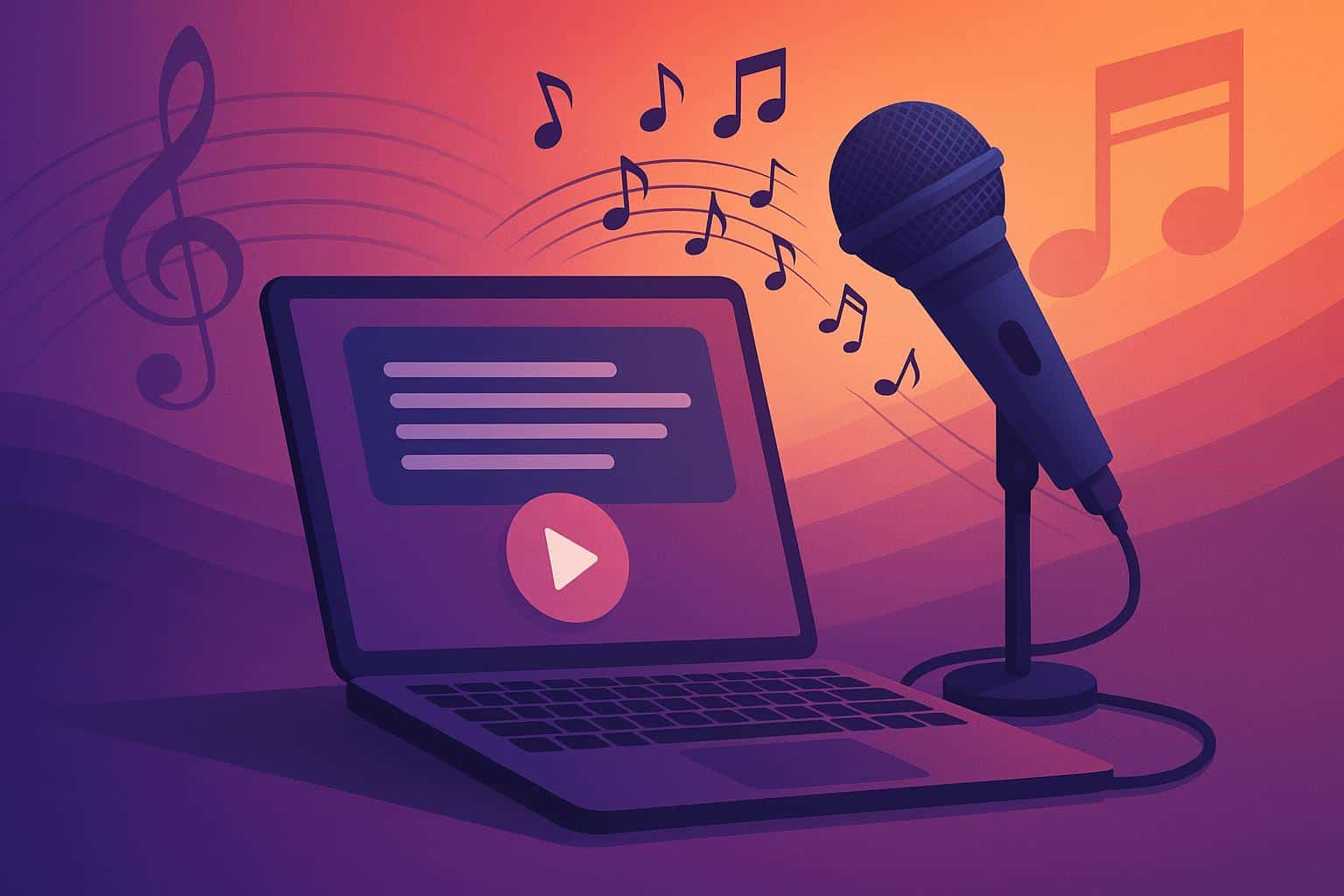
Text to song systems use AI models trained on large datasets of lyrics, melodies, harmonies and vocal patterns. When a user inputs text such as a poem, short paragraph or even a single sentence the system analyzes tone, rhythm and emotional cues. It then generates a song that matches the mood and structure of the text.
Some tools focus on instrumental output, while others generate full songs with vocals. Users can often choose styles like pop, rock, classical or ambient, allowing the same text to sound completely different depending on the chosen genre.
Why This Technology Matters
The most important impact of text-to-song tools is accessibility. Songwriting is no longer limited to professional composers or studio musicians. Writers, educators, content creators and hobbyists can experiment with musical storytelling without expensive equipment.
This technology is also useful for:
- Turning poems into expressive audio pieces
- Creating background music for videos or podcasts
- Exploring how words emotionally translate into sound
- Rapid prototyping for professional musicians
Instead of spending hours composing, users can test multiple musical interpretations of the same text in minutes.
Creative Control and Limitations
While AI-generated music is impressive, it still has limits. Human musicians bring personal experiences, cultural context and subtle emotion that machines struggle to replicate fully. Text-to-song tools work best as creative partners rather than complete replacements.
Many platforms now allow edits after generation, such as adjusting tempo, changing instruments or refining vocals. This balance between automation and control helps users stay involved in the creative process.
The Future of Text-Driven Music
As AI models continue to improve, text-to-song systems will become more expressive and customizable. We may see deeper emotional understanding, multilingual lyric handling and smoother vocal realism. For now, these tools serve as a bridge between language and music transforming ideas into sound faster than ever before.
In the evolving world of digital creativity, text-to-song technology represents a shift toward more inclusive and experimental music creation where words are no longer limited to the page, but can sing on their own.